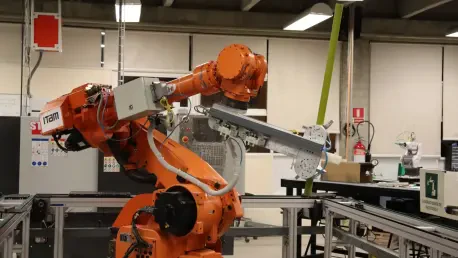

Industry 4.0 technologies have inadvertently expanded the attack surface for manufacturers by creating a complex intersection between information technology and physical operational systems. The current landscape has shifted from basic automation to the deployment of agentic artificial

To prevent motion sickness in augmented reality headsets, edge nodes must handle video decoding locally to achieve the sub-twenty-millisecond latency required for precise manual assembly guidance. This shift toward localized processing marks a fundamental departure from the cloud-centric models

Secondary aluminum production is set to reach 15 million tonnes by 2027 as China leverages decades of accumulated metal stock in infrastructure and vehicles to reduce primary smelting demand. This shift represents a fundamental realignment of industrial priorities, moving away from a reliance on

The global automotive manufacturing landscape has undergone a radical transformation as traditional mechanical maintenance schedules give way to high-precision algorithmic forecasting and real-time data analytics. When one of the world's largest automotive groups sought to eliminate the massive
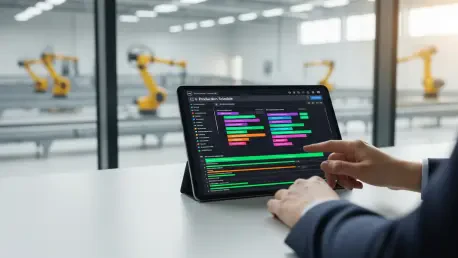
The manufacturing landscape is currently undergoing a profound transformation as the industry moves away from the persistent fear that artificial intelligence will eventually replace the human workforce. Instead, a more pragmatic perspective has emerged that views advanced computing as a powerful
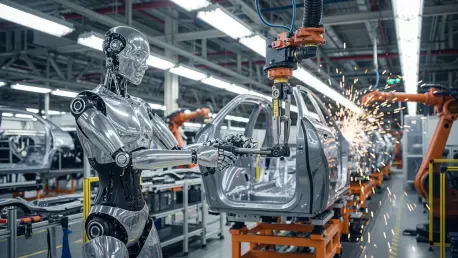
The traditional automotive assembly line remains one of the most demanding environments on the planet, where every second of downtime translates into thousands of dollars in lost revenue for major manufacturers. While the industry has spent decades perfecting the use of stationary robotic arms and