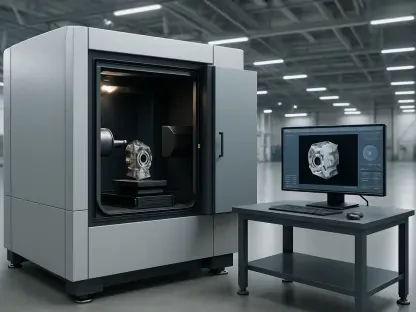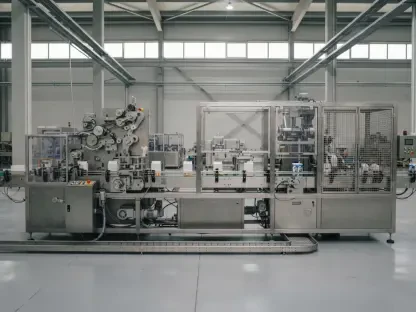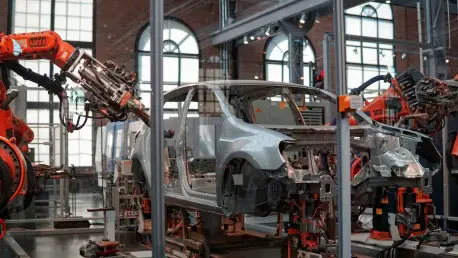

Engineers used digital twins and virtual reality simulations to optimize the Woodruff plant’s layout and train staff before physical construction was even finished. The completion of the battery assembly facility in Woodruff represents the culmination of a $1.7 billion investment designed to reshape how the automaker approaches the North American market. By integrating digital-first planning methods, the company successfully compressed the timeline between groundbreaking and active series production. This facility serves as the fourth global node for the brand’s sixth-generation battery technology, joining established operations in Europe and Asia to create a unified global production standard. Located fifteen miles from the Spartanburg vehicle assembly hub, this new plant is not merely a supplier but a vital organ in a sophisticated manufacturing body. It stands as a testament to the shift away from internal combustion toward a future defined by high-performance electric mobility, providing the necessary scale to support the production of six fully electric models by 2030.
The Strategy: Strengthening Regional Supply Chains
The logic behind the Woodruff site is rooted in a local-for-local philosophy that prioritizes geographical proximity to minimize the environmental and financial costs of logistics. By assembling high-voltage batteries within the same region where the vehicles are built, the company reduces reliance on long-distance maritime shipping and mitigates the risks associated with global supply chain disruptions. This proximity allows for a synchronized production schedule where battery packs are delivered to the vehicle assembly line with precision timing. Such a configuration is essential for maintaining the high throughput of the Spartanburg plant, which remains the company’s largest manufacturing site worldwide. Beyond simple efficiency, this strategy fosters a self-contained industrial ecosystem in South Carolina, ensuring that the critical components of electric vehicles are sourced and assembled within the United States. This move strengthens the regional manufacturing base and provides a blueprint for future expansions.
Central to this manufacturing expansion is the introduction of the BMW iX5, which stands as a monumental achievement for the brand’s American operations. As the first fully electric iteration of the popular X5 SUV, this vehicle is the inaugural electric model to be manufactured entirely within the United States. It utilizes a robust 141-kWh battery pack assembled at the Woodruff site, specifically engineered to meet the high range and performance expectations of the North American luxury consumer. The iX5 is not just a powertrain conversion but a holistic integration of advanced chassis technology and the latest suite of driver assistance systems. By producing this flagship SUV locally, the automaker demonstrates its commitment to tailoring electric products to specific market needs while maintaining global quality standards. This specific production line serves as a pilot for the broader electrification of the X-model lineup, proving that high-performance electric SUVs can be manufactured efficiently using domestic labor and technology.
Engineering Excellence: Revolutionizing Battery Architecture
The transition to sixth-generation battery technology marks a significant departure from previous modular designs, favoring a cell-to-pack architecture. In this streamlined approach, the traditional step of assembling individual cells into intermediate modules is bypassed in favor of integrating cylindrical cells directly into the battery housing. These specific 46120 format cells, sourced from local partners, allow for much higher volumetric efficiency, meaning more energy can be stored within the same physical footprint. This design choice directly translates to longer driving ranges for the end user without increasing the total weight of the vehicle excessively. Furthermore, the assembly process utilizes high-precision laser cleaning and advanced welding techniques to ensure optimal electrical connectivity and thermal stability. The integration of specialized cooling systems and a protective foaming process provides the mechanical integrity needed to withstand the rigors of daily driving while ensuring that thermal management remains efficient across a wide range of climates.
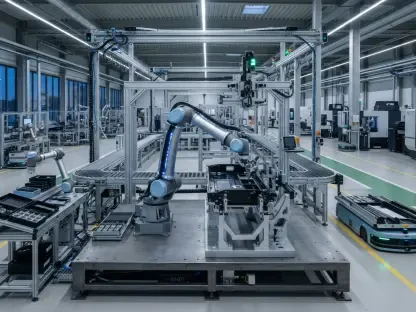
Operating at the cutting edge of Industry 4.0, the Woodruff facility employs a sophisticated blend of human expertise and automated precision. Over 300 skilled personnel work alongside 250 highly specialized robots to maintain a production rhythm that is both fast and remarkably accurate. This workforce is supported by a network of artificial intelligence assistants that monitor production data in real time, detecting even the slightest deviations from quality standards before they become issues. These AI agents perform predictive maintenance on assembly equipment, identifying potential mechanical failures before they occur to ensure uninterrupted operations. This high level of automation does not replace human workers but rather empowers them to focus on complex oversight and quality control tasks. By utilizing these smart manufacturing tools, the plant achieves a level of consistency that was previously unattainable, setting a new benchmark for how high-tech battery facilities operate. This technological synergy is a key driver in the company’s ability to scale.
Future Roadmap: Scaling Domestic High-Tech Mobility
Sustainability remains a core pillar of the sixth-generation battery project, extending from the raw materials used in the cells to the energy consumed during assembly. These new batteries incorporate a significantly higher percentage of secondary materials, such as recycled cobalt, lithium, and nickel, which reduces the demand for virgin mining and promotes a circular economy. The manufacturing process itself is powered by renewable energy sources, contributing to a substantial 28% reduction in the carbon-equivalent footprint per watt-hour compared to the fifth-generation batteries used in earlier models. Even the day-to-day operations at the Woodruff site reflect this environmental commitment, as the facility avoids the use of fossil fuels and utilizes a fleet of hydrogen-powered industrial trucks for internal logistics. This holistic approach ensures that the shift to electric mobility does not simply move emissions from the tailpipe to the factory, but rather addresses the total lifecycle impact of the vehicle by prioritizing green production.
The establishment of the Woodruff plant successfully bridged the gap between traditional automotive manufacturing and the future of sustainable, tech-driven mobility. This $1.7 billion investment effectively created a specialized industrial cluster for battery technology in the Southeastern United States, reinforcing the regional economy through high-tech job creation and partnerships with local suppliers like AESC. Looking ahead, the focus must now shift toward scaling this domestic supply chain to accommodate the upcoming Neue Klasse vehicles and the six electric X models planned for the end of the decade. Stakeholders should monitor how these manufacturing efficiencies translate into broader market accessibility for luxury electric SUVs. The successful integration of digital twins and AI-driven production at this site provided a definitive roadmap for other global facilities to follow. By securing a domestic battery supply, the company ensured its long-term competitiveness in the shifting global landscape.