
Flexibility has become a non-negotiable requirement for modern packaging machines, which must switch between different formats and materials with minimal downtime. The Interpack China 2026 exhibition in Shanghai acts as a vital indicator of this global shift, showcasing how machinery innovation is now driven by the dual goals of automation and energy efficiency. As manufacturers navigate a landscape defined by volatile market pressures and evolving consumer expectations, the equipment on display reflects a broader transition toward intelligent production ecosystems. This movement is not merely about increasing speed but about reconciling the demand for high-volume output with the absolute necessity of reducing operational costs and minimizing environmental impact. For global brands, the priority is clear: they must adopt systems that are as resource-conscious as they are productive. This alignment of technology and sustainability ensures that the packaging industry remains resilient and responsive in an increasingly complex world.
Enhancing Efficiency Through Modular Equipment Designs
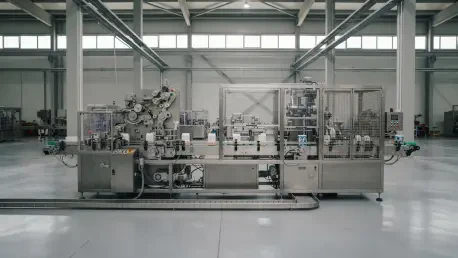
Somic Packaging stands at the center of this technological transformation, presenting a diverse portfolio designed to address varying levels of production complexity. Their engineering philosophy emphasizes modularity and reliability, particularly within the cartoning process. A standout example is the Somic 202 machine, which is specifically engineered for a compact footprint. This design is ideal for manufacturers who require a durable, space-efficient solution for packing pre-packaged items into single-part cardboard units. Perhaps more importantly, the machine utilizes platform-independent control technology. This choice ensures that operators can maintain high levels of reliability without being locked into proprietary, inflexible software systems that often hinder long-term growth. By removing these digital barriers, the industry is moving toward a more open and adaptable architecture, allowing for easier integration of new components and secondary equipment as production needs change.
Building on this modular foundation, the Somic 323 offers a more versatile approach for high-demand environments where space-saving arrangements for shipping and display cartons are paramount. This machine allows for the grouping of products into a wide range of formats, including trays, wraparound cartons, and lid-and-tray combinations. Such versatility directly supports the rise of shelf-ready retail solutions, where the packaging must transition seamlessly from transport to the store shelf. For even more demanding industrial settings, the 434 model provides maximum precision across sectors like healthcare, cosmetics, and food. These machines are built to handle high-speed requirements without sacrificing the delicate touch needed for premium consumer goods. The emphasis here is on precision engineering that reduces material waste and protects product integrity, which is essential for brands looking to maintain a high-quality image while operating at a large industrial scale.
Advancing Sustainable Printing and Molding Techniques
The partnership between Bobst and Rolls Technology illustrates the massive scale of investment currently directed toward high-speed, high-end production in the flexible packaging market. The expansion of manufacturing facilities, such as the Huai’an Economic and Technological Development Zone site, demonstrates a commitment to achieving massive annual capacities while maintaining technical sophistication. Bobst’s expertise in gravure and flexo printing is exemplified by the RS 3.0 Plus press, which supports both water-based and solvent-based inks. This capability is vital for manufacturers aiming to utilize eco-friendly substrates, aligning their operations with the global transition toward a low-carbon economy. Furthermore, the Vision CI flexo press, featuring the smartGPS system, automates the setup and changeover process. This automation significantly reduces material waste during the initial stages of production and ensures repeatable consistency, which is a key requirement for brands that demand perfection in every package.
In the realm of injection molding, the focus on clean production has led to the development of all-electric machines like Tederic’s NEO·E350II Pac. This technology addresses the specific hygiene and energy conservation requirements of the food packaging sector, where contamination risks must be eliminated. The machine utilizes high-speed injection and ultra-precise control mechanisms to handle thin-wall and deep-cavity containers, which are traditionally difficult to produce with high efficiency. Tederic has tailored these solutions to meet specific regional consumer trends, such as the overwhelming demand for high-quality beverage containers in Asian markets. For instance, their specialized six-cavity in-mold labeling solutions for polypropylene cups demonstrate how machinery can maintain a steady production cycle while achieving the high aesthetic standards required for consumer-facing goods. This focus on specialized, energy-efficient molding ensures that manufacturers can meet high-volume demands.
Integrating Digital Tools for Future Resilience
Beyond the physical hardware, the industry is embracing digital services to ensure production stability and minimize costly interruptions. The introduction of platforms like Somic Eagle and Somic Connect signals a shift where mechanical excellence must be supported by real-time diagnostic capabilities. These tools provide manufacturers with a pathway for fast fault diagnosis and efficient problem-solving, which is critical in an era where even an hour of downtime can lead to significant financial losses. By providing deep insights into machine performance and predictive maintenance needs, these digital ecosystems allow brands to move from reactive repairs to proactive management. This level of oversight is becoming a standard expectation for high-end industrial operations, as it protects the bottom line and ensures that production schedules remain on track. The integration of such software confirms that the future of packaging lies in a symbiotic relationship between design and data.
The advancements observed across the industry establish a clear roadmap for organizations seeking to remain competitive in a rapidly evolving marketplace. Decision-makers are prioritizing the integration of all-electric drives and automated controls, which effectively lowers the carbon footprint of production while enhancing precision. The reliance on digital diagnostic tools has moved from being an optional luxury to a core operational strategy, ensuring that machines remain functional for longer periods without manual intervention. Forward-thinking companies recognize that flexibility is the primary driver of resilience, allowing them to pivot between sustainable materials and diverse packaging formats as consumer preferences shift. To maintain this momentum, businesses are adopting a strategy of continuous software updates and modular hardware investments. By focusing on data-driven decision-making and resource efficiency, manufacturers successfully balance the need for speed with the growing mandate for environmental responsibility.