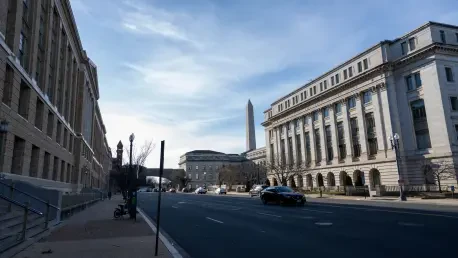

The transition to a robotic transit economy remains stalled as the District grapples with record-high unemployment rates and economic anxiety among drivers. The legislative effort to integrate autonomous vehicles (AVs) into the transportation infrastructure of Washington, D.C., hit a significant roadblock this week, marking a pivotal moment in the District’s long-standing debate over the future of mobility. The deadlock occurred within the transportation committee, a result Council Chair Phil Mendelson labeled as embarrassing given that the Council has been studying the implications of autonomous technology for over a decade. Proponents of the bill, including its primary architect Councilmember Charles Allen, framed the push for legalization as a necessary response to a mounting public safety crisis. With 37 traffic fatalities recorded in the District so far this year, advocates argue that removing human error is a moral and practical imperative that the city can no longer afford to ignore or delay.
Labor Influence: Economic Displacement and Local Concerns
Addressing the Fears: The Voice of the Workforce
Jaime Contreras, the executive vice president of a local service workers union, emerged as a vocal critic of the legislation, representing thousands of taxi and rideshare drivers who view the introduction of “robots” as an existential threat. The consensus among these labor advocates was that a sudden influx of automated transit would decimate the remaining stable jobs in the transportation sector. These drivers have already weathered significant shifts in the market, and the prospect of total automation represented a final blow to their livelihoods. Contreras emphasized that the human element of the transit economy provides a necessary safety net for families across the District. This opposition was not merely a rejection of technology but a survival strategy for a workforce already battered by shifting economic tides. For these workers, the steering wheel represents more than just a tool; it is the primary boundary between financial stability and the looming threat of poverty.
Evaluating Trends: The Erosion of the Middle Class
The broader economic context of the District played a decisive role in the legislative stalemate during these high-stakes committee discussions. With unemployment rates reaching record highs and the middle class facing increasing pressure from automation across various sectors, the Council faced immense pressure to prioritize job security over technological innovation. Labor groups argued that the District’s economy was not yet prepared to absorb the shock of mass displacement that autonomous fleets might cause. This perspective was bolstered by national trends where skepticism toward artificial intelligence has intensified among working-class communities. The fear was that once the infrastructure for self-driving cars was established, there would be no turning back, leading to a permanent erosion of the taxi and rideshare industries. This economic anxiety turned the AV bill into a litmus test for how the city government would protect residents against corporate-driven automation.
Improving Communication: Stakeholder Engagement and Trust
Breaking the Silence: Inclusion in the Legislative Process
A significant factor in the bill’s downfall was the perceived lack of transparency and inclusion throughout the drafting process. Union leaders and local labor representatives claimed they were essentially shut out of discussions until the final stages of the legislative cycle. According to these groups, key details of the proposed regulations were only discovered through informal channels and industry gossip rather than through proactive outreach from the D.C. Council. This perceived exclusion created a sense of betrayal among stakeholders who felt their expertise and concerns were being ignored in favor of high-level negotiations with technology lobbyists. Proponents of the bill, including Councilmember Charles Allen, attempted to rectify this through late-stage redrafts, but the damage to the trust between the government and labor organizations was already done. The lack of a collaborative framework meant that by the time the bill reached a vote, the opposition was already too entrenched.
Mobilizing Dissent: The Wilson Building Protests
The breakdown in communication culminated in a series of highly visible protests at the Wilson Building, where hundreds of drivers and activists gathered to voice their dissent. These demonstrations served as a physical manifestation of the growing rift between the city’s political leadership and its working residents. Protesters demanded a total ban on autonomous vehicle deployment, citing concerns that any regulatory framework would eventually be weakened by corporate interests. This mobilization was swift and effective, catching many supporters of the bill off guard and shifting the political momentum against the legislation. The narrative of the “people versus the robots” became a powerful rallying cry that resonated with several Council members who were previously undecided. This skepticism was further fueled by a general distrust of “Big Tech” firms, which many activists viewed as prioritizing profit margins over the safety and well-being of the communities in which they operate.
Corporate Rivalries: Accessibility and Legislative Concessions
Navigating Influence: The Impact of Corporate Lobbying
The struggle over autonomous vehicles in the District also revealed a fractured corporate landscape, with technology giants taking opposing sides for strategic reasons. Waymo, the frontrunner in self-driving technology, had already committed substantial resources to the city, investing tens of millions of dollars in specialized charging hubs and maintenance facilities. Their advocacy for the bill was rooted in the need for a clear regulatory path to launch their commercial services. Conversely, Uber emerged as a surprisingly aggressive opponent of the legislation, despite its own historical interest in automation. This opposition put Uber in an unusual alliance with the same labor unions that had frequently criticized its business model in the past. By lobbying against the bill, Uber effectively slowed down a direct competitor while presenting itself as an ally to human drivers. This strategic maneuvering highlighted how corporate rivalries can complicate the adoption of new technologies.
Examining Finances: Lobbying Costs and Political Dynamics
Investigations into the lobbying efforts surrounding the bill suggested that the financial stakes were remarkably high, even by District standards. Reports indicated that anti-AV lobbying expenditures during this period exceeded the total amount spent on the most recent mayoral campaigns. This influx of capital allowed opposition groups to run sophisticated messaging campaigns that targeted key Council members and amplified public concerns about safety and job loss. From the perspective of the unions, this influx of corporate support was a necessary evil to level the playing field against well-funded technology proponents. The “strange bedfellows” dynamic between Uber and labor unions created a formidable political bloc that was difficult for the bill’s supporters to overcome. While the ultimate motives of the corporate players were purely economic, their influence provided the logistical and financial support needed to bring the legislative process to a grinding halt during final sessions.
Prioritizing Access: Labor Rights and Disability Advocacy
Mandating Inclusion: The Accessibility Concessions
In an effort to salvage the legislation and broaden its support base, Councilmember Charles Allen introduced a series of progressive redrafts that focused heavily on accessibility and labor protections. This version of the bill included a landmark mandate requiring that 20% of all autonomous vehicle fleets be wheelchair accessible by the year 2032. Additionally, the redraft proposed a hard cap of 800 total autonomous vehicles across the entire city to prevent the sudden market saturation that many feared would displace human drivers overnight. Provisions were also added to ensure collective bargaining rights for workers at autonomous vehicle support facilities. While these concessions initially gained support from disability advocates like Heidi Case, they were ultimately insufficient to overcome the broader calls for a legislative delay. The advocates argued that while the proposed standards were high, they should be part of a more comprehensive transportation overhaul for all rideshare services.
Charting the Path: Future Safety and Next Steps
The decision to stall the autonomous vehicle bill represented a calculated choice to prioritize workforce stability and administrative transition over rapid technological adoption. Council members determined that moving forward during a lame-duck period would have been imprudent, especially with a new mayoral administration set to take office in January. This pause allowed the District to re-evaluate its coordination with emergency management and public safety agencies, ensuring that any future deployment of robotic fleets would be managed with human oversight. Moving forward, the Council must establish a task force that includes labor leaders, technology experts, and accessibility advocates to draft a more holistic transportation policy. By focusing on equitable wait times and job retraining programs, the city could create a framework that integrates innovation without sacrificing the dignity of its workforce. Ultimately, the legislative standstill served as a reminder that the path to a modern transit system must be built on social equity.