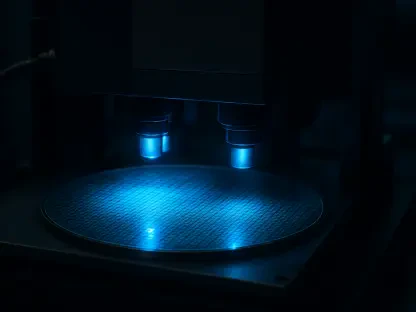

Researchers have discovered that the inherent chemical noise within Minnesota taconite does not prevent the formation of pyrite crystals with the band gaps necessary for light absorption. This finding fundamentally alters the trajectory of material science by proving that low-grade industrial minerals can function as high-efficiency semiconductors. For nearly a century, the production of electronics has been synonymous with extreme purity, requiring silicon to be refined to a level where impurities are measured in parts per billion. This new research, led by specialists at the University of Minnesota Twin Cities, suggests that such rigorous and expensive standards might not be universally necessary. By looking at the raw, unrefined taconite found in the Mesabi Iron Range, scientists have found a way to bridge the gap between heavy industrial mining and the precision of the tech sector. This transition represents a major opportunity to localize the supply chain for essential high-tech components while utilizing resources already being extracted. By transforming the region’s primary export into a high-value electronic material, the industry can reduce its environmental footprint and decouple from volatile global markets, marking a fundamental change for domestic manufacturing.
Rethinking Material Purity in Electronics
Traditional semiconductor manufacturing is built on the principle of extreme material perfection, where any chemical deviation acts as a barrier to electron flow. In standard silicon-based devices, unwanted elements create what are known as energy traps, which effectively snag electrons and prevent them from generating electrical current. This phenomenon forces manufacturers to invest billions in cleanrooms and chemical refining plants to ensure that the starting materials are as close to perfect as possible. However, the unique atomic structure of iron sulfide, or pyrite, demonstrates a surprising resilience to these internal disruptions. Unlike silicon, which loses its utility when contaminated, pyrite can maintain its functional band gap even when derived from sources that contain significant mineral complexity. This “impurity immunity” is the key that allows researchers to consider iron ore as a viable feedstock for advanced electronics, potentially lowering the entry barrier for new domestic manufacturers.
The discovery that pyrite can thrive in a “noisy” chemical environment challenges the central dogma of solid-state physics. For years, the industry assumed that the only way to achieve high performance was through more refining, but this new perspective suggests that material selection is just as important as purity. By focusing on materials that are inherently robust against defects, the electronics industry could move away from the hyper-specialized and fragile supply chains that currently dominate global markets. This shift is particularly relevant as the demand for solar panels and sensors grows exponentially, outstripping global capacity to refine ultra-pure silicon at a sustainable cost. The ability to use unrefined iron ore means that the building blocks of modern technology can be produced using simpler, more direct chemical processes. This not only reduces the complexity of the manufacturing cycle but also opens the door to using a much wider variety of terrestrial minerals that were once dismissed as industrial waste.
The Geological Advantage of the Mesabi Range
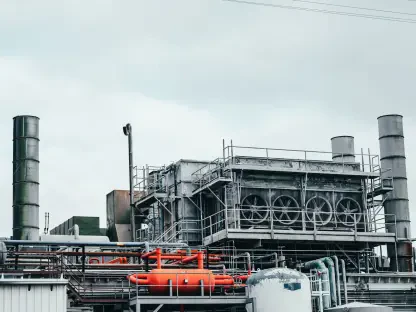
Minnesota’s Mesabi Iron Range has long been the backbone of the American steel industry, currently supplying about three-quarters of the nation’s iron ore. The region’s history is defined by its ability to adapt to changing industrial needs, most notably during the mid-20th century when the development of taconite processing allowed the extraction of iron from low-grade rock. This innovation saved the local mining economy and ensured a steady supply of steel for decades. Today, the Range stands at the threshold of a second major revolution, one that moves beyond heavy industry and into the realm of microelectronics and renewable energy. The existing infrastructure in Northern Minnesota, from the massive open-pit mines to the specialized processing facilities, provides a ready-made foundation for this transition. Instead of building new facilities from scratch, the industry can leverage these established assets to process taconite for a new purpose, turning a legacy industry into a modern high-tech hub.
Integrating semiconductor production into the Iron Range would provide a much-needed buffer against the cyclical nature of the global steel market. Historically, the economic health of Northern Minnesota has fluctuated based on worldwide demand for iron and steel, leading to periods of significant boom and bust. By diversifying the output of the mines to include materials for the semiconductor and green energy sectors, the region can achieve long-term economic stability. Furthermore, this localized approach aligns with national security interests, as it reduces the reliance on foreign sources for the raw materials needed in critical infrastructure. The transition from mining for steel to mining for silicon-alternative semiconductors creates a direct economic pipeline that benefits local workers and researchers alike. As the world moves toward a more electrified future, the Mesabi Range is uniquely positioned to provide the essential elements required for this shift, using the very minerals that have been its lifeblood for over a century.
The Chemical Transformation Process: From Ore to Crystal
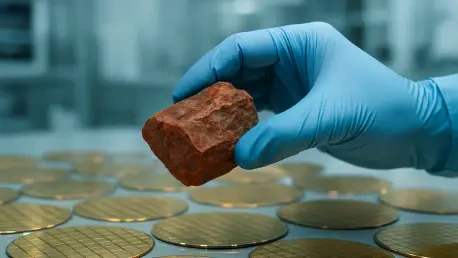
The transformation of raw iron ore into high-functioning pyrite involves a refined but accessible chemical process known as sulfurization. In the experiments conducted by the University of Minnesota team, researchers focused on specific grades of ore, particularly Direct Reduced Grade taconite, which contains a higher concentration of iron and fewer unwanted silicates. By introducing sulfur to this ore under controlled temperatures, the scientists were able to facilitate a reaction that replaces oxygen with sulfur, resulting in the formation of pyrite crystals. What makes this process remarkable is its simplicity compared to the multi-stage purification required for silicon. The resulting material retains the essential electronic properties required for semiconductors, specifically a band gap that allows it to absorb light and convert it into electricity. This proves that the natural impurities found in the earth do not necessarily hinder the creation of sophisticated electronic materials, provided the base mineral has the right structural characteristics.
During the experimental phase, researchers meticulously analyzed the resulting pyrite crystals to ensure they met the standards for electronic application. They discovered that the taconite-derived pyrite exhibited excellent light-absorption coefficients, surpassing many of the materials currently used in thin-film solar cells. This is a critical metric, as it determines how much sunlight a material can capture per unit of thickness. Because pyrite is so efficient at absorbing light, only a very thin layer—often just a few micrometers thick—is needed to create a functional device. This efficiency further reduces the amount of raw material required and simplifies the manufacturing of flexible, lightweight electronic components. The success of these laboratory tests provides a clear roadmap for scaling the technology from small-scale experiments to industrial-level production. By refining the sulfurization parameters, it is now possible to produce consistent, high-quality semiconductor material directly from the unrefined ore that is already being extracted.
Performance and Environmental Benefits: A Sustainable Path
One of the most compelling arguments for adopting pyrite as a semiconductor material is its exceptional environmental profile. Unlike many modern electronic components that rely on rare or toxic elements like lead, cadmium, or gallium, pyrite is composed of iron and sulfur—two of the most abundant and non-toxic materials on the planet. This makes the entire lifecycle of a pyrite-based device much safer for both manufacturers and consumers. In an era where electronic waste is a growing global concern, using materials that are benign and easily sourced is a significant advantage. Furthermore, the abundance of iron and sulfur ensures that the supply chain will never be constrained by the geopolitical tensions that often plague the market for rare earth elements. By switching to iron-based semiconductors, the industry can move toward a truly circular and sustainable economy, where the materials for our phones, cars, and power grids are as common as the dirt beneath our feet, reducing the need for destructive mining practices.
Sustainability also extends to the energy required for manufacturing, where pyrite holds a clear advantage over silicon. Producing high-purity silicon requires temperatures exceeding 1,400 degrees Celsius and extensive chemical treatment, contributing to a high carbon footprint for every wafer produced. In contrast, the sulfurization of iron ore occurs at much lower temperatures and requires fewer hazardous chemicals, resulting in a significantly lower energy debt. This reduction in manufacturing intensity is vital for the renewable energy sector, as it shortens the energy payback time for solar panels. If the materials used to create green technology are themselves produced with a high carbon cost, the overall benefit to the climate is diminished. By utilizing the low-energy pathways enabled by iron sulfide, the industry can ensure that the transition to a carbon-neutral future is as efficient as possible. This holistic approach to sustainability—from raw material extraction to final production—positions Minnesota iron ore as a cornerstone of the next generation of technology.
Future Applications and Strategic Outlook
The potential applications for semiconductor-quality pyrite extend far beyond simple solar cells, reaching into the fields of energy storage and advanced sensing. In the battery industry, iron sulfide is being tested as a high-capacity electrode material that could replace more expensive and less stable components in lithium-ion and sodium-ion batteries. Its ability to facilitate rapid electron transfer makes it ideal for the fast-charging capabilities required for modern electric vehicles. Additionally, the material’s unique optical properties make it a candidate for high-sensitivity infrared sensors, which are essential for everything from medical imaging to autonomous driving systems. Even in the field of environmental remediation, pyrite can act as a catalyst for water purification, helping to break down industrial pollutants without the need for precious metals. This versatility means that a single mining source in Minnesota could support a wide range of high-tech industries, creating a robust ecosystem of innovation.
Industry leaders and researchers concluded that capitalizing on this breakthrough required the immediate establishment of a dedicated development corridor between the Iron Range and urban tech hubs. This strategic path forward involved investing in pilot-scale sulfurization plants that processed taconite in larger volumes while collaborating with manufacturers to integrate pyrite into existing production lines. Furthermore, the standardization of iron ore grades destined for the tech sector was identified as a critical step to ensure consistency in semiconductor performance. Education and training programs were also deemed essential to equip the local workforce with the necessary skills for this transition, blending mining expertise with material science. By adopting these measures, the region successfully positioned itself as a leader in sustainable electronic materials. The transformation from raw ore to refined semiconductor stood as a strategic blueprint for a resilient industrial future that prioritized local resources, environmental health, and technological independence.