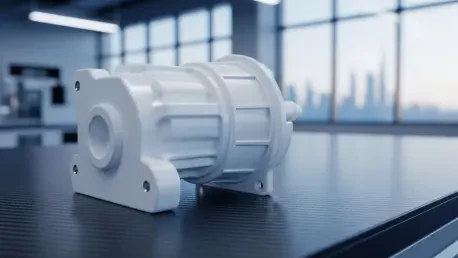

As industrial engineering continues to push the boundaries of durability and efficiency, the reliance on high-performance thermoplastics like polyoxymethylene, commonly known as acetal or POM, has reached an unprecedented peak in global manufacturing. This semi-crystalline material is highly valued for its ability to bridge the gap between traditional plastics and metals, offering a unique combination of high tensile strength, exceptional fatigue resistance, and low friction. In the current industrial landscape, POM is often the primary choice for precision components that must maintain dimensional stability under extreme mechanical stress and varying temperatures. Its inherent resistance to solvents and fuels further elevates its status in demanding environments such as automotive fuel systems and chemical processing equipment. As companies seek to optimize performance while reducing the weight of final products, the adoption of acetal continues to expand across diverse sectors, including medical technology and consumer electronics, where reliability is paramount.
Global Growth Trends and Market Valuation
Financial Projections: Assessing the Growth Path
Following a robust performance in the previous year that saw the industry reach a valuation of approximately $4.20 billion, the global polyoxymethylene market is now entering a phase of sustained acceleration. Financial experts anticipate that the sector will achieve a significant milestone by 2035, with the total market value projected to reach $6.83 billion. This expansion is characterized by a compound annual growth rate of 4.99% from 2026 to 2035, reflecting a steady and reliable increase in industrial demand across both established and emerging markets worldwide.
The economic stability of this polymer is underpinned by its versatile nature and the ongoing recovery of global supply chains. As capital investments flow into new production facilities, the cost-efficiency of POM remains a major selling point for procurement officers looking to balance quality with overhead costs. Furthermore, the rising middle class in developing regions has led to increased spending on products that utilize high-performance plastics, thereby creating a feedback loop of demand that ensures the long-term financial viability of the acetal production industry.
Key Economic Drivers: Fueling Industrial Expansion
The primary catalyst for this upward trend is the broad industrial movement toward lightweighting and the miniaturization of technological components. In sectors where every gram of weight matters, polyoxymethylene provides a high-strength alternative that significantly reduces the overall mass of mechanical assemblies. This shift is particularly evident in the consumer electronics field, where the drive for thinner, more portable devices requires materials that can be molded into intricate shapes without losing their structural integrity or resistance to repeated mechanical wear.
Moreover, the surge in industrial automation and the proliferation of robotics have created new avenues for market growth. POM is frequently utilized in the fabrication of gears, bushings, and conveyor system components because of its low coefficient of friction and high abrasion resistance. As manufacturing facilities across the globe transition toward high-speed, automated production lines, the demand for reliable, low-maintenance plastic parts has intensified. This trend effectively positions polyoxymethylene as a fundamental building block for the next generation of smart manufacturing infrastructures.
Industrial Applications and the Sustainability Shift
Sector Specifics: Driving the Automotive and Electronic Shift
The automotive sector remains the most significant consumer of polyoxymethylene, particularly as the industry undergoes a historic transition toward electric vehicle technology. Manufacturers are increasingly substituting heavy metal components with acetal resins in critical systems such as fuel delivery, door locks, and seat adjusters to maximize battery range and efficiency. The material’s ability to withstand exposure to various chemicals and road salts without degrading makes it an ideal candidate for under-the-hood applications where durability and safety are the highest priorities.
Simultaneously, the electrical and electronics industries have integrated POM into the design of connectors, sensor housings, and switchgear components. Its excellent dielectric properties and dimensional stability under thermal stress ensure that electronic assemblies operate reliably over long periods. As the complexity of modern devices increases, the precision offered by high-grade POM resins allows for tighter tolerances in manufacturing. This reliability is crucial for the success of advanced communication technologies and the growing ecosystem of internet-of-things devices.
Circular Economy: Pioneering Sustainable Material Science
A fundamental transformation is currently occurring within the polymer industry as manufacturers pivot toward more sustainable practices and the principles of a circular economy. Stringent environmental regulations and shifting consumer expectations have forced a reevaluation of traditional production methods, leading to a surge in the development of bio-based polyoxymethylene. These newer grades utilize renewable feedstocks, significantly reducing the carbon footprint of the production cycle while maintaining the same mechanical performance and chemical resistance that industrial users expect.
In addition to bio-based alternatives, the industry is making significant strides in the implementation of advanced recycling technologies. Major chemical producers are establishing dedicated recycling streams to reclaim POM waste from industrial processes and end-of-life products, turning it back into high-quality resin for new applications. This focus on sustainability not only addresses environmental concerns but also provides a degree of resource security in an increasingly volatile global market. By reducing reliance on fossil-based raw materials, the industry is securing its future in a greener economic landscape.
Competitive Landscapes and Strategic Innovations
Corporate Leadership: Navigating Technological Evolution
The competitive landscape of the polyoxymethylene market is defined by the strategic maneuvers of global chemical giants such as Celanese, DuPont, BASF, and Mitsubishi Chemical. These companies are actively engaged in extensive research and development programs aimed at creating specialized POM grades that address the specific needs of Industry 4.0. For instance, some leaders are focusing on high-flow copolymers that facilitate the injection molding of extremely complex geometries, while others are developing medical-grade resins that meet strict biocompatibility requirements.
These corporate leaders are also utilizing strategic partnerships and acquisitions to expand their geographical reach and technological capabilities. By collaborating with automotive and electronics manufacturers, chemical producers can tailor their polymer formulations to meet the evolving demands of end-users. This collaborative approach ensures that the development of new materials remains aligned with the latest engineering trends, such as the need for materials that can operate in high-temperature environments or those that offer enhanced resistance to specific industrial solvents.
Future Considerations: Transitioning Toward Next-Generation Polymers
The industry recognized that the future of polyoxymethylene would be defined by its adaptability to the global energy transition and the continued quest for material efficiency. Stakeholders implemented strategies to scale bio-based alternatives and integrated digital monitoring systems into production lines to ensure consistent quality and resource optimization. This transition allowed for the expansion of POM into high-growth areas such as medical surgical instruments and advanced consumer hardware, where high-precision performance was a non-negotiable requirement for market entry.
Analysts recommended that manufacturers prioritize the diversification of their product portfolios to include sustainable and high-performance hybrid materials. By focusing on circularity and the reduction of greenhouse gas emissions, the industry successfully navigated the complexities of evolving environmental standards. The integration of advanced polymer science and eco-friendly manufacturing established a new benchmark for industrial thermoplastics. These actions ensured that polyoxymethylene remained a vital component of the global technological landscape, providing a foundation for innovation and economic growth in the years ahead.