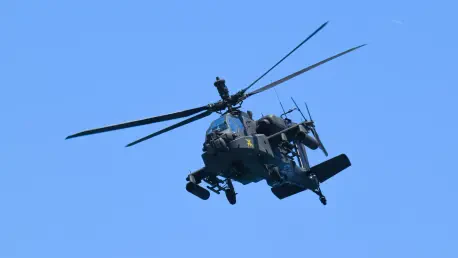

The signing of several major maintenance and support agreements between Boeing and the Polish Ministry of National Defense represents a seismic shift in Eastern European security architecture during this period of rapid military modernization. As Poland solidifies its position as the premier operator of the AH-64E Apache Guardian in Europe, the necessity for a robust domestic sustainment infrastructure has become the primary focus for regional planners. This strategic partnership moves beyond a simple procurement contract, embedding American aerospace expertise directly into the Polish industrial base through comprehensive offset programs. By establishing local capabilities for engine maintenance and composite repair, Poland effectively reduces its reliance on external supply chains while ensuring its massive fleet of ninety-six helicopters remains mission-ready at a moment’s notice. The integration of these advanced platforms creates a formidable deterrent that reshapes the entire defensive posture of the NATO eastern flank and strengthens long-term stability.
Industrial Integration and Technical Sustainment Strategies
Central to these agreements is the deep involvement of the Polish Armaments Group, specifically the Military Aviation Works No. 1 in Lodz, which will serve as a cornerstone for local Apache sustainment. This facility is now poised to manage the maintenance of the General Electric T700-701D engines, providing a critical operational advantage by shortening repair cycles that would otherwise require shipping components across the Atlantic. Such localized technical autonomy is not merely a convenience but a strategic requirement for maintaining high sortie rates during sustained regional tensions. Furthermore, the transfer of knowledge includes advanced training for Polish technicians, who will master the intricacies of the AH-64E’s sophisticated sensor suites and weapons systems. This collaboration ensures that the economic benefits of the multi-billion dollar acquisition are recirculated within the Polish economy, fostering a new generation of high-tech aerospace jobs and expanding the nation’s specialized industrial capacity.
The AH-64E Apache Guardian functions as a digital battlefield commander, utilizing its Longbow Fire Control Radar to coordinate complex operations across multiple domains. Maintenance for such a sophisticated platform involves more than just mechanical checks; it requires deep expertise in digital systems and cybersecurity to protect the helicopter’s data links. Under the new agreements, Polish technical teams will receive specialized equipment to perform high-level diagnostics on the airframe’s mission computers and sensor packages. This capability allows the Polish Land Forces to maintain a high level of operational readiness without having to rely on overseas support for routine technical issues. By integrating these advanced troubleshooting techniques into their daily workflow, ground crews can ensure that every aircraft in the ninety-six unit fleet is capable of performing its mission in any environment. This technical self-sufficiency is a major milestone for the Polish defense industry as it moves toward an autonomous operational model.
The formalization of these maintenance agreements established a clear roadmap for the integration of the AH-64E into the national defense strategy while cementing the industrial ties between Warsaw and Seattle. Military leaders recognized that the true value of the Apache fleet resided not in the initial purchase price, but in the ability to sustain these platforms through decades of service. Looking ahead, the focus must shift toward expanding these local capabilities to include regional support for other NATO members operating similar platforms. Defense officials suggested that the Lodz facility could eventually serve as a Central European hub for Apache maintenance, further enhancing regional interoperability and lowering costs through economies of scale. Stakeholders were encouraged to continue investing in the digitization of logistics platforms to ensure that supply chains remain agile and responsive to shifting geopolitical realities. The successful execution of these contracts proved that defense acquisitions drive innovation.