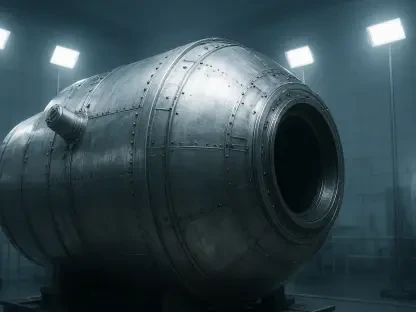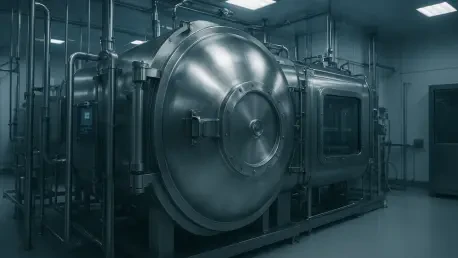

The use of inflatable gaskets and custom stainless-steel doors provides the hermetic seal necessary to isolate the milling chamber from the material introduction and dispensing zones. This structural integrity is paramount when handling the latest generation of highly potent active pharmaceutical ingredients that define the current manufacturing landscape. In the current year of 2026, the pharmaceutical industry is seeing an unprecedented rise in the complexity of compounds, requiring facilities to operate within much tighter safety margins. Manufacturers are frequently forced to balance the need for extreme containment with the physical reality of limited floor space. FPS Pharma addressed this challenge by developing a unified, high-containment milling station that offers both the flexibility of a modular system and the rigorous protection of an isolator. This approach not only safeguards the personnel involved but also ensures the purity of the product and the safety of the environment. By rethinking how different milling technologies interact with containment barriers, the engineering team created a platform that adapts to diverse production needs while minimizing risk. It also ensures that the surrounding environment remains free from contamination, providing peace of mind for facility managers and regulatory bodies alike.
Strategic Evaluation: Safety and Modularity
Risk Assessment: Design Philosophy for Containment
The foundation of this project relied on a comprehensive technical evaluation aimed at establishing the precise containment thresholds required for the client’s hazardous materials. Engineers performed an in-depth analysis of Occupational Exposure Band levels and time-weighted average exposure limits to determine the necessary performance targets. The design philosophy centered on a three-way protection model, ensuring that the operator, the product, and the surrounding facility remained isolated from any potential contaminants. This strategic assessment went beyond simple safety metrics, as it also integrated the existing standard operating procedures and specific ergonomic requirements of the production staff. By maintaining a negative pressure environment and a Containment Performance Target as low as 10 ng/m³, the system provided a robust defense against the escape of potent dust. This focus on safety did not come at the expense of efficiency; rather, it served as a catalyst for a more streamlined and reliable manufacturing process that remains effective as of 2026. This comprehensive evaluation allowed for the creation of a system that satisfies the most demanding safety protocols while facilitating high-throughput operations.
Modular Configuration: Milling Capabilities and Testing
One of the most versatile aspects of the newly developed system is the modular architecture that allows for the rapid integration of various milling technologies. Through extensive empirical testing at the Micronization Excellence Centre, specialists identified the exact parameters necessary to achieve specific particle size distributions across a wide range of compounds. The platform supports five distinct types of mills, including Conical, Hammer, Pin, Loop, and Spiral Jet configurations, allowing operators to switch between different mechanical processes without compromising the containment boundary. This level of flexibility is essential for modern facilities that manage a diverse portfolio of products with varying physicochemical properties. By consolidating these capabilities into a single containment unit, the system maximizes the utility of the existing production footprint while ensuring that each compound reaches its target granulometry. The ability to mount and dismantle these components quickly ensures that production schedules remain on track, even when transitioning between drastically different milling requirements. This plug-and-play capability represents a significant advancement in operational agility for the high-potency sector.
High-Containment Standards: Engineering and Compliance
Precision Engineering: Airflow and Performance
The high-containment isolator serves as the centerpiece of the technological suite, engineered to meet the stringent OEB 6 rating through advanced airflow management. By utilizing turbulent airflow and a constant negative pressure, the system effectively prevents the migration of hazardous particles during high-energy milling operations. This engineering precision is backed by a commitment to global regulatory compliance, as the system adheres to the Machinery Directive, EU GMP requirements, and relevant ISO standards for containment and air quality. These standards ensure that the equipment is not only technically proficient but also legally sound for use in international pharmaceutical markets. The structural design features adjustable leveling feet and a robust frame, allowing for seamless integration into existing production floors without extensive modifications. Furthermore, the inclusion of integrated sensors provides real-time monitoring of pressure differentials and ventilation performance, ensuring that the containment remains intact at all times. This proactive approach to safety and compliance sets a benchmark for the industry in terms of reliability and technical excellence.
Operational Workflow: Internal Architecture and Maintenance
The final implementation of the system successfully prioritized a controlled flow of materials through specialized internal zones and automated cleaning protocols. The integration of an entry airlock with Bag-In/Bag-Out capabilities ensured that hazardous substances were introduced and removed without compromising the sterile environment. To manage the cleaning of highly potent residues, the system utilized Wash-in-Place and Clean-in-Place technologies, which significantly reduced the downtime typically required for manual decontamination during product changeovers. The discharge of processed powders was managed through a continuous liner system, providing a secure and hermetic method for material transfer. Overall, the collaboration between the engineering teams and the manufacturer established a new standard for safe and efficient micronization. Future efforts should focus on further automating the sensor feedback loops to reduce human intervention in high-risk zones and exploring the integration of artificial intelligence for predictive maintenance. By adopting these modular and high-containment strategies, pharmaceutical companies achieved a more resilient production model that maintained safety and performance in a demanding market.