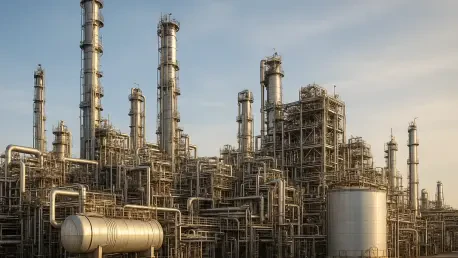

Industrial hubs in the Asia-Pacific region are currently the primary growth engines for the methanol-to-olefins market due to massive infrastructure investments. This surge reflects a fundamental shift in the global petrochemical landscape as manufacturers increasingly look beyond traditional crude oil refining to secure essential chemical building blocks. By converting methanol into light olefins like ethylene and propylene, the industry has discovered a versatile alternative that balances resource availability with rising consumer demand. The market, which reached a valuation of approximately USD 24.5 billion in 2023, is now on a clear trajectory toward USD 44.1 billion by the end of 2034. This steady growth, characterized by a compound annual growth rate of 5.5 percent from 2026 to 2034, underscores the critical role that Methanol-to-Olefins technology plays in modern manufacturing. As localized supply chains become more vital for economic stability, MTO facilities provide the necessary flexibility to utilize diverse feedstocks like natural gas and coal, effectively decoupling polymer production from the volatile fluctuations of the global petroleum market.
Strategic Drivers and Industry Evolution
Catalysts for Growth: Diversification and Lightweighting
The primary motivation behind the adoption of MTO technology remains the strategic need for feedstock diversification in an increasingly unpredictable energy environment. In a global economy where oil prices are subject to geopolitical tensions and supply constraints, the ability to produce olefins from alternative sources provides a crucial buffer for chemical manufacturers. By leveraging abundant domestic reserves of coal and natural gas, industrial centers can maintain a consistent production schedule without the constant threat of feedstock price spikes or supply chain disruptions. This shift is particularly evident in regions that lack significant oil deposits but possess vast coal or gas fields, allowing them to transform raw energy into high-value chemical products. This strategic independence not only stabilizes the local economy but also provides a competitive edge in the global trade of polymers, as production costs become more predictable and less reliant on external crude oil imports.
Furthermore, the rapid transition toward electric mobility and advanced consumer electronics has fundamentally altered the performance requirements for plastic components. Modern vehicles require a high proportion of high-performance, lightweight polymers to compensate for the significant weight of battery systems and improve overall energy efficiency. This shift has created an insatiable appetite for advanced plastics derived from ethylene and propylene, such as high-impact polypropylene and specialized polyethylene grades. As automotive manufacturers replace heavy metal parts with durable synthetic alternatives, the demand for high-purity olefins continues to surge. This trend is mirrored in the medical and electronics sectors, where the need for biocompatible and high-insulation materials is at an all-time high. Consequently, MTO plants are operating at maximum capacity to bridge the gap between traditional supply routes and the sophisticated needs of the modern high-tech manufacturing sector.
Sustainable Development: The Green Methanol Transition
Sustainability is no longer a peripheral concern but a core driver of investment in the MTO sector as regulatory pressures and environmental mandates mount across the globe. While traditional methods often relied on carbon-intensive processes, the current era is witnessing a significant pivot toward ‘green’ methanol as a primary feedstock. This renewable alternative is synthesized using biomass, municipal waste, or even atmospheric carbon dioxide captured directly from industrial off-gases and combined with green hydrogen. Integrating these renewable feedstocks into the MTO lifecycle allows companies to align with circular-economy principles and significantly reduce their net carbon emissions. This evolution effectively transforms what was once a fossil-fuel-dependent process into a potential carbon-neutral loop that supports global climate goals. As financial institutions increasingly prioritize green investments, the transition to renewable methanol ensures that the production of essential olefins remains economically viable.
The technological transition toward green chemistry is also fostering a new era of industrial symbiosis, where waste products from one industry become the feedstock for chemical production. For instance, several pioneering facilities are now co-located with waste-to-energy plants, capturing carbon emissions to feed MTO reactors. This approach not only solves the problem of industrial emissions but also creates a reliable source of chemical building blocks that do not compete with food crops for land or resources. As the technology for synthesizing green methanol matures and achieves economies of scale, the cost of production is expected to decrease, making sustainable olefins more accessible to the mass market. This move toward environmental stewardship is becoming a prerequisite for market entry in developed regions like Europe and North America, where consumers and regulators alike demand transparency and a reduced environmental footprint from the petrochemical industry.
Market Segmentation and Competitive Landscape
Product Trends: The Dominance of Propylene and Ethylene
When examining the market through a product lens, propylene continues to hold the most substantial share due to its indispensable role in producing polypropylene. This versatile polymer is used extensively in everything from high-strength textiles and medical supplies to durable food packaging and protective equipment. The growth in e-commerce and the subsequent need for specialized shipping materials have further boosted the demand for propylene derivatives, ensuring its dominance in the production queue for the foreseeable future. Manufacturers are increasingly focusing on the propylene-to-ethylene ratio in their MTO plants, utilizing advanced process controls to shift production based on real-time market prices. This operational agility allows MTO operators to capture higher margins during periods of high demand for specific polymer grades, reinforcing the technology’s position as a more flexible alternative to traditional steam cracking of naphtha.
Ethylene follows closely behind propylene, serving as the foundational building block for polyethylene, which remains the most widely used plastic in the world today. The ubiquity of polyethylene in consumer goods, industrial liners, and structural components means that ethylene production remains a top priority for any MTO operation. Beyond these two giants, the production of butenes and other specialty olefins is gaining traction as high-performance chemical synthesis becomes more complex. These specialty chemicals are essential for the production of high-grade synthetic rubber and advanced coatings, further diversifying the revenue streams for MTO facility owners. By optimizing their catalytic processes to favor specific outputs, manufacturers can respond more dynamically to the shifting needs of the consumer packaging and textile industries, ensuring that the supply of essential building blocks keeps pace with the global demand for increasingly sophisticated plastic materials.
Technical Innovation: Advanced Catalysts and Selective Processing
Efficiency in the MTO process is largely determined by the performance of specialized catalysts, making research and development in this area a top priority for industry leaders. Modern facilities rely on advanced molecular sieve catalysts, such as SAPO-34 and ZSM-5 zeolites, which are specifically engineered to maximize the yield of desired olefins while minimizing the production of unwanted byproducts like methane or heavy hydrocarbons. These catalysts allow for greater selectivity, ensuring that a higher percentage of the methanol feed is converted directly into high-value ethylene and propylene. Furthermore, ongoing innovations are focused on reducing the thermal energy required for these chemical reactions, which lowers operational costs and improves the overall sustainability of the plant. By refining the microscopic structure of these catalysts, engineering firms can enhance the lifespan of the materials and reduce the frequency of maintenance shutdowns, which is critical for profitability.
The competitive landscape is increasingly defined by the ability of technology licensors to provide integrated solutions that cover the entire value chain from methanol synthesis to polymer production. Major chemical players are investing heavily in digital twin technology and artificial intelligence to monitor catalyst health and optimize reactor conditions in real-time. This digital transformation allows for a level of precision that was previously unattainable, significantly reducing waste and improving the purity of the final olefin products. As the market matures, the differentiation between competitors will likely stem from their ability to integrate carbon capture and storage directly into the catalytic process. Firms that can offer “low-carbon” olefin certifications will be better positioned to secure long-term contracts with global brands that have committed to ambitious sustainability targets. This relentless focus on technical optimization is what allows large-scale operators to maintain their competitive edge in a global market.
The evolution of the MTO sector demonstrated that industrial flexibility and feedstock independence were the most critical factors for long-term survival in a volatile energy market. As the industry matured toward 2034, it became clear that the integration of renewable energy sources and advanced catalytic science provided the necessary tools to bridge the gap between traditional petrochemicals and a sustainable future. Stakeholders who prioritized the adoption of carbon-neutral methanol and invested in high-efficiency recovery systems positioned themselves at the forefront of this multi-billion dollar transition. For future success, industrial groups focused on modular plant designs that could be quickly scaled to meet regional demand while minimizing the risks of excessive capital lock-in. Furthermore, the collaboration between technology licensors and energy providers proved essential for creating stable, localized chemical ecosystems that were less susceptible to global shocks. The journey toward USD 44 billion highlighted that the most successful players were those who viewed MTO as a strategic asset.