
Modern household management often creates a perceived conflict between the desire for rapid results and the necessity of operational efficiency in an era defined by rising utility costs. While a dishwasher or washing machine running for three hours might seem like a wasteful endeavor compared to a brisk forty-minute cycle, the reality of thermal dynamics suggests a much more nuanced story about resource preservation. The counterintuitive nature of eco modes relies on the fact that heating water accounts for nearly ninety percent of the energy consumed by these appliances during a standard operation. By extending the duration of the cycle, manufacturers are able to utilize significantly lower water temperatures while maintaining cleaning efficacy through prolonged mechanical action and enzymatic saturation. This shift in operational philosophy marks a departure from the high-heat, high-speed methods of the past, focusing instead on the subtle science of time as a primary solvent. As grid demands fluctuate, the ability to draw less power over a longer period has become a cornerstone of sustainable home design.
Thermal Dynamics: The Science of Prolonged Cycles
The primary reason a longer cycle saves money is found in the fundamental relationship between heat and kinetic energy within the appliance drum or tub. High-speed cycles require the internal heating elements to reach extreme temperatures almost instantly to dissolve grease and kill bacteria within a condensed timeframe. This rapid heating process draws a massive amount of wattage from the local power grid, often peaking at levels that contribute to higher tiered pricing during peak hours. In contrast, the eco setting operates by heating the water gradually or maintaining it at a much lower baseline, typically between thirty and forty degrees Celsius. To compensate for the lack of intense heat, the machine increases the duration of the tumbling or spraying phases. This extended mechanical agitation allows the water and detergent mixture to penetrate residues through persistence rather than brute force. Consequently, the total electricity consumed remains lower because the power-hungry heating element remains idle for the vast majority of the operation.
Advancements in chemical engineering have further validated the transition toward longer, cooler appliance cycles by optimizing how cleaning agents interact with various surfaces. Contemporary detergents are formulated with enzymes designed to break down proteins and fats more effectively at moderate temperatures. When an appliance is set to an eco mode, these enzymes are given the time to undergo chemical reactions that cannot occur during a rapid, high-heat wash. A quick cycle often flushes the detergent away before it has reached its maximum potency, leading to wasted resources. By allowing the wash liquor to circulate longer, the appliance ensures that every fiber of a garment or every inch of a ceramic plate is thoroughly treated. This synergy between chemistry and duration results in cleaner outputs and prevents the thermal degradation of delicate materials. Reducing heat exposure extends the lifespan of dishware, providing a financial benefit by lowering replacement frequencies. This approach ensures energy is utilized with maximum efficiency.
Financial Gains: Strategic Resource Management
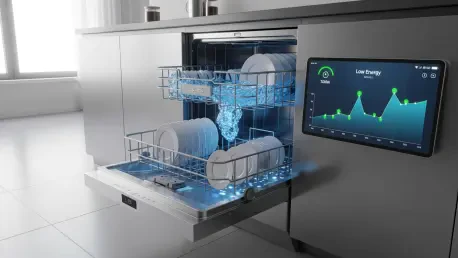
Evaluating the cost-effectiveness of eco modes requires a shift from monitoring time to analyzing the actual kilowatt-hour consumption reported on monthly utility statements. In many jurisdictions, residential electricity prices are moving toward a dynamic model where the cost per unit varies based on total demand. High-wattage bursts from rapid-cycle appliances can push a household into a more expensive billing bracket or contribute to peak-load surcharges. Eco cycles mitigate this risk by maintaining a low, steady draw of power that is less likely to trigger these additional costs. Detailed data from smart home monitoring systems in 2026 through 2028 indicates that a dishwasher using an eco setting can reduce energy consumption by up to thirty-five percent per load. While the machine is on for a longer period, the intermittent operation of the motor uses a fraction of the power required by a high-heat burner. These increments of savings accumulate into hundreds of dollars for households that run multiple loads every week.
Adopting eco modes required a fundamental reassessment of how efficiency was measured in the domestic environment. It became clear that the most effective path toward sustainability involved prioritizing the quality of the process over the speed of the delivery. Homeowners who successfully transitioned to these settings found that they could maintain high standards of cleanliness while significantly lowering their ecological footprint. To achieve these results, it was essential to pair the use of eco cycles with high-quality, enzyme-based detergents and regular maintenance of appliance filters. Strategic planning regarding load sizes also played a critical role, as running a full machine on a long cycle maximized the value of every drop of water and every watt of power. These practices demonstrated that the perceived inconvenience of time was actually a valuable asset in the pursuit of a more economical lifestyle. This approach ensured that every operational choice contributed to the long-term health of both the wallet and the environment.