
The transformation of the Workhorse manufacturing facility in Union City, Indiana, serves as a masterclass in how legacy industrial spaces can be completely reimagined for the electric vehicle era through the rigorous application of lean manufacturing principles. When the decision was made to retrofit this traditional internal combustion engine plant for electric vehicle production, management treated the site not as a burden of the past, but as a clean slate for the future of clean energy transportation. This strategic pivot allowed leadership to weave lean philosophies into the very fabric of the building’s layout, ensuring that every square foot was engineered for high-efficiency output from the very first day of operations. The primary objective of this transition is the radical elimination of waste, specifically focusing on activities that fail to add direct value to the finished vehicle. By redesigning the plant floor, the physical steps taken by operators were reduced by fifty percent, effectively shifting the human investment from mere walking to active building.
Designing an Intuitive and Ergonomic Floor
A truly self-teaching plant begins at the level of the individual workstation, where micro-level design choices dictate the overall pace and quality of production. Within the Workhorse facility, parts are staged strategically within a designated ergonomic zone between knee and shoulder height to minimize physical strain and repetitive motion fatigue. This focus on ergonomics ensures that workers remain focused and physically capable throughout their shifts, which is essential for maintaining the high standards required in electric vehicle assembly. Furthermore, items are arranged in the exact order of their installation, creating a logical, left-to-right flow that mirrors a natural reading sequence. This intuitive arrangement guides the worker through the process, significantly reducing the mental load required to complete complex tasks. By minimizing the need for constant decision-making and searching, the workstation itself acts as a guide, allowing for a more fluid and error-free assembly process.
Visual communication serves as a cornerstone of this structured environment, employing a universal color-coded language that remains accessible to anyone regardless of their previous experience level. Shadow boards ensure that every tool is returned to its specific location, making missing items immediately obvious to even a casual observer. Meanwhile, digital kiosks located throughout the facility provide real-time access to standardized work instructions, ensuring that the latest technical specifications are always at the operator’s fingertips. These visual cues function as a silent instructor, allowing new associates to orient themselves quickly and facilitating seamless cross-training between different production stations. This level of transparency means that the plant floor essentially teaches itself, as the environment provides all the necessary feedback to maintain optimal performance. This visual management approach reduces the need for constant supervision and allows the team to focus on the precision required for electric drivetrain integration.
Building a Culture of Frontline Ownership
Long-term sustainability in lean manufacturing depends heavily on who truly owns the system, as traditional consultant-led models often suffer from a decline in efficiency once the external experts depart. The Workhorse approach prioritizes the human factor by ensuring that the individuals who work on the floor daily are the primary designers of their own processes. When operators are tasked with building their own workstations and organizing their parts supermarkets, they develop a sense of pride and personal responsibility that keeps the system running effectively over the long haul. This ownership model recognizes that the frontline workers possess the most intimate knowledge of the production flow and its potential pitfalls. By empowering these associates to take charge of their immediate environment, the company fosters a culture where continuous improvement is not just a management mandate but a personal goal for every employee. This deep-seated commitment to the lean journey creates a resilient and self-sustaining production ecosystem.
To foster this culture of ownership, the plant holds regular lean workshops where hierarchical titles are ignored in favor of practical, hands-on problem-solving. During these sessions, associates are encouraged to identify their own bottlenecks and develop rolling point-of-use carts that bring necessary materials directly to the work area. This collaborative atmosphere ensures that solutions are grounded in the physical reality of the assembly line rather than being theoretical abstractions created in an office. These workshops turn every employee into a meaningful contributor to the plant’s evolving efficiency, allowing the facility to adapt quickly to changes in vehicle design or production volume. The development of custom carts and localized storage solutions reduces the time wasted waiting for parts, further streamlining the transition from component to finished vehicle. This bottom-up innovation cycle ensures that the plant remains lean and agile, as the people closest to the work are constantly refining the tools they use every day to achieve excellence.
Maintaining Strict Discipline and Quality
While sophisticated technology and high-tech systems are vital, the long-term success of an electric vehicle plant rests on the unwavering discipline regarding the most basic operational standards. Small habits, such as returning tools and trash cans to their designated spots at the end of each task, serve as leading indicators of a team’s overall attention to detail and commitment to quality. Leadership maintains this high standard through regular floor walks, recognizing that consistent adherence to organizational principles is a prerequisite for maintaining repeatable manufacturing processes. These walks are not about policing the staff but rather about validating the standards and identifying where the system might be breaking down. When the floor is clean and every item is in its place, it creates a psychological environment of precision that translates directly into the quality of the electric vehicles being produced. This fundamental discipline acts as the bedrock upon which more complex lean strategies are built, ensuring that the facility remains efficient and safe.
On a macro level, the use of Value Stream Mapping allows the plant to track the movement of materials from the moment they arrive at the loading dock until the finished vehicle rolls off the floor. This cradle-to-grave analysis exposes hidden hand-offs, excessive travel distances, and unnecessary inventory buildup that individual workstations might overlook. By examining the entire flow of production, the facility can optimize the system as a whole rather than just improving isolated pockets of activity. This holistic perspective ensures that local improvements actually contribute to a faster and more resilient production cycle instead of simply moving the bottleneck elsewhere. Value Stream Mapping provides a high-level view that complements the micro-level improvements found at individual stations, creating a balanced approach to manufacturing excellence. This comprehensive understanding of the flow enables management to make informed decisions about resource allocation and process changes, ensuring that the facility remains at the cutting edge of electric vehicle production.
Advancing the Future of Automotive Manufacturing
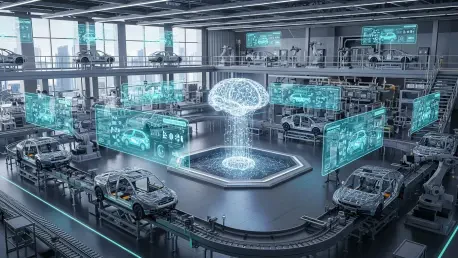
To replicate the success found in the Indiana facility, organizations must prioritize the standardization of micro-training modules that can be consumed at the point of use. This involves developing a digital infrastructure where assembly instructions are not just static documents but interactive guides that adapt to the skill level of the individual operator. Furthermore, implementing cross-functional workshops should become a recurring operational requirement rather than a one-time event, ensuring that the plant floor continues to evolve as new production challenges arise. Companies should also look toward integrating digital twin technology with physical lean tools to simulate flow changes before they are implemented on the floor. By combining the physical intuition of shadow boards and ergonomic staging with the predictive power of data analytics, manufacturers can maintain a self-teaching environment that scales efficiently. These actionable steps provide a foundation for any facility looking to transition into a high-performance electric vehicle production center.
The successful integration of lean principles at the Workhorse facility established a definitive roadmap for the broader electrification of the automotive sector. Industry stakeholders discovered that the most effective way to manage the inherent complexity of high-voltage systems was to simplify the physical environment where they were assembled. By moving away from rigid, top-down directives and embracing a self-teaching plant model, the organization secured a competitive advantage in production speed and workforce retention. The experience demonstrated that facilities which prioritized human ergonomics and visual clarity consistently outperformed those that relied solely on automated black-box solutions. This transition proved that the human element remained the most adaptable component of the assembly line when supported by logical design and rigorous discipline. Moving forward, the industry learned to view manufacturing not just as a mechanical process, but as a continuous educational environment that evolved alongside its operators and the evolving technology of the time.