
The successful qualification for global humanitarian programs was predicated on the ability to minimize process variability through sophisticated granulation technology. For regional pharmaceutical entities like Beta Pharmacon, the aspiration to reach international markets required a departure from traditional, volume-centric manufacturing toward a methodology defined by precision and auditable consistency. This transition in 2026 was fueled by a necessity to align local operations with the stringent requirements of global healthcare supply chains. By integrating high-end machinery that offered granular control over every batch, manufacturers effectively bridged the gap between localized production and world-class performance. This evolution allowed firms to move beyond geographical boundaries, transforming from domestic suppliers into vital contributors for diverse therapeutic sectors and humanitarian efforts. The shift was not merely an equipment upgrade but a fundamental change in organizational mindset, focusing on the delivery of life-saving medications with an unprecedented level of reliability.
The movement toward global integration was frequently prompted by the need to satisfy rigorous international regulatory bodies that demand more than just a functional product. To compete on this global stage, a manufacturing facility had to prove that its equipment quality was directly linked to Overall Equipment Effectiveness and absolute process repeatability. This demand for measurable performance forced a move away from manual, simple production toward a digital and fully auditable manufacturing environment. High-end technology provided the necessary data trails and consistency required to withstand the intense scrutiny of global audits, ensuring that every batch met the same high standards regardless of the therapeutic category. In this context, the adoption of advanced automation was not an option but a prerequisite for entering high-value markets. By investing in sophisticated hardware and software, regional players demonstrated their commitment to safety and efficacy, which in turn secured the trust of international distributors and health organizations.
Strategic Foundations: Building Engineering Partnerships
Choosing the correct technology partner served as the most critical step in a manufacturer’s expansion journey. Rather than relying on simple marketing claims, forward-thinking pharmaceutical leaders engaged in deep technical consultations and site visits to assess engineering rigor firsthand. This reference-based purchasing approach ensured that the chosen equipment aligned with the long-term goal of building a future-proof facility that could adapt to changing regulations. A partnership with a global technology leader allowed a domestic firm to absorb international engineering standards, turning a simple equipment purchase into a comprehensive organizational upgrade. These collaborations focused heavily on process control and digital data acquisition, which were essential for modern compliance. By leveraging the expertise of established technology providers, regional firms avoided the common pitfalls of rapid scaling and instead built a foundation of technical excellence that supported their global ambitions through 2027 and beyond.
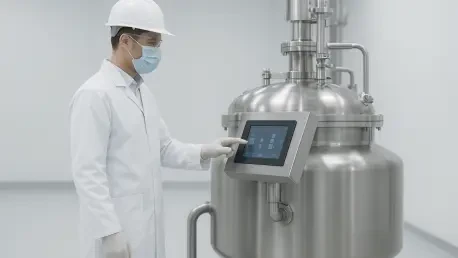
The implementation of specific high-capacity systems, such as integrated granulation lines, served as the technological backbone for these large-scale operations. These systems were meticulously designed to handle high-volume output for a wide range of medications, from complex cardiovascular treatments to common anti-inflammatory drugs, without compromising chemical integrity. When these advanced systems were successfully installed and tailored to a specific facility’s needs, they led to critical milestones like Good Manufacturing Practice certification. This validation confirmed that the facility was capable of maintaining consistent performance at a level that satisfied the world’s most demanding healthcare agencies. The focus remained on the seamless integration of high-shear mixers and fluid bed dryers, which worked in tandem to produce uniform granules. This level of technical sophistication ensured that the final dosage forms were consistent, safe, and effective, thereby reinforcing the manufacturer’s reputation as a reliable player in the international market.
Global Recognition: Achieving Humanitarian Impact
The ultimate proof of technological success lay in achieving prestigious international certifications, such as becoming a USP-verified supplier. For manufacturers in emerging markets, this level of recognition represented a landmark achievement that facilitated participation in global supply networks for vital products like Multiple Micronutrient Supplements. Advanced technology drove this outcome by providing the scalability needed for humanitarian efforts while maintaining the strict quality controls required for international verification. This success demonstrated that with the right investment, regional players could become essential contributors to global health initiatives, providing affordable and high-quality medicine to underserved populations. The ability to produce these supplements at a massive scale without sacrificing purity or potency was a direct result of the precision offered by modern processing equipment. Consequently, these companies moved from the periphery of the industry to the center of global health discussions, proving that technological adoption is the fastest route to international credibility.
The integration of world-class technology ultimately led to the decentralization of high-end pharmaceutical manufacturing. By aligning strategic vision with advanced processing equipment, companies evolved from domestic suppliers into partners of choice for global health organizations. This evolution highlighted a broader industry trend where the gap between emerging markets and established global players was closed through technological excellence. While facility design remained important, the choice of process technology was the most influential factor in securing regulatory confidence and ensuring long-term success. The shift allowed for a more resilient global supply chain, as manufacturing capabilities were distributed more evenly across different regions. This decentralization reduced the risk of shortages and ensured that high-quality pharmaceuticals were accessible to a broader demographic. The success of this model showed that technology serves as the great equalizer in the pharmaceutical industry, allowing any firm with the right equipment and vision to compete on a global scale.
The Final Analysis: Sustaining Long-Term Technological Excellence
The journey toward global expansion was defined by a commitment to technical precision and a willingness to embrace digital transformation. Organizations that succeeded did so by prioritizing the acquisition of equipment that offered deep data insights and automated control systems. They moved away from fragmented production models and instead adopted integrated platforms that streamlined the path from raw materials to finished products. This strategic shift enabled manufacturers to meet the high standards of the USP and other regulatory bodies with confidence. The transition required a significant upfront investment, but the long-term rewards included access to international humanitarian contracts and a fortified position in competitive therapeutic markets. By 2026, the industry had clearly demonstrated that those who invested in sophisticated granulation and processing technology were the ones who led the market in growth and reliability. The focus on quality through technology proved to be the most sustainable strategy for any company looking to leave a lasting impact on global healthcare.
To maintain this momentum, pharmaceutical leaders focused on continuous process improvement and the training of personnel to handle complex automated systems. They recognized that the equipment was only as effective as the data it generated and the people who interpreted it. Future success depended on the ability to integrate artificial intelligence and machine learning into existing granulation lines to predict and prevent batch failures before they occurred. Manufacturers that maintained a proactive approach to technology upgrades ensured their facilities remained compliant with evolving global standards. This proactive stance also involved regular technical audits and the adoption of greener manufacturing practices to align with global sustainability goals. By treating technology as a living part of the organization rather than a static asset, these companies secured their roles as pillars of the international medical community. The path forward was paved with digital innovation, ensuring that high-quality medicine remained a universal standard rather than a regional luxury.