
Addressing the global labor crisis in the construction sector requires a transition toward software-driven platforms that can modernize legacy equipment fleets. As urban expansion accelerates and the demand for robust public infrastructure intensifies, the industry faces a crippling shortage of skilled operators capable of handling heavy machinery. This deficit is not merely a localized issue but a systemic hurdle that threatens to stall major projects ranging from regional airports to massive transport networks. Traditional recruitment methods have failed to keep pace with the retirement of professionals, leaving a void that manual labor alone cannot fill. To maintain momentum, firms are looking toward sophisticated robotics that do not require replacing entire fleets but rather upgrading existing assets with autonomous capabilities. By integrating advanced sensors and artificial intelligence, the sector is starting a shift where efficiency is dictated by code rather than availability.
The Architecture of Autonomous Construction
Software Over Hardware: The Open Platform Advantage
The recent strategic partnership between Autonomous Solutions Inc. and SoftBank Group Corp. represents a pivotal moment in this technological evolution. With a substantial capital infusion of $225 million, the joint venture is designed to scale autonomous heavy equipment operations across the global market. Unlike traditional proprietary systems that lock contractors into a specific manufacturer, the core of this initiative is a brand-agnostic platform. This means that a contractor can apply the same sophisticated orchestration software to a diverse fleet of haul trucks, dozers, and loaders regardless of their original brand. Such flexibility is crucial because construction sites rarely rely on a single equipment provider. By creating a unified digital layer, the system allows for seamless communication between different machine types. This approach ensures that the investment remains future-proof, as it can adapt to various hardware additions introduced in coming seasons.
Integrated Coordination: Technical Orchestration of Mixed Fleets
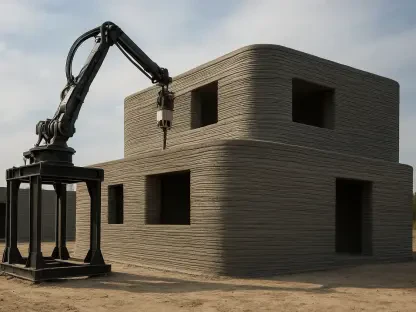
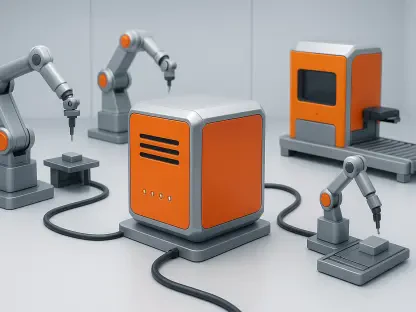
Moving beyond simple remote control, the emphasis has shifted toward full fleet orchestration where machines operate in a coordinated ecosystem. For instance, a robotic loader can communicate its progress directly to an autonomous haul truck to optimize loading cycles and reduce idle time. This level of synchronization is essential for complex civil construction tasks that involve massive earthmoving and site preparation. By leveraging over twenty-five years of robotics expertise, the development teams have focused on creating high-fidelity situational awareness for every vehicle. Sensors and edge computing allow these machines to navigate dynamic environments where terrain and obstacles change by the hour. The goal is to provide a cohesive workflow that covers every phase of a project, from the initial clearing of land to the final stages of vertical development. This comprehensive software-defined approach minimizes human error and significantly increases on-site safety.
Strategic Implementation: Industrial and Economic Impact
Efficiency Gains: Overcoming the Human Resource Bottleneck
The primary targets for this autonomous expansion are large-scale infrastructure projects that serve as the backbone of modern society. Airports, railways, and waste management facilities require precision and consistency that can be difficult to maintain with a shrinking workforce. These massive builds often face significant delays due to the high complexity of tasks and the sheer volume of material that must be moved. By implementing autonomous solutions, project managers can ensure that machinery operates at peak efficiency for longer durations without the fatigue that affects human operators. This shift allows the remaining skilled personnel to focus on higher-level supervisory roles and complex problem-solving rather than repetitive manual operation. The result is a more resilient construction model that can withstand the volatility of the labor market. As productivity becomes less dependent on the number of workers, the pace of development can finally match demand.
Moving Forward: Strategic Pathways for Long Term Growth
The strategic alignment between technology pioneers and financial leaders established a clear roadmap for the modernization of the heavy equipment sector. This period was characterized by a move away from isolated, brand-specific tools toward an integrated and transparent operating environment. Industry leaders recognized that the labor shortage was not a temporary setback but a permanent shift that required a fundamental rethink of how work was performed. By successfully demonstrating the reliability of autonomous systems, the venture proved that technology could bridge the gap left by a dwindling workforce. To capitalize on these advancements, firms should now prioritize digital literacy and the integration of data analytics into their core strategies. Investing in brand-agnostic infrastructure allowed for a more flexible response to changing requirements. Organizations must now identify specific repetitive tasks suitable for automation to ensure long-term viability.