
Next-generation medical treatments are increasingly reliant on the scalable production of biopolymers that bridge the gap between ecological responsibility and clinical innovation. As the healthcare industry shifts toward restorative solutions, the demand for high-purity biological materials has grown exponentially. HTL Biotechnology recently reached a significant milestone by opening its HTL8 production facility in Javené, France. This specialized unit represents a €15 million investment, which is a key component of the company’s extensive €100 million expansion strategy covering the period from 2026 to 2028. By focusing on the large-scale purification of pharmaceutical-grade polynucleotides, the facility addresses the critical shortage of high-quality ingredients required for advanced tissue repair. This industrial expansion not only strengthens the regional economy but also provides the global market with the consistent supply of bioactive polymers needed to push the boundaries of modern medicine.
Advancing Clinical Outcomes through Sustainable Industrial Excellence
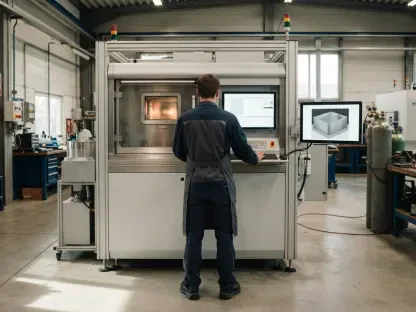
The strategic use of wild Alaskan salmon milt as a primary source for polynucleotides demonstrates a commitment to sustainable sourcing that does not compromise medical efficacy. This biological byproduct, salvaged from the fishing industry, undergoes a rigorous extraction process to isolate DNA-derived polymers that are essential for promoting cellular regeneration and skin hydration. At the HTL8 facility, advanced automation and strictly controlled purification workflows ensure that each batch meets the highest pharmaceutical standards. These biopolymers are particularly effective in ophthalmology for treating dry eye and in dermatology for rejuvenating skin through tissue remodeling. By integrating these bioactive materials into clinical practice, healthcare providers can offer more effective treatments for chronic wounds and age-related tissue degradation. This methodology provides a scalable solution that aligns technological progress with environmental stewardship, ensuring a reliable future for regenerative therapies.
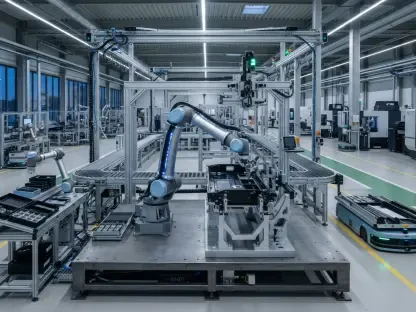
Meeting the evolving demands of international markets, especially within the rapidly growing health sectors of Asia, requires a sophisticated manufacturing infrastructure that can adapt to high volumes. The HTL8 unit was designed specifically to facilitate this global reach by utilizing cutting-edge robotics and real-time monitoring systems to maintain batch consistency. This technological edge allows the organization to fulfill large-scale orders while adhering to the diverse regulatory requirements of different countries. As medical aesthetics and regenerative procedures become more mainstream, the availability of purified polynucleotides serves as a foundation for innovation among pharmaceutical developers. The ability to produce these materials at an industrial scale ensures that new therapies can transition from the laboratory to the clinic more efficiently. This focus on industrial excellence ensures that the benefits of regenerative medicine are accessible to a broader patient demographic, driving progress across the entire life sciences industry.
Industry leaders recognized that the successful implementation of these advanced biopolymer platforms necessitated a shift toward proactive clinical integration and specialized practitioner training. Clinical teams were encouraged to adopt standardized protocols that combined polynucleotides with other biocompatible agents to maximize patient recovery times in both aesthetic and surgical settings. By prioritizing the use of ethically sourced materials, medical organizations not only improved their therapeutic outcomes but also enhanced their reputations for responsible innovation. Researchers focused on exploring new delivery methods, such as bio-inspired scaffolds, to further extend the practical applications of these purified DNA chains. The transition toward these next-generation treatments required stakeholders to invest in the necessary infrastructure and educational resources to secure a competitive advantage. This strategic alignment between manufacturing capacity and clinical application established a robust framework for the continued evolution of global healthcare standards.