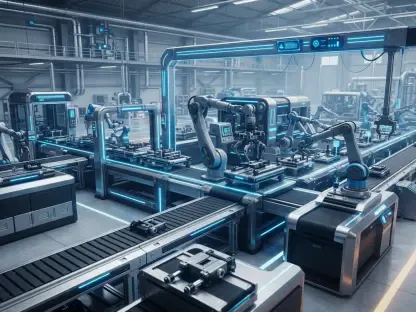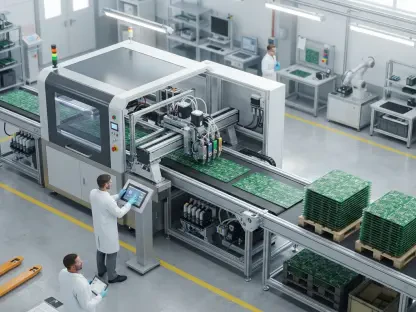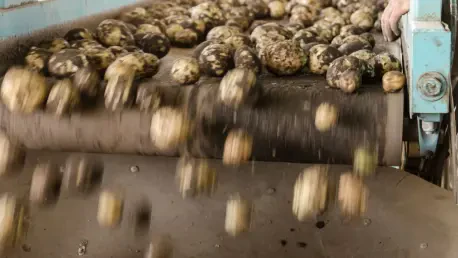

Providing technical documentation in both English and Russian proved essential for facilitating clear communication between equipment suppliers and local producers. This strategic decision by Shandong Sensitar Industrial Equipment Co., Ltd. during the AGROPRODMASH exhibition in Moscow emphasized the importance of overcoming linguistic barriers in the food manufacturing sector. As demand for processed potato products increases throughout the region, manufacturers are searching for machinery capable of handling high volumes with precision. The exhibition provided a vital platform for decision-makers to evaluate advanced technologies for deep processing, covering everything from cleaning to the final packaging stage. By presenting a full suite of solutions, the company showed how modern engineering transforms raw tubers into high-value products like frozen fries. This presence highlights a shift toward automation within the local agricultural landscape, ensuring that factories remain competitive in a rapidly evolving global market.
Advanced Engineering for Tuber Transformation
The core technology showcased involves high-performance hardware like hydro cutters and steam peelers, which are essential for protecting the structural integrity of the potato. Hydro cutting systems utilize water pressure to send potatoes through stationary blades, ensuring uniform cuts for French fries with minimal waste. Meanwhile, steam peeling provides a precise way to remove skins without damaging the flesh, which is vital for yield optimization in large-scale facilities. Beyond the first processing steps, drum dryers and vertical packing units complete the line, allowing for the creation of potato flakes and chips with consistent texture. These machines are built from food-grade stainless steel, meeting the strict hygiene standards required for international safety certification. By using these systems, processors achieve a workflow that reduces labor and lowers contamination risks. This level of technical sophistication allows local producers to meet the rising quality expectations of consumers.
Modularity is a standout feature of these technical solutions, offering a flexible path for businesses to grow according to market demand. Smaller companies can start with standalone units, such as a slicer or a drying oven, and later integrate more parts into a fully automated line. This scalable design supports capacities from 500 kilograms per hour up to 10 tons per hour, making it suitable for various business sizes. Such versatility ensures that investment remains manageable while allowing for expansion as market share grows. The ability to adapt to different raw material qualities is another advantage, as equipment settings can be adjusted for various potato varieties with different starch levels. This technical flexibility ensures that the final product, whether a crispy chip or a light flake, maintains the high quality expected from top brands. Integrating these modular systems helps manufacturers respond quickly to changing consumer trends without requiring a complete overhaul of their factory floor.
Strategic Integration and Regional Market Expansion
Success in the potato sector requires more than just hardware; it needs a solid framework for technical support and planning. One-on-one consultations during the event focused on adapting machinery to local operational environments, including specialized power needs and environmental conditions. Establishing reliable after-sales service is a top priority for manufacturers who cannot afford downtime in high-capacity plants. Discussions highlighted the need for spare parts networks and training for local technicians to ensure long-term resilience. Industry forecasts for the period from 2026 to 2028 suggest that the regional market is growing, driven by a desire to replace old, inefficient equipment with automated solutions that lower costs. By offering end-to-end support, from facility design to commissioning, the supplier positions itself as a partner in modernization. This collaborative approach builds trust and ensures that new technology is used effectively to maximize output while maintaining standards.
Producers seeking to capitalize on this technological shift prioritized the implementation of integrated automation to mitigate rising labor costs and improve product consistency. The transition toward turn-key production lines offered a clear roadmap for achieving economies of scale while adhering to stringent international food quality standards. Industry leaders focused on securing comprehensive service agreements that included remote diagnostic capabilities and rapid response protocols for maintenance. It was recognized that the successful deployment of these systems required a deep understanding of local raw material characteristics and consumer preferences. Consequently, manufacturers began investing in pilot programs to test equipment performance under varying seasonal conditions before committing to full-scale upgrades. These proactive measures ensured that the supply chain remained resilient against market fluctuations. Future growth in the sector was ultimately tied to the ability of processors to maintain high throughput while reducing energy consumption levels.