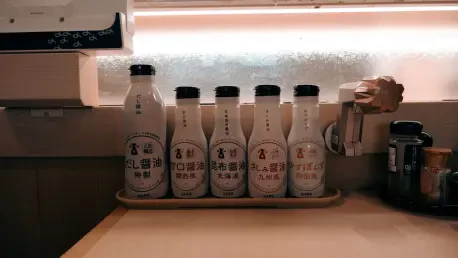

Deep within the silent, earthenware vessels tucked away in the courtyards of the Korean peninsula lies a biological alchemy that has sustained a nation for millennia. At the heart of the Korean kitchen lies a collection of fermented ingredients known collectively as jang, a term that encompasses essential pastes and sauces like soybean paste, soy sauce, and red chili paste. These substances are not merely condiments but are the foundational building blocks of flavor profiles that define the national identity. The production of jang is a slow, meticulous process that often takes months or even years to complete, representing a sophisticated intersection of agricultural timing, household wisdom, and environmental management. By allowing raw ingredients to mature under highly controlled conditions, Korean households create a pantry that is essentially a living archive of flavors. Some families even maintain batches of soy sauce that have aged for several decades, preserving a liquid history that connects generations through a shared and evolving palate.
Surviving Harsh Winters Through Ancient Preservation
The development of fermentation in Korea was primarily a practical response to the peninsula’s geography and climate, which often presented significant challenges to food security. With long, harsh winters, particularly in the mountainous and northern territories, fresh produce was essentially unavailable for large portions of the year. Fermentation emerged as a vital technology that allowed families to preserve vegetables and legumes long after the harvest season ended. This necessity birthed a culture of preservation that values the transformation of raw ingredients through time and microbial action rather than immediate consumption. By harnessing the power of nature, early Koreans developed methods to ensure their survival through the leanest months of the year. This approach was not just about staving off hunger but about mastering the environment in a way that maximized every available resource. This practical ingenuity eventually became a cornerstone of the cultural heritage, blending survival with a deep respect for natural cycles.
Rather than merely preventing spoilage, these fermentation methods enhance the nutritional profile and complexity of the food, turning simple ingredients into deeply savory staples. The process of microbial breakdown increases the bioavailability of nutrients, providing essential vitamins and enzymes that were historically difficult to obtain during the winter months. Simple soybeans and vegetables are transformed into umami-rich components that provide the depth of flavor characterizing the nation’s cuisine today. This transition from a survival strategy to a sophisticated culinary art reflects a deep understanding of biochemistry, even before such terms existed. The slow maturation process allows for the development of complex aromatic compounds that cannot be replicated through fast cooking methods. Consequently, the resulting products are not just food items but are concentrated sources of health and flavor that have anchored the diet for centuries, establishing a legacy of wellness and taste that remains vibrant in the current era.
Strengthening Community Ties Through Traditional Kimjang
While foundational sauces provide depth, kimchi represents the pinnacle of fermented vegetable preparation and acts as an essential daily side dish. The tradition includes a vast array of vegetables, such as radishes, cucumbers, and mustard greens, with recipes often remaining idiosyncratic to specific households. This culinary diversity is matched by the social dimension of kimjang, a collective tradition where neighborhoods gather to prepare massive quantities of kimchi for the winter. This practice emphasizes mutual aid and the intergenerational exchange of knowledge, as recognized by UNESCO’s heritage designations. The technical success of these efforts often depends on onggi, specialized earthenware vessels whose porous walls allow the food to “breathe” while regulating moisture and temperature. This marriage of communal labor and specialized material culture ensures that the food is not just preserved but refined, reflecting a social structure that values cooperation as much as technical precision and environmental harmony.
As the culinary landscape reached 2026, the tradition of home fermentation persisted by adapting to the demands of contemporary urban life. Modern stakeholders successfully integrated traditional artisanal methods with high-tech monitoring systems, ensuring that the integrity of jang remained uncompromised. This hybrid approach allowed younger generations to engage with ancestral practices through community-led workshops and school programs, which shifted the focus toward food sovereignty and health. Actionable strategies were implemented to protect small-scale producers, providing them with resources to maintain onggi production and traditional aging processes. By viewing these ancient techniques as forward-looking solutions rather than static relics, the nation addressed modern concerns regarding gut health and ecological sustainability. These efforts established a definitive roadmap for other cultures seeking to protect their heritage, proving that ancient biological wisdom provided the key to a resilient future.