
The global agricultural sector is reaching a critical tipping point where the sheer volume of conventional fertilizer application no longer translates to proportional increases in crop productivity or environmental stability. Traditional farming methods are currently struggling to keep pace with the nutritional demands of high-yield crop varieties while simultaneously managing a severe decline in soil health. Specialty fertilizer technology represents a sophisticated response to this crisis, offering a precision-based framework that shifts the focus from bulk application to nutrient bioavailability. By integrating advanced molecular delivery systems with biological catalysts, this technological movement aligns with the broader objectives of Agriculture 4.0, seeking to optimize resource use while mitigating the ecological footprint of intensive cultivation.
The fundamental premise of specialty nutrition is to correct the inherent inefficiencies found in standard nitrogen, phosphate, and potash applications. Historically, a significant portion of applied fertilizers was lost to leaching or atmospheric volatilization, but these advanced systems are designed to deliver nutrients exactly where and when the plant requires them. This review explores the technical architecture of these products, analyzing their role in modernizing agricultural policy and practice to ensure a more resilient food production system.
Core Technical Components of Specialty Fertilizers
The shift toward specialty systems is centered on overcoming the limitations of soil chemistry and plant physiology. Traditional granular fertilizers often suffer from poor absorption rates because they rely on bulk solubility, which can be easily disrupted by soil pH or moisture fluctuations. In contrast, specialty technology utilizes specialized delivery mechanisms that ensure nutrients remain in a state that the plant can readily ingest, regardless of external environmental stressors. This technical transition is not merely an incremental improvement but a radical redesign of how mineral elements interact with the rhizosphere.
By prioritizing nutrient use efficiency, these technologies help reduce the total volume of chemical inputs required for a successful harvest. This is particularly vital in regions where soil degradation has made traditional fertilization increasingly ineffective. The core technical strategy involves creating a more direct pathway between the product and the plant cell, which effectively bypasses many of the biological and chemical barriers that typically lead to nutrient waste and environmental contamination.
Nano-Fertilizers and Liquid Nutrient Formulations
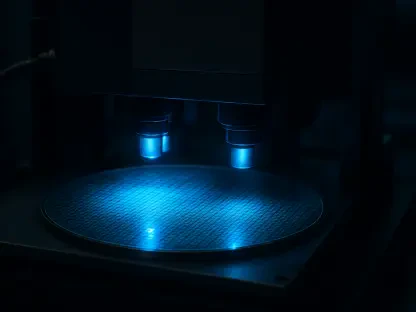
Nano-fertilizer technology functions by utilizing engineered particles that operate at the molecular level, providing a massive increase in surface area compared to standard granules. This high surface-to-volume ratio allows for more efficient interaction with plant roots and foliage, facilitating rapid absorption and translocation within the plant vascular system. Unlike bulk fertilizers that might sit in the soil for days before becoming available, nano-formulations offer a high degree of precision, ensuring that the nutrient load is delivered directly to the target tissues with minimal environmental runoff.
Liquid and water-soluble formulations complement these nano-scale benefits by enabling a sophisticated delivery method known as fertigation. This process integrates nutrient application directly into irrigation systems, allowing farmers to provide hydration and nutrition simultaneously. This integration is a crucial component of resource optimization, as it allows for the fine-tuning of nutrient concentrations in real-time. By applying nutrients in a liquid state, growers can ensure uniform distribution across the field, preventing the uneven “hot spots” of chemical concentration that are common with traditional mechanical spreaders.
Biostimulants and Chelated Micronutrients
Biostimulants represent a specialized category of technology that goes beyond simple nutrition by acting as metabolic triggers for the plant. These substances, which often include seaweed extracts or microbial inoculants, do not provide nutrients directly but instead stimulate the natural processes that enhance nutrient uptake and stress tolerance. When a plant is treated with biostimulants, its root system often becomes more robust and expansive, allowing it to explore a larger volume of soil for existing resources. This technological synergy is essential for maintaining productivity in depleted soils where plants might otherwise struggle to survive.
The efficacy of these biological triggers is frequently enhanced through the use of chelated micronutrients. In many soil environments, essential minerals like zinc, iron, and boron become chemically “locked” to soil particles, making them unavailable to the plant. Chelation involves wrapping these mineral ions in a protective organic molecule, preventing them from reacting with the soil. This ensures that the micronutrients remain bioavailable until they reach the root surface. This level of chemical engineering allows for the correction of specific deficiencies that are often overlooked in bulk fertilization programs, ultimately leading to higher crop quality and improved metabolic health.
Emerging Trends and Technological Innovations
The landscape of crop nutrition is currently undergoing a digital transformation as Artificial Intelligence and Machine Learning are integrated into fertilization schedules. These tools analyze vast datasets, including soil moisture levels, historical yield patterns, and real-time weather forecasts, to generate “need-based” application maps. This shift moves the industry away from fixed calendar applications toward a dynamic model where nutrients are deployed only when a specific deficit is detected. Furthermore, the evolution of the Integrated Fertiliser Management System is beginning to incorporate these specialty products into mainstream tracking, ensuring that high-efficiency nutrients are available through the same logistical channels as subsidized bulk commodities.
Industry behavior is also shifting toward the development of hybrid products that combine synthetic nutrients with organic bases. This trend reflects a growing demand for “biological-synthetic” solutions that offer the immediate impact of chemicals alongside the long-term soil conditioning benefits of organic matter. These innovations are being driven by a more ecologically conscious market and a regulatory environment that increasingly favors carbon-neutral farming practices. The goal is to create a closed-loop system where nutrient application contributes to a self-sustaining soil ecosystem rather than merely providing a temporary yield boost.
Practical Applications in Precision Agriculture
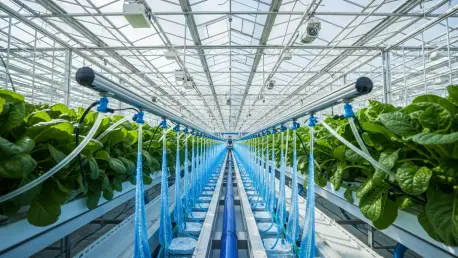
Specialty fertilizer technology is most effectively utilized in sectors where high-value crops demand rigorous quality control. In greenhouse environments and vertical farms, the ability to precisely control the nutrient profile of a crop is the difference between a high-premium product and a failed harvest. These technologies allow for the manipulation of specific plant traits, such as sugar content or shelf-life, by adjusting the ratio of micronutrients and biostimulants. This level of control is simply not possible with conventional bulk fertilizers, which lack the solubility and purity required for advanced hydroponic or aeroponic systems.
In open-field agriculture, the use of drones for the targeted aerial spraying of liquid specialty nutrients is becoming a standard practice. Drones equipped with multispectral sensors can identify patches of nutrient stress that are invisible to the naked eye and deploy a localized dose of liquid fertilizer to rectify the issue. This surgical approach reduces the overall chemical load on the field while ensuring that no part of the crop is left undernourished. The combination of drone hardware and specialty chemical software is a hallmark of modern precision farming, allowing for the management of vast acreage with the care of a small garden.
Challenges and Barriers to Widespread Adoption
Despite the clear performance advantages, the technology faces several systemic hurdles that prevent mass-market penetration. A primary obstacle is the significant subsidy imbalance found in many national agricultural policies, where heavy financial support for bulk fertilizers makes specialty products appear prohibitively expensive to smallholder farmers. When the price of traditional urea is artificially suppressed, the economic incentive to switch to a more efficient but higher-priced nano-fertilizer is greatly diminished. This market distortion often traps farmers in a cycle of over-applying cheap chemicals that provide diminishing returns over time.
Beyond economics, regulatory and infrastructural gaps remain significant. The approval process for new biostimulants and nano-formulations is often slow and complex, as many existing laws were written long before these technologies existed. Additionally, the lack of specialized “last-mile” infrastructure, such as liquid-compatible storage tanks and refrigerated transport for bio-fertilizers, limits the availability of these products in remote rural areas. Addressing these fiscal and logistical bottlenecks is essential if the benefits of specialty nutrition are to be realized by the global farming community at large.
Future Outlook and Global Impact
The path forward for specialty fertilizer technology is intrinsically linked to the growing global demand for food security. With projections suggesting that populations in major agricultural regions will reach 1.7 billion by 2050, the requirement for foodgrain production is expected to climb to 450 million tons. Meeting this target with current nutrient use efficiency rates would require a massive and potentially destructive increase in chemical applications. Future breakthroughs are expected to focus on smart-release coatings that only dissolve when they sense specific chemical signals from plant roots, ensuring zero waste.
Moreover, the integration of biological nitrogen fixation technology into specialty formulations could eventually reduce the reliance on synthetic nitrogen altogether. As research continues into the microbiome of the rhizosphere, we can expect the emergence of “designer” fertilizers tailored to specific soil types and crop varieties. These advancements will likely redefine the standard for sustainable intensification, allowing for higher productivity without the historical cost of soil degradation and water pollution. The long-term impact will be a more stable agricultural economy that is less vulnerable to the volatility of global chemical markets.
Conclusion and Strategic Assessment
The review of specialty fertilizer technology demonstrated that the transition toward precision-based nutrition was a strategic necessity rather than a peripheral luxury. It was evident that the existing reliance on bulk commodities failed to address the systemic nutrient imbalances and declining soil health that threatened long-term productivity. The analysis showed that by utilizing nano-scale delivery and biostimulant catalysts, the industry successfully created a framework for achieving high yields with significantly lower environmental impacts. Although the initial assessment highlighted that regulatory hurdles and subsidy distortions slowed adoption, the technological efficacy of these products remained undeniable.
Future considerations involved the urgent need for policy reform to equalize the market for specialty products and the expansion of digital infrastructure to support data-driven application. The findings suggested that as the global population approached critical thresholds, the role of high-efficiency fertilizers became the cornerstone of national food security strategies. Ultimately, the review indicated that the adoption of these technologies was the most viable pathway for preserving the economic and ecological integrity of the agricultural sector. The move toward specialty systems marked a decisive step in the evolution of farming, ensuring that nutrient management stayed aligned with the demands of a modern, resource-constrained world.