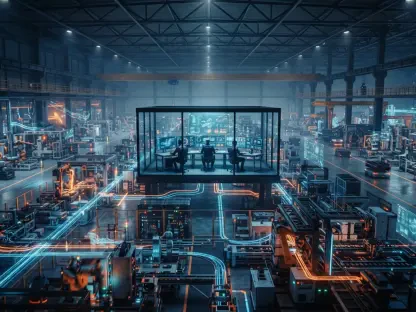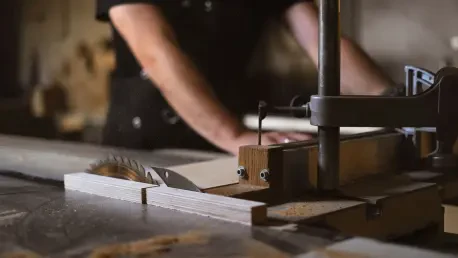

Steelcase currently maintains its global leadership position by generating approximately $3.2 billion in annual revenue through its specialized focus on the evolution of work environments. This financial success serves as a benchmark for an industry that has undergone a massive transformation, blending traditional Appalachian woodworking with high-tech industrial automation. The American furniture sector has successfully reclaimed its position in the global market by prioritizing domestic production and local supply chains, which has significantly reduced lead times for consumers. By focusing on high-quality materials and sustainable practices, these manufacturers have tapped into a growing consumer preference for longevity over the disposable nature of mass-market imports. The current landscape is defined by a sophisticated mix of contract furniture giants and residential powerhouses that together support hundreds of thousands of jobs across the Midwest and the Southern United States. This resurgence is bolstered by a $150 billion domestic market valuation, where technological integration in factories has allowed American labor to remain competitive against international counterparts while maintaining a standard of excellence that remains a global gold standard.
The Dominance of Office and Contract Environments
Following the massive merger that occurred in 2021, MillerKnoll has solidified its place as a leader in high-end design, boasting sales of roughly $3.6 billion while managing a portfolio of iconic pieces. The company represents the pinnacle of modern design, successfully transitioning from functional office equipment to furniture that is frequently viewed as museum-quality art. Their manufacturing operations remain heavily concentrated in Michigan and Wisconsin, ensuring that their high-design aesthetic is backed by skilled American labor. By collaborating with legendary designers, MillerKnoll has created a diverse product line that includes the world-renowned Eames Lounge Chair and the Aeron chair, both of which remain staples in corporate boardrooms and luxury home offices. Their ability to scale artistic vision into mass production without sacrificing the integrity of the original design has allowed them to capture a massive share of both the residential and contract markets. The strategic synergy between the two legacy brands has provided a blueprint for how heritage companies can evolve to meet the needs of a modern, flexible workforce.
Haworth Inc. and HNI Corporation round out the major players in the professional workspace arena, demonstrating the power of diverse business models in achieving long-term stability. Haworth, a family-owned powerhouse based in Holland, Michigan, has expanded its global reach by acquiring luxury European brands like Poltrona Frau, allowing it to compete in high-end lifestyle segments while maintaining a dominant share of the adaptable workspace market. With estimated revenues exceeding $2 billion, the company remains a primary private competitor that emphasizes research into how physical spaces impact human performance. Meanwhile, Iowa-based HNI Corporation utilizes a multi-brand strategy to capture diverse price points through well-known names like HON and Allsteel. This approach allows them to dominate everything from budget-conscious workstations to executive-level suites. Notably, HNI has diversified its revenue streams by entering the residential hearth market, providing a critical financial buffer against fluctuations in the commercial office sector. This diversification has proven essential for maintaining consistent growth and ensuring that the company remains a central pillar of the Midwestern manufacturing economy.
Residential Powerhouses and the Vertical Integration Model
In the residential furniture sector, the primary theme is the sheer scale of operations and the efficiency of logistics. Ashley Furniture Industries, headquartered in Arcadia, Wisconsin, remains the undisputed leader in this category, generating over $6 billion in annual sales. Their success stems from a highly automated, vertically integrated model that allows them to control every step of the process, from the initial sourcing of raw materials to the final delivery at a customer’s home. By operating their own massive fleet of delivery trucks and managing over 1,000 retail showrooms globally, Ashley achieves a level of price competitiveness and distribution speed that defines the mid-market segment. Their facilities are among the most technologically advanced in the world, utilizing robotics and AI-driven inventory management to maximize output. This focus on industrial scale has made them a dominant force, yet they continue to invest heavily in domestic manufacturing capacity, ensuring that a significant portion of their global volume is produced within the United States.
Ethan Allen Interiors offers a different perspective on the vertical integration model by focusing on personalized design and premium domestic craftsmanship. While their revenue of approximately $700 million is smaller than the mass-market giants, their commitment to American manufacturing is arguably more pronounced in its focus on quality over quantity. Ethan Allen manages nine manufacturing facilities across states like Vermont, North Carolina, and New Jersey, where a vast majority of their wood furniture and upholstery is produced. Their business model prioritizes a personalized design center experience, where customers can customize pieces to their specific aesthetic preferences. This strategy has successfully positioned Ethan Allen as a high-end, American-made alternative to mass-market retailers. By maintaining control over their own manufacturing and retail channels, they ensure a consistent brand experience and a level of quality control that is difficult to achieve through outsourcing. Their success highlights a growing segment of the market that values the connection between the artisan and the final product in the home.
Engineering Specialized Comfort and Upholstery
The American furniture industry is also defined by specialized engineering, particularly in the realm of motion furniture and high-durability upholstery. La-Z-Boy Incorporated remains one of the most recognized brand names in the country, boasting nearly 90% brand awareness among American consumers. With annual revenues hovering around $2 billion, the Michigan-based company continues to manufacture a significant portion of its famous recliners in large-scale facilities in Tennessee and Mississippi. Their business model is a successful hybrid of domestic production and a vast, dedicated retail network known as La-Z-Boy Furniture Galleries. This vertical integration ensures they maintain absolute control over the customer experience and after-sales service. By focusing on the engineering of comfort, the company has patented numerous mechanisms that provide a unique selling proposition in a crowded market. Their ability to evolve from a single-product company into a full-room furniture provider while maintaining their heritage of reclining comfort has been central to their sustained relevance in the modern home.
Flexsteel Industries and Bassett Furniture represent the longevity and resilience of the Iowa and Virginia manufacturing traditions, respectively. Flexsteel, founded in 1893, is best known for its “Blue Steel Spring” technology, a patented engineering feature that has provided a unique durability advantage for over a century. With over $400 million in revenue, Flexsteel bridges the gap between residential comfort and specialized contract seating for the healthcare and hospitality industries. On the other hand, Bassett Furniture Industries, established in 1902, has successfully pivoted to a custom-upholstery model that allows consumers to personalize American-made pieces through a network of more than 90 retail locations. This pivot was a strategic response to the changing demands of the modern consumer, who seeks a blend of heritage quality and contemporary customization. By maintaining manufacturing hubs in the American South, Bassett leverages a deep pool of skilled labor that has been passed down through generations. These companies prove that a focus on specialized engineering and regional craft can create a lasting competitive edge in a globalized economy.
Regional Craftsmanship and Sustainable Material Sourcing
Vaughan-Bassett Furniture Company occupies a vital niche as the largest domestic manufacturer of wooden bedroom furniture, making “Made in America” its central marketing pillar. Based in Galax, Virginia, with over $100 million in revenue, the company has demonstrated that wooden furniture production can thrive in the United States when backed by a localized supply chain. By sourcing timber from sustainable Appalachian forests, they have created a production cycle that is both environmentally conscious and economically resilient. Their focus on bedroom furniture allows for a level of specialization and quality control that broader manufacturers often lack. This commitment to sustainability and local sourcing has resonated deeply with modern consumers who are increasingly wary of the environmental impact of long-distance shipping. Vaughan-Bassett’s success is a testament to the viability of regional manufacturing clusters, where the proximity of raw materials to the factory floor creates an efficient and sustainable business model that supports the local community and the broader domestic economy.
The overarching economic impact of these top ten manufacturers extends far beyond their individual balance sheets, as they create a “hub effect” in states like Michigan, North Carolina, and Virginia. These regional clusters allow for a shared labor pool of highly skilled artisans and engineers, fostering an environment where innovation can flourish through proximity. The shared supply chains, including specialized hardware manufacturers and textile mills, create a robust industrial ecosystem that is difficult for international competitors to replicate. Furthermore, the strategic consolidation seen in the industry, such as the merger of Herman Miller and Knoll, has allowed these firms to expand their global reach while keeping their core manufacturing footprints firmly rooted in the United States. This blend of global ambition and local commitment has redefined what it means to be an American manufacturer in the modern era. The industry’s ability to pivot between residential and contract markets ensures stability regardless of economic shifts, making these companies essential pillars of the national manufacturing landscape.
Strategic Evolution of the American Manufacturing Sector
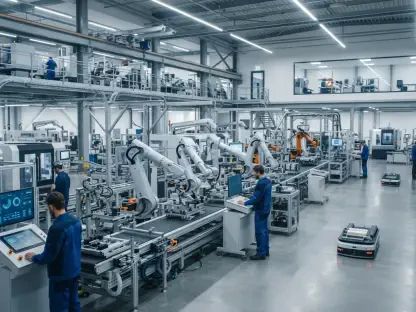
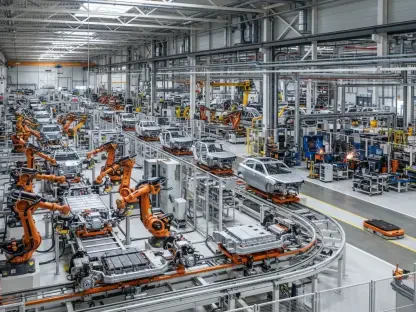
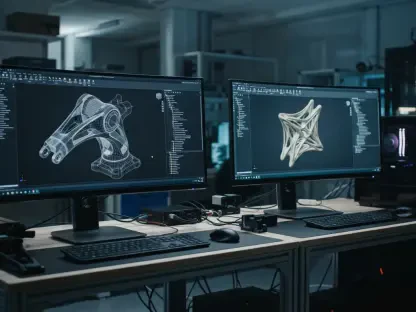
The transformation of the American furniture industry was characterized by a fundamental shift toward digital integration and supply chain autonomy. Leading manufacturers recognized that the previous reliance on distant production centers created unacceptable risks, prompting a significant investment in domestic facilities that utilized advanced robotics to offset higher labor costs. This strategic move allowed firms to maintain a premium on “American Made” labels while achieving the price points necessary to compete with imports. The most successful organizations were those that treated their physical factories as laboratories for innovation, implementing 3D modeling and automated cutting systems that reduced waste and increased precision. By focusing on the high-end and custom segments of the market, these companies successfully insulated themselves from the volatility of the global economy. This period of growth was not merely about reclaiming lost ground but about setting a new standard for industrial excellence that combined heritage craftsmanship with the efficiency of the digital age.
The industry benefited from a renewed focus on circular economy principles and material transparency, which became a core expectation for the modern consumer base. Manufacturers that prioritized the use of non-toxic finishes, sustainably harvested hardwoods, and recyclable upholstery fabrics found themselves at a significant competitive advantage. For companies looking to maintain their leadership positions, the integration of smart home technologies into traditional furniture designs represented the next logical step in product development. This evolution required a workforce that was as comfortable with software as they were with saws, leading to a revitalization of vocational training programs in traditional manufacturing states. As these firms moved forward, they embraced a model of distributed manufacturing that allowed for even faster delivery times and a smaller carbon footprint. The path toward future success was paved by those who understood that the value of a piece of furniture was determined not just by its price, but by the story of its creation and the longevity of its performance in the home or office.