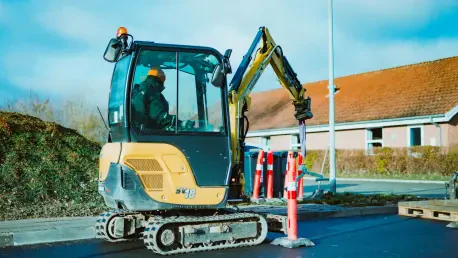

The strategic stocking of augers and breakers allows dealers to better serve the immediate needs of fence contractors and demolition crews. As the final months of 2026 approach, the construction equipment landscape undergoes a profound transformation that requires more than just standard end-of-year sales tactics. Dealerships specializing in compact machinery must recognize that the fourth quarter acts as a crucial bridge between current operational demands and future fiscal stability. During this window, professional contractors are often operating at peak capacity, pushing to complete infrastructure projects before the arrival of harsh weather conditions. Simultaneously, procurement officers at major rental firms are scrutinizing fleet utilization data to determine where gaps exist in their offerings. By shifting away from a reactive model of inventory management, dealers can position themselves as essential partners in their clients’ success rather than just equipment vendors. This transition requires a deep dive into the specific data points generated over the past year to identify which machine configurations performed best and where market demand is likely to shift as regional development priorities change. The ability to synchronize a business model with these evolving requirements becomes the defining characteristic of a market-leading dealership in the current economic climate.
Analyzing Market Dynamics: Segmenting the B2B Customer Base
A successful fourth-quarter strategy hinges on the ability to perform nuanced customer profiling, moving beyond broad categories to understand the granular needs of various professional sectors. The mini excavator market is remarkably diverse, and identifying the specific drivers for each segment allows for much more targeted procurement. Trenching and utility contractors, for instance, frequently prioritize high-efficiency excavation and hydraulic reliability to meet strict project timelines. Their demand is typically driven by large-scale infrastructure developments and the expansion of fiber-optic networks, making them a consistent source of revenue for dealers who can guarantee machine uptime. In contrast, landscaping and hardscape professionals require machines that combine power with a compact footprint to navigate tight residential or commercial spaces without causing excessive ground disturbance. By analyzing the volume of inquiries from these specific groups, a dealer can tailor their inventory to ensure the right machines are available exactly when the market demands them, rather than relying on a generalized stock that might not meet localized needs.
Beyond the urban construction sectors, dealers must also account for the significant influence of agricultural property owners and the ever-expanding equipment rental market. In rural regions, mini excavators have become indispensable tools for property maintenance, drainage management, and the installation of extensive fencing systems. These users often look for versatility and ease of operation, which differs significantly from the specialized requirements of a commercial demolition crew. Meanwhile, rental companies remain one of the most critical B2B segments, as they seek general-use machines that are simple to maintain and compatible with a wide range of standard attachments. Understanding the specific economic drivers of a region—whether it is a surge in suburban housing development or a rise in small-scale agricultural investments—enables a dealer to refine their Q4 procurement strategy. This level of segmentation ensures that capital is not tied up in slow-moving inventory but is instead invested in the machinery and configurations that offer the highest probability of rapid turnover and sustained client satisfaction.
Inventory Precision: Optimizing Product Mix and the Attachment Ecosystem
The consensus among industry experts during the 2026 fiscal year is that a one-size-fits-all approach to inventory is no longer a viable strategy for compact equipment dealers. As the market matures, customers are becoming increasingly specific about machine weight classes and digging depths, necessitating a rigorous review of demand trends during the final quarter. Dealers should evaluate whether their local market is gravitating toward ultra-compact models designed for indoor demolition and narrow-access sites or if there is a growing need for larger mini excavators that provide the hydraulic flow necessary for heavy-duty attachments. This evaluation process involves looking at historical sales data and current project permit filings to anticipate where the bulk of the work will occur in the coming seasons. By aligning the floor stock with these specific requirements, a dealership can minimize the time a machine spends on the lot and ensure that they are meeting the actual operational needs of their professional clientele.
Complementing the machine inventory is the vital concept of the attachment ecosystem, which serves as a powerful force multiplier for both the dealer and the end-user. Attachments should not be viewed as secondary accessories but as fundamental components of the machine’s value proposition that can transform a standard excavator into a specialized tool for dozens of different applications. During the Q4 planning phase, dealers are encouraged to build a robust supply of frequently requested items such as grading buckets, rakes, and hydraulic grapples. For instance, a dealer located in a region with high forestry or land-clearing activity would benefit significantly from stocking specialized thumbs and brush cutters. This strategic focus on the attachment ecosystem allows a dealer to provide a comprehensive solution to their customers, increasing the likelihood of a sale while also opening up additional revenue streams through the sale of specialized tools. By maintaining a ready supply of these high-demand items, the dealership enhances its reputation as a one-stop shop for professional contractors.
Operational Resilience: Strengthening Aftermarket Support and Parts Availability
A fundamental principle of modern equipment dealership management is the understanding that the initial sale of a machine is merely the beginning of a long-term B2B relationship. In the professional construction and rental sectors, equipment downtime is more than just an inconvenience; it represents a direct and often substantial loss of revenue. Consequently, a dealer’s growth strategy must prioritize a comprehensive plan for aftermarket support and technical assistance as part of their year-end preparations. This involves a thorough review of the past year’s service records to identify which wear parts and maintenance components were most in demand. By ensuring that items like filters, seals, and hydraulic hoses are stocked locally, a dealer can provide a level of responsiveness that sets them apart from competitors who may rely on distant distribution centers. This commitment to maintaining the “installed base” of machinery creates a cycle of trust and reliability that is essential for retaining high-value commercial clients.
The focus on uptime serves as a major competitive advantage, particularly when dealing with rental houses and large-scale contractors who operate on thin margins and tight schedules. During the fourth quarter, dealers should assess their technical support infrastructure to ensure it is capable of handling the increased maintenance demands that come with a growing fleet of machines in the field. This might include investing in additional technician training or upgrading diagnostic software to provide faster and more accurate repairs. When a dealer can demonstrate a proven track record of keeping machines operational through immediate parts availability and expert service, the initial purchase price of the equipment becomes a secondary consideration for many buyers. In the 2026 market, the value of a reliable service partner cannot be overstated, and the dealers who use the final months of the year to solidify these operations will find themselves much better positioned to capture and keep market share.
Partnership Integration: Cultivating Long-Term B2B Relationships and Supplier Synergy
The fourth quarter is an ideal window for shifting from traditional sales tactics to a consultative approach that emphasizes long-term partnership and fleet planning. Instead of focusing on quick, high-volume transactions driven by heavy discounting, successful dealers use this time to engage in deep conversations with their existing clients about their goals for the upcoming year. For a rental company, this might involve a discussion about fleet expansion or the replacement of aging units with newer, more efficient models. For a contractor, it could mean identifying the specific types of projects they have in the pipeline and ensuring the dealership has the necessary machinery and attachments ready for deployment. This proactive engagement positions the dealer as a strategic advisor who is invested in the customer’s growth, fostering a level of loyalty that is much harder for competitors to disrupt through pricing alone.
Furthermore, maintaining operational diligence with international manufacturers, such as the Rippa Group, is essential for ensuring that the inventory arrival aligns perfectly with the peak buying season in the spring. Because compact machinery often requires specific configurations or travels through complex global logistics chains, the fourth quarter is the time to finalize technical specifications and verify compatibility. Dealers must work closely with their suppliers to confirm that the machines meet all local regulatory standards and that the attachment quick-couplers are perfectly matched to the hydraulic flow of the specific models being ordered. This level of coordination prevents costly inventory-application mismatches and ensures that the dealer is not caught with the wrong equipment when demand spikes. By solidifying logistics, warranty terms, and technical support processes during the planning phase, a dealership can operate with much greater confidence and efficiency throughout the remainder of the fiscal year.
Strategic Execution: Actionable Next Steps for Market Success
The most successful dealerships in the compact equipment sector recognized that the final months of 2026 were a time for rigorous data analysis and the implementation of solution-oriented business models. They moved away from generalized marketing and instead focused on the specific needs of regional contractors, ensuring that every machine on the lot served a documented purpose. These organizations prioritized the development of localized parts hubs and invested in technician certifications, which allowed them to offer guaranteed uptime to their most valuable B2B clients. By documenting the most frequent points of failure and the most requested maintenance items over the previous twelve months, these dealers created an aftermarket infrastructure that was both resilient and highly profitable. This transition from a simple equipment vendor to a comprehensive solutions provider proved to be the most effective way to secure long-term contracts and build a loyal customer base.
In addition to internal operational improvements, market leaders successfully integrated their planning processes with their global supply chains to ensure a seamless flow of inventory. They engaged in detailed fleet planning sessions with rental companies and large-scale developers, allowing them to provide accurate lead times and customized machine configurations that met the exact demands of the field. This strategic foresight meant that when the first quarter of the new fiscal year arrived, these dealers were not struggling to find equipment but were already deploying pre-sold units to their partners. The emphasis was placed on the total cost of ownership and the quality of the support network, rather than just the upfront purchase price. This approach not only increased the average transaction value but also solidified the dealership’s reputation as an industry leader capable of supporting the complex needs of modern construction and infrastructure projects.