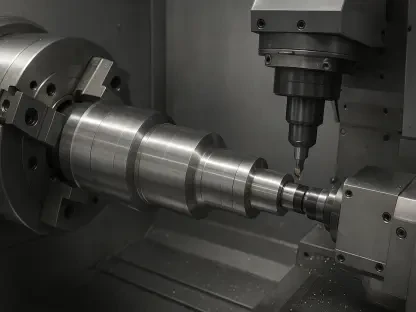

Artificial intelligence serves as a sophisticated librarian for technical documentation but lacks the ability to experience the physical nuances of machinery. In the industrial landscape of 2026, the rapid integration of large language models and predictive analytics has fundamentally altered how manufacturing facilities operate. Engineers now rely on algorithms to scan millions of data points to predict bearing failures or optimize energy consumption across a sprawling plant. However, a significant tension remains at the heart of this technological shift: the distinction between digital information and true institutional knowledge. While a machine can memorize every manual ever written for a CNC lathe, it cannot replicate the intuitive understanding of a machinist who knows, by the specific pitch of a spindle, that a tool bit is about to fracture. This human-centric expertise, often referred to as tribal knowledge, represents the final frontier that AI has yet to conquer. It is the cumulative result of decades spent on the shop floor, where trial, error, and the physical reality of metallurgy create a depth of understanding that transcends simple data patterns. As companies look to the future, the challenge lies not in replacing the human expert, but in determining how to capture and scale the ephemeral wisdom that defines operational excellence in a competitive global market.
The Human Foundation of Industrial Expertise
The Evolution of Tribal Knowledge
Institutional knowledge begins as a lived experience long before it is ever codified into a standard operating procedure or a digital database. In many 2026 manufacturing hubs, the most valuable insights are those that have never been written down; they are the “tricks of the trade” passed from mentor to apprentice through observation and repetition. For instance, a veteran operator might understand that a specific hydraulic press requires a longer warm-up period on humid days, even if the manufacturer’s technical specifications claim the environment is within nominal limits. This level of granularity is born from thousands of hours of interaction with physical assets, creating a mental map of machine behavior that no sensor array can fully document. AI excels at identifying correlations within the data it is provided, but it remains blind to the variables that humans haven’t yet thought to measure. Consequently, the “gut feeling” of a seasoned technician is actually a highly sophisticated, subconscious form of pattern recognition that identifies mechanical anomalies before they manifest as data points in a monitoring system.
Turning these raw observations into sophisticated best practices is a labor-intensive process that forms the backbone of a company’s competitive advantage. When a human worker encounters a novel problem on the assembly line, they do not simply look for a matching error code in a database. Instead, they synthesize their historical knowledge of the machine’s quirks, the material properties of the current batch, and the specific environmental conditions of the facility to forge a creative solution. Once this solution is proven effective, it is eventually documented and becomes part of the company’s formal training material. AI serves as a powerful organizer of this information once it is captured, but the generative act of solving a unique physical problem remains a purely human endeavor. Without the initial human-driven evolution of these processes, an AI system would be left to manage a static and potentially outdated set of instructions, lacking the dynamic adaptability required to handle the complexities of modern, high-precision manufacturing.
Bridging the Generational Workforce Gap
The manufacturing sector is currently navigating a period of profound transition as a generation of master machinists and senior engineers reaches the end of their careers. This demographic shift represents a massive potential loss of “informal” knowledge—the deep understanding of why certain design changes were made forty years ago or how legacy systems were modified to work with modern digital controllers. When these veterans walk out the door, they often take with them the only existing records of these modifications, leaving younger employees to struggle with equipment that no longer matches its original blueprints. In 2026, forward-thinking organizations are treating this “brain drain” as a critical operational risk, recognizing that the loss of tribal knowledge can lead to a significant drop in productivity and an increase in safety incidents. The challenge is to extract this wisdom in a way that is searchable and actionable, ensuring that the departure of a single individual does not result in the permanent loss of decades of localized expertise.
Artificial intelligence functions as a vital bridge during this generational handover by providing the tools necessary to digitize and connect disparate fragments of historical data. By using natural language processing to analyze decades of handwritten maintenance logs, shift reports, and engineering change notices, companies can create a unified digital thread that connects the past with the present. This technology allows a junior technician to query a system about a specific equipment failure and receive not just a standard repair manual, but also a summary of how a predecessor solved a similar issue in 1998. This capability dramatically shortens the learning curve for the incoming workforce, preventing them from repeating costly mistakes that were already solved years prior. Rather than replacing the expert, the AI acts as a vessel for the expert’s legacy, ensuring that hard-won lessons are preserved and accessible to those who will carry the industry forward into the next decade of production.
Real-World Lessons and Field Insights
Learning from Products in Service
Engineering knowledge does not stop at the factory gates; rather, it continues to evolve as products face the stresses of the real world. While modern manufacturers invest heavily in laboratory testing and digital twins, these controlled environments cannot fully replicate the sheer diversity of conditions a machine will face over its service life. A turbine operating in a high-humidity coastal environment will age very differently than the exact same model installed in an arid desert, and these differences only become apparent after years of continuous operation. In 2026, the focus has shifted toward capturing these “post-factory” insights to understand how equipment actually performs in the hands of the end-user. This field-based institutional knowledge provides a nuanced perspective on component durability and design flaws that original engineering specifications often overlook. It reveals which parts are over-engineered and which ones consistently fail under the unique workloads and maintenance schedules of different global clients.
Understanding the long-term performance of legacy equipment provides a competitive edge that cannot be replicated by companies that only focus on the initial sale. For example, by analyzing the repair history of a fleet of industrial cranes over thirty years, a company can identify specific structural points that are prone to fatigue, even if those points were deemed safe during the initial design phase. This historical perspective allows for the development of more accurate predictive maintenance schedules and informs the design of next-generation models. AI plays a crucial role here by sifting through massive amounts of field data to find the subtle signals of wear and tear that indicate a broader design issue. However, the interpretation of these signals still requires the human expert who understands the operational context—someone who knows that a specific failure was likely caused by a localized environmental factor rather than a fundamental flaw in the metallurgy. This synergy between field experience and data analysis creates a more resilient engineering foundation.
Integrating Field Insights into Design
The most valuable insights regarding product performance often come from field technicians and maintenance teams who live with the equipment daily. Historically, these practical observations remained informal, shared over coffee or in private notes, and rarely made it back to the design engineers at the corporate headquarters. In 2026, the industry has realized that this gap in communication represents a massive missed opportunity for product improvement. To address this, organizations are implementing technology-driven feedback loops that allow those on the front lines to contribute directly to the institutional knowledge base. When a maintenance worker discovers a more efficient way to calibrate a sensor or notices a recurring issue with a specific fastener, that information is now captured digitally and categorized. This ensures that the practical wisdom of the person holding the wrench is used to inform the computer-aided design models of the person sitting at a desk thousands of miles away.
This integration of field lessons into the production cycle allowed companies to eliminate unnecessary maintenance burdens that were previously accepted as “part of the job.” Leadership teams recognized that treating knowledge as a strategic asset required a shift in corporate culture where capturing the “why” behind a mechanical failure was just as important as the repair itself. Organizations that successfully bridged the gap between field operations and engineering departments saw a marked improvement in product reliability and customer satisfaction. They established formal mentorship programs where senior field staff worked alongside design teams to vet new concepts against real-world data. These initiatives ensured that the company’s collective memory became a permanent, evolving resource rather than a collection of silos. By the end of this period, the most successful manufacturers were those that had moved beyond seeing AI as a replacement for experts and instead utilized it to amplify the expertise of every employee across the global organization.