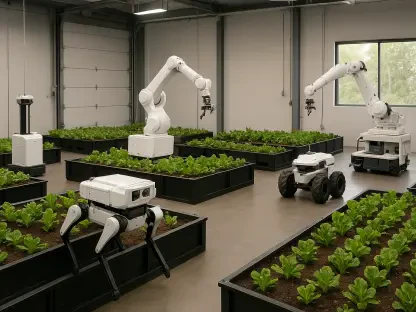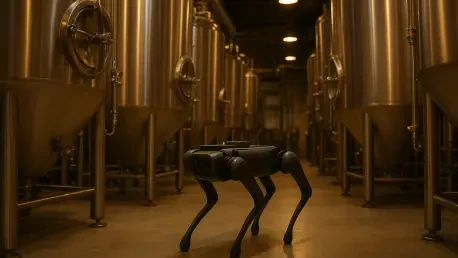

The partnership between Kirin Brewery and Tohoku Enterprise Co., Ltd. has facilitated the successful large-scale deployment of mobile robotics in a brewing environment. This initiative at the Chitose Plant represents a definitive shift toward fully integrated digital transformation within the beverage industry. As Japan faces a tightening labor market and the inevitable retirement of highly skilled veteran technicians, the need for consistent, automated monitoring has become paramount. By introducing quadruped robots into the daily workflow, the facility effectively addresses these demographic challenges while maintaining the high standards required for large-scale beer production. This technological integration is not merely about replacing human presence but rather about optimizing the workforce to ensure that specialized staff can focus on the sensory and qualitative aspects of brewing. The implementation marks a departure from traditional maintenance cycles, signaling a new era where autonomous systems provide the reliability necessary to sustain production 24/7 without fatigue.
Advanced Sensor Integration and Autonomous Navigation
At the heart of this operational shift is the utilization of Boston Dynamics’ Spot, which navigates five distinct routes encompassing over 100 critical pieces of machinery. Unlike stationary sensors that offer a limited perspective, these mobile platforms are equipped with a sophisticated payload including thermal imaging cameras, high-definition pan-tilt-zoom optics, and ultrasonic sensors. This suite of tools allows the robot to perform complex diagnostic tasks that previously required a technician’s physical presence and intuition. For instance, the robot can accurately read analog gauges, detect subtle air leaks through acoustic signatures, and identify abnormal heat patterns in rotating motors before a failure occurs. This proactive approach to equipment health is vital for preventing unscheduled downtime, which can be devastating in a continuous brewing cycle. By automating these repetitive patrol inspections, the facility projects a significant labor savings of approximately 650 hours annually, direct proof of efficiency.
Beyond the raw sensory data, the ability of these robots to traverse the complex and often wet terrain of a brewery is what sets them apart from traditional automated guided vehicles. The quadrupedal design ensures that stairs, narrow catwalks, and varying floor surfaces do not impede the progress of the inspection missions. This mobility is enhanced by the AutoWalk feature, which allows operators to record a path once and then leave the robot to execute the route autonomously with high precision. During these patrols, the system maintains a high degree of spatial awareness, using obstacle avoidance algorithms to navigate safely around human workers and moving machinery. Such reliability is crucial in a busy manufacturing environment where safety is the top priority. The integration of these robots ensures that every corner of the facility is monitored consistently, removing the variability that often comes with human-led inspections and providing a level of thoroughness that was previously unattainable at this scale.
Data Management and Strategic Future Implementation
To maximize the utility of the data collected during these autonomous patrols, the facility leverages the Boston Dynamics Orbit™ platform alongside the specialized AIMOS-DX solution. This digital infrastructure serves as the central nervous system for robotic operations, aggregating vast amounts of visual and telemetric data into a cohesive management interface. By moving away from manual, paper-based record-keeping, the plant has established a data-driven maintenance model that allows for precise historical analysis. Every inspection mission is logged, allowing engineers to track the gradual degradation of equipment over months rather than relying on point-in-time observations. This longitudinal data is processed through AI-driven analytics to generate automated reports, ensuring that the maintenance team receives actionable insights immediately. This level of transparency fosters a more responsive environment where repairs are scheduled based on actual wear and tear, effectively extending the lifecycle of expensive brewing apparatus.
Industrial leaders recognized that the true value of robotics rested in the ability to maintain operational excellence regardless of external labor fluctuations. The integration of specialized sensors proved that a mobile robot was only as effective as the data it could interpret and the systems that managed it. Stakeholders prioritized the development of interoperable software that bridged the gap between robotic hardware and legacy enterprise resource planning systems to ensure a smooth transition. This proactive approach ensured that the brewing industry remained competitive by embracing a culture of continuous innovation and technological resilience. Engineers found that the most successful implementations occurred when the workforce was actively involved in the training and supervision of the new robotic assets. Ultimately, the adoption of these platforms provided a scalable solution for facilities facing the dual pressures of maintaining high output and managing a shrinking talent pool. These organizations established a clear precedent for the future of automated maintenance.