
Bridging the gap between a risky prototype and a reliable physical reality requires a specialized workforce capable of solving complex structural puzzles. In the current industrial landscape, the transition from theoretical design to physical reality requires more than just advanced machinery. Future Advanced Manufacture, a leader in high-precision engineering based in Gloucestershire, demonstrates that the true driver of innovation is the synergy between cutting-edge technology and deep technical knowledge. By positioning itself as an innovation partner rather than a mere vendor, the firm addresses the complex needs of mission-critical sectors such as aerospace, defense, and medical technology. This approach ensures that the most ambitious engineering concepts are successfully translated into high-performance components. While automation is often cited as the future, the industry is seeing a renewed emphasis on human capital as a primary competitive advantage. The belief that machinery is a commodity while expertise is a unique asset guides the modern firm.
Prototyping Excellence: Scaling Concepts to Production
A significant challenge for many manufacturers is scaling a concept from a single prototype to high-volume production without losing quality or design integrity. Modern engineering firms solve this by offering a one-stop-shop model that spans the entire product lifecycle. This agility allows for flexible engineering, where designs can evolve and be optimized during the prototyping phase based on real-world data. By providing both the creativity of a boutique design house and the rigorous quality control of a large-scale manufacturer, these firms enable global companies to move seamlessly from initial ideas to market-ready products. The transition from a bespoke model to a production run requires a deep understanding of material stresses and manufacturing constraints that only experienced engineers can provide. This fluid development process reduces time-to-market and ensures that the final product is functional and manufacturable at scale. This integration is vital for industrial leaders to maintain a competitive edge.
Operational Security: Safeguarding High-Stakes Projects
The ability to operate in high-stakes environments also necessitates a rigorous commitment to security and compliance. For sectors like defense and space, technical capability must be matched by data integrity and administrative reliability. Certifications such as Cyber Essentials Plus have become essential, allowing firms to handle classified and sensitive government-level projects. This blend of physical manufacturing prowess and digital security ensures that innovation does not come at the cost of safety or national interest, reinforcing the firm’s position within the global supply chain. Beyond physical security, the protection of intellectual property through advanced cybersecurity measures is paramount. As manufacturing becomes increasingly digitized, the risk of industrial espionage grows, making robust security protocols a core component of the value proposition. Engineering expertise thus extends into the digital realm, where protecting the integrity of a design is as important as the precision of the cut.
Regional Excellence: The Aerospace Legacy in Gloucestershire
The regional identity of a manufacturing hub often dictates its standards of excellence, as seen in Gloucestershire’s century-long legacy in British aviation. Modern firms leverage this historical continuity, acting as torchbearers for precision and reliability. This heritage is best exemplified in long-term partnerships with aerospace manufacturers, where the development of next-generation aircraft components—such as advanced wing prototypes—requires extreme aerodynamic performance and structural integrity. These projects serve as a microcosm of the industry, showing how engineering expertise dictates the future of global transportation. By tapping into a local talent pool that has been refined over generations, companies can maintain a standard of craftsmanship that is difficult to replicate elsewhere. This deep-rooted expertise allows for the rapid resolution of complex aerodynamic challenges, ensuring that modern aircraft meet the safety requirements of the current decade. Heritage acts as a vital foundation for breakthroughs.
Technical Validation: The Three-Step Engineering Process
To ensure the success of these high-stakes projects, firms employ a rigorous three-step process: design finalization, precision execution, and exhaustive validation. Using Computer-Aided Design tools, engineers optimize the strength and performance of a part before a single cut is made. Five-axis machining then ensures that the component meets evolving specifications with pinpoint accuracy. Finally, advanced measurement tools provide the data-driven validation necessary to guarantee reliability in the field. This comprehensive approach proves that engineering expertise is the fundamental cog that allows the world’s most ambitious companies to turn risky ideas into physical realities. The validation phase is particularly critical, as it provides the empirical evidence needed to certify components for flight or medical use. Without this meticulous verification, even the most advanced designs remain theoretical. Precision engineering thus bridges the gap between imagination and implementation through disciplined methodology.
Human Intelligence: Prioritizing Expertise Over Automation
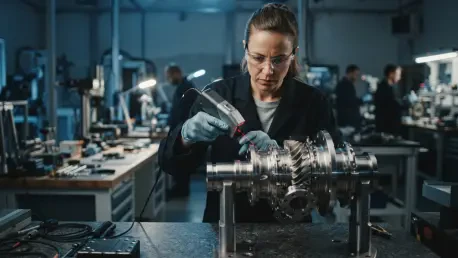
Skilled engineers, programmers, and project managers provide the collective intelligence necessary to solve intricate problems that standard automated systems cannot handle. This people-first philosophy ensures that complex projects receive the nuanced oversight required for precision execution, maintaining a level of quality that justifies the firm’s role as a trusted partner to global industrial titans. While software can simulate environments, it lacks the intuitive troubleshooting abilities of a veteran machinist who understands the subtle behavior of exotic alloys under stress. This human-centric approach allows for a level of customization and problem-solving that is essential when working on the frontier of technological advancement. As the industry evolves from 2026 toward 2028 and beyond, the ability to integrate human intuition with digital tools will remain the primary differentiator. Investing in specialized training ensures that the workforce can keep pace with the rapidly changing technical demands.
Future Considerations: Strengthening the Industrial Supply Chain
The evolution of manufacturing through 2026 demonstrated that technical expertise was the cornerstone of industrial growth. Leaders who prioritized the integration of prototyping and production cycles achieved faster innovation speeds and higher quality standards. To remain competitive, organizations should have invested in hybrid talent that combined traditional craftsmanship with advanced digital literacy. The focus shifted from acquiring more machines to cultivating the specialized knowledge required to operate them at peak performance levels. Strategic partnerships with engineering firms provided the necessary agility to navigate complex regulatory and security landscapes. Moving forward, the industry must emphasize sustainable development and the use of smart materials to meet future environmental targets. By fostering an environment where engineering expertise was treated as a strategic asset, manufacturers secured their roles in the global supply chain. This retrospective view confirms that success was built on the foundation of human intelligence.