
Site interoperability allows multiple facilities to function as a single integrated supply node, optimizing capacity utilization across an entire global network. This approach has become a cornerstone for biopharmaceutical companies looking to mitigate the risks inherent in traditional, isolated production models. In the current landscape of 2026, the demand for complex biologic therapies has reached unprecedented levels, necessitating a more robust and flexible manufacturing strategy. A landmark agreement valued at over €0.5 billion highlights this shift, as a major global pharmaceutical corporation has partnered with a prominent contract development and manufacturing organization to secure its commercial supply. By focusing on high-volume, single-use manufacturing across a dual-site global network, this partnership addresses the critical need for supply chain redundancy. The integration of facilities in Japan and Denmark provides a template for how the industry can navigate geopolitical shifts and logistical challenges while ensuring that life-saving medications remain available to patients worldwide.
Strategic Reliability: The Power of Site Interoperability
The strategic move toward high-volume biologics manufacturing is driven by a broader industry consensus that geographic concentration poses a significant threat to global drug security. By establishing a dual-site production model, manufacturers can effectively insulate themselves from localized disruptions, whether they stem from natural disasters, regulatory delays, or economic instability. This agreement effectively doubles the operational footprint for several key commercial programs, moving away from the single point of failure risk that has historically plagued the pharmaceutical supply chain. Leveraging a network that spans both Asia and Europe allows for a more dynamic allocation of resources, ensuring that capacity is utilized where it is most needed at any given time. As the sector continues to evolve, the ability to maintain a consistent supply through diversified manufacturing nodes is proving to be a decisive competitive advantage for companies aiming to capture market share in the rapidly expanding biologics space.
Geographic Flexibility: Optimizing Global Supply Nodes
Central to this geographic diversification is the allocation of eleven commercial programs between two major facilities: one in Yokohama, Japan, and the other in Copenhagen, Denmark. This arrangement builds upon an existing long-term partnership, with the Copenhagen site recently adding six additional programs to the five already managed in Yokohama. By distributing these high-volume programs across two continents, the pharmaceutical partner gains the ability to serve regional markets more efficiently while maintaining a unified global standard of quality. The Yokohama facility serves as a critical hub for the Asian market, while the Copenhagen site provides a gateway to European and Western patients. This dual-axis manufacturing strategy not only reduces the complexities associated with long-distance logistics but also allows the organizations to capitalize on the unique scientific and technical strengths present in each region, fostering a collaborative environment that enhances overall production efficiency and reliability.
Regulatory Safeguards: Ensuring Supply Chain Redundancy
To fully realize the benefits of site interoperability, the partnership has prioritized dual regulatory submissions, a move that ensures products are cleared for manufacture in multiple jurisdictions from the outset. This regulatory redundancy is a critical safeguard, as it allows production to be shifted between Japan and Denmark without the lengthy delays typically associated with new facility approvals. In the event of a disruption at one site, the other can immediately scale up production to cover the shortfall, maintaining a seamless flow of medicine to the global market. This level of preparedness is becoming a standard requirement for large-scale commercial programs where even a minor interruption in supply can have devastating consequences for patients. Furthermore, by navigating the regulatory requirements of both Asia and Europe simultaneously, the partners have developed a robust compliance framework that can be applied to future programs, streamlining the path to commercialization for a wider range of therapeutic products.
Advanced Infrastructure: Scaling Through Modern Technology
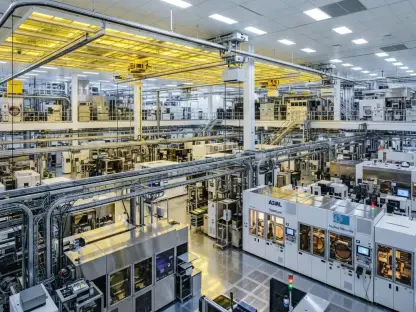
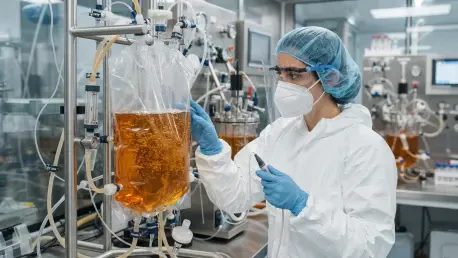
The expansion of manufacturing capabilities is underpinned by significant investments in state-of-the-art infrastructure, particularly at the Copenhagen facility which serves as a cornerstone of the European supply node. Spanning 18,000 square meters, this site has been specifically designed to handle large-scale mammalian cell culture programs through advanced drug substance development and GMP manufacturing. The facility features eight 2,000-liter single-use bioreactor production lines, providing the high-volume capacity necessary for commercial success in today’s market. Additionally, the inclusion of a 500-liter perfusion bioreactor allows for specialized continuous manufacturing, offering even greater flexibility for diverse therapeutic needs. Two dedicated downstream purification lines ensure that the recovery of therapeutic proteins meets the highest standards of purity and potency. This technical setup reflects a broader industry trend toward scaling mammalian production through sophisticated, high-capacity facilities.
Single-Use Innovation: Enhancing Manufacturing Agility
The decision to center this growth strategy on single-use technology is a deliberate response to the demand for faster turnaround times and reduced risk in the manufacturing process. Unlike traditional stainless-steel bioreactors, which require extensive cleaning and validation between batches, single-use systems allow for a more rapid transition between different production runs. This flexibility is essential for CDMOs managing multiple commercial programs, as it minimizes downtime and reduces the potential for cross-contamination. Industry data has consistently shown that the largest global networks of single-use capacity are now leading the market in terms of operational efficiency. By leveraging these systems, the partnership can scale production up or down with minimal lead time, responding effectively to fluctuations in patient demand or changes in clinical requirements. The focus on single-use bioreactors also aligns with modern sustainability goals, as these systems often require less water and energy for sterilization.
Future Resilience: Lessons From the Dual-Site Model
Looking back at the implementation of this dual-site model, it became clear that the strategy provided a definitive solution to the complexities of global biologics supply. The partnership successfully demonstrated that geographic flexibility, when paired with rigorous regulatory planning, could eliminate the bottlenecks that once hindered large-scale commercialization. Industry leaders recognized that the transition to single-use technology and regionalized manufacturing was not merely a trend, but a necessary evolution to protect patient access to critical therapies. By the time the programs reached full capacity, the integrated network had already set a new benchmark for operational resilience and quality assurance. Decision-makers within the sector began to prioritize these trust-based, long-term relationships over short-term cost savings, realizing that a secure supply chain was the foundation of commercial success. These actions ensured that the global biopharmaceutical industry moved toward a more stable future for markets worldwide.