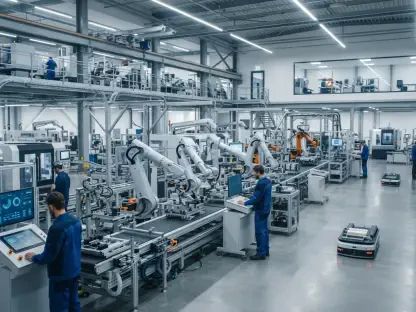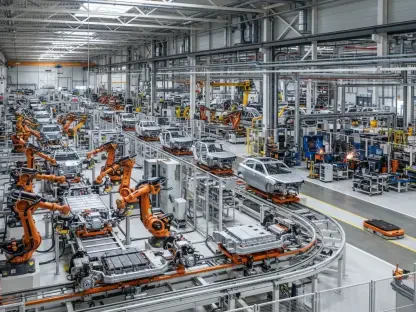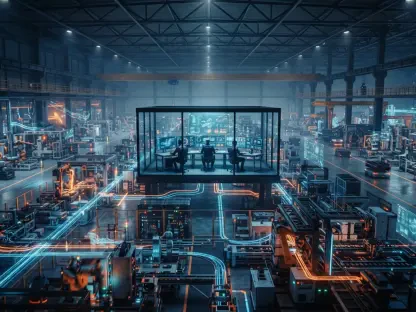

The traditional boundary between human oversight and machine precision is dissolving as modern industrial environments transition from static automation toward truly autonomous, intelligent ecosystems. This shift is driven by the rise of agentic frameworks, which represent the latest stage in the evolution of Google Cloud’s technological offerings. Unlike previous iterations of industrial software that required rigid programming, this system operates on core principles of reasoning and adaptability. It signifies a departure from simple automation, where machines follow a fixed script, toward a landscape of real-time decision-making where systems can evaluate their own performance.
Evolution of the Agentic Enterprise Through Google Cloud
The emergence of the agentic enterprise marks a transition from reactive systems to those capable of independent action within a manufacturing context. This technology was developed to bridge the gap between vast silos of industrial data and the practical needs of the factory floor. By integrating advanced generative models into the existing cloud infrastructure, the system provides a cognitive layer that can interpret complex mechanical signals and translate them into actionable business intelligence. This evolution matters because it moves the focus from merely collecting data to utilizing it for autonomous problem-solving.
The context of this development is rooted in the increasing complexity of global production, where human operators can no longer process every variable in real time. The technology acts as a force multiplier, allowing a single platform to oversee thousands of simultaneous operations. This implementation is unique because it treats AI not as an external tool, but as a foundational element of the factory’s nervous system. Consequently, the transition to this model represents a move toward a more resilient and flexible industrial architecture.
Key Capabilities of the Gemini Enterprise Ecosystem
Scalable AI Agent Integration
The deployment of large-scale AI agent networks is the cornerstone of this new operational model. These agents are designed to function as independent entities that can coordinate with one another to drive complex organizational workflows. Instead of relying on a centralized command for every minor adjustment, these agents manage localized tasks, such as optimizing energy consumption or adjusting assembly line speeds. This decentralization is significant because it prevents the system from becoming a bottleneck, allowing for a more fluid and responsive production environment.
Natural Language Data Democratization
Data democratization is achieved by allowing non-technical staff to “talk” to production data using natural language queries. Historically, diagnosing the root cause of equipment failure required the intervention of a data scientist or a specialized engineer to interpret complex datasets. Now, a floor supervisor can simply ask the system about the health of a specific motor or the yield of a particular shift. This capability effectively lowers the barrier to entry for high-level technical insights, empowering a broader range of employees to make data-driven decisions on the fly.
Automated Logistics and Supplier Management
Managing a supply chain with hundreds of different vendors often leads to communication breakdowns and logistical delays. Specialized agents within the Gemini ecosystem address this by automating the vast majority of supplier interactions. These agents track part genealogy and monitor shipping statuses across thousands of components, identifying potential shortages before they impact the assembly line. By streamlining these workflows, the system helps reduce the prevalence of backorders and ensures that the logistical chain remains synchronized with real-time production demands.
Current Trends in Industrial Generative AI
The industrial sector is currently witnessing a massive shift from small-scale pilot programs to full-scale enterprise deployment. There is a growing industry-wide consensus that generative AI is no longer a luxury but a competitive necessity for any company operating at scale. This trend is characterized by a focus on building secure, connected data foundations that can support autonomous agents across different geographic locations. As manufacturers seek to optimize every link in their value chain, the integration of AI into daily operations has become the standard benchmark for modern efficiency.
Real-World Applications in Modern Manufacturing
One of the most prominent applications of this technology is its integration into “Brilliant Factory” platforms, which provide a comprehensive view of production performance. These platforms track everything from the genealogy of individual parts to the activity patterns of the workforce. By synthesizing this information, the AI can identify inefficiencies that might be invisible to the human eye, such as subtle variations in tool wear that affect product quality. This level of granular monitoring ensures that the factory operates at peak performance across every shift.
Unique use cases, such as Quality Insights tools, further demonstrate the versatility of the system by analyzing consumer feedback to identify visual patterns or product defects. This allows manufacturers to catch issues that may have slipped through traditional quality control checks before the products reach the end consumer. By connecting the factory floor directly to consumer experiences, companies can create a continuous feedback loop that drives product improvement and enhances brand loyalty.
Addressing Implementation and Technical Hurdles
Despite the clear benefits, integrating advanced AI into legacy manufacturing environments remains a significant challenge. Many older facilities use fragmented systems that were never intended to be connected to a modern cloud infrastructure. Ensuring data security within such a connected foundation is another critical concern, as the consequences of a breach in an industrial setting can be devastating. Development efforts are currently focused on creating more robust integration layers that can bridge the gap between ancient hardware and cutting-edge software.
Another hurdle involves managing the sheer complexity of vast supplier networks and ensuring that the data flowing from these external sources is accurate and timely. Early-stage generative models occasionally struggle with the precision required for high-stakes manufacturing decisions, necessitating ongoing refinement of the underlying algorithms. However, as the technology matures, these limitations are being addressed through more sophisticated validation protocols and better-aligned training data.
Future Prospects for AI-Driven Industry
The future of the industrial sector lies in the move toward fully connected data foundations where AI serves as a standard daily utility. There is an clear path toward even higher levels of autonomous intelligence, where systems will not only solve problems but also predict market trends to adjust production schedules automatically. This will likely lead to a new era of “hyper-localized” manufacturing, where AI-driven facilities can pivot their output in response to local demand with unprecedented speed and accuracy.
As global value chains become increasingly digital, the role of AI will expand to cover the entire product lifecycle, from initial design to end-of-life recycling. The long-term impact on global production will be a significant reduction in waste and a massive increase in the efficiency of resource allocation. This evolution will redefine what it means to be a global manufacturer, placing a premium on those who can most effectively harness the power of autonomous intelligence.
Final Assessment of Gemini Enterprise AI
The transition from reactive automation to proactive, data-driven intelligence proved to be a defining moment for the manufacturing sector. Gemini Enterprise AI established itself as a robust framework that successfully integrated various facets of production and logistics into a cohesive, intelligent whole. It demonstrated that by democratizing data and empowering autonomous agents, a company could significantly enhance its operational agility and respond to complex challenges with greater precision. The initial implementation hurdles were offset by the measurable gains in efficiency and the reduction in logistical bottlenecks.
Ultimately, the technology reshaped the way global value chains were managed, proving that a secure and connected data foundation was essential for modern competition. The shift away from manual oversight toward autonomous intelligence allowed for a level of scalability that was previously unattainable. As the system evolved, it set a new standard for how industrial enterprises should operate, highlighting the immense potential of AI to drive long-term growth and innovation. The verdict on this implementation remained positive, as it provided the necessary tools for a complete digital transformation.