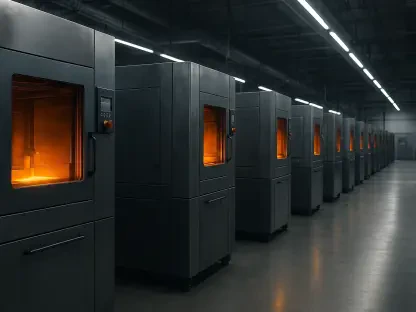

The industrial landscape of Apaseo el Grande has undergone a profound transformation as the Toyota Guanajuato manufacturing facility sets new benchmarks for environmental stewardship in the automotive sector. This facility, which serves as a critical hub for the production of the next-generation Tacoma, has successfully integrated advanced ecological protocols that align with the overarching goal of achieving a net-zero carbon footprint. By prioritizing the reduction of carbon emissions during the assembly process, the plant demonstrates how large-scale manufacturing can coexist with rigorous environmental protection standards. The implementation of high-efficiency robotics and streamlined logistics has not only improved production yields but also minimized the energy intensity required for each vehicle produced. As global supply chains face increasing scrutiny over their ecological impact, this Mexican facility stands as a model for regional resilience and sustainable industrial evolution, proving that economic growth and environmental preservation are not mutually exclusive.
Strategic Framework: Low-Emission Assembly
Power Management: Renewable Energy and Solar Integration
The transition toward a decarbonized production line has been accelerated through the deployment of on-site solar arrays and certified renewable energy. In 2026, the facility optimized its energy mix to ensure that electricity consumed during peak hours is generated from zero-emission sources. This shift is complemented by smart lighting systems and frequency-controlled motors that adjust power consumption based on real-time needs. These technological upgrades have resulted in a measurable decrease in the total kilowatt-hours required per unit, lowering the carbon intensity of the Tacoma trucks.
Furthermore, the facility has adopted heat recovery systems that capture thermal energy from paint ovens to recirculate it into the production cycle. This closed-loop strategy reduces the reliance on natural gas, a major contributor to industrial emissions. By refining these thermodynamic processes, the plant has achieved efficiency that surpasses traditional standards. These efforts ensure that the environmental cost of manufacturing remains as low as possible while maintaining the high production volumes required for the North American market.
Resource Circularity: Water Recovery and Waste Mitigation
The facility successfully implemented a wastewater treatment system that allowed for the purification and reuse of industrial water. Given the regional climate, water scarcity was a critical concern addressed through advanced filtration and reverse osmosis technologies. This system enabled the site to recycle a substantial percentage of the water used in the painting and cooling stages, reducing the demand for local freshwater. The treated water was then repurposed for irrigation of surrounding green spaces and auxiliary cooling towers, creating a self-sustaining hydraulic cycle that mitigated the plant’s footprint while protecting the local ecosystem.
To build on these achievements, stakeholders identified the need for localized supply chain electrification to reduce indirect emissions. This approach encouraged regional policymakers to support renewable energy infrastructure, ensuring that manufacturing gains were supported by a cleaner power grid. The facility ultimately transformed the local industrial sector into a laboratory for ecological innovation. By prioritizing these steps, the operation demonstrated that sustainability required continuous adaptation and a holistic view of the industrial ecosystem. This model ensured that the manufacturing site remained a leader in environmental stewardship.