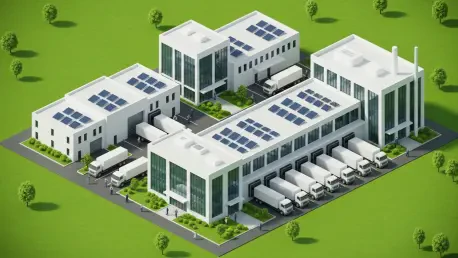

The vulnerability of the American healthcare infrastructure has reached a critical turning point as global logistical bottlenecks continue to threaten the availability of life-saving medications. To address these systemic weaknesses, Hikma Pharmaceuticals has initiated a massive $267 million investment across its Ohio manufacturing footprint, marking a decisive move in its broader $1 billion commitment to domestic production from 2026 to 2030. By prioritizing growth within the United States, the company is effectively insulating the national medical supply chain from the unpredictable nature of international trade routes. This strategic expansion does more than just increase output; it establishes the region as a primary line of defense against drug shortages that have long plagued hospital systems. Through this initiative, the state of Ohio is evolving into a vital node for pharmaceutical security, ensuring that essential treatments remain accessible to patients regardless of geopolitical shifts.
Strategic Regional Upgrades and Facility Investments
Scaling Operations in Columbus and Bedford
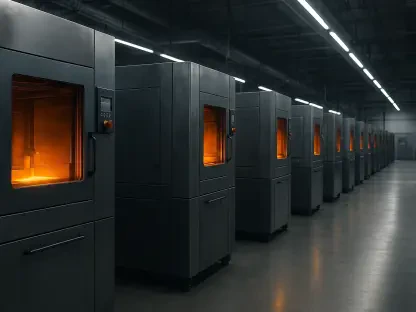
A substantial allocation of $216 million is currently being funneled into the West Side facility in Columbus, which stands as a cornerstone of Hikma’s global research and development network. This site serves as one of only three such hubs worldwide, highlighting its importance in the creation and testing of new generic formulations. The primary objective of this specific investment involves the dramatic scaling of production lines for oral solid dose medications and specialized nasal inhalation treatments, both of which require precise engineering and high-level automation. While the implementation of such advanced machinery often reduces the need for traditional manual labor, the sheer scale of the expansion is projected to create 50 new high-value positions for specialized technicians. These roles are critical for maintaining the rigorous quality standards required by federal regulators while simultaneously accelerating the time-to-market for new drugs, ensuring the region remains at the forefront of manufacturing technology.
Enhancing Sterile Injectable Production
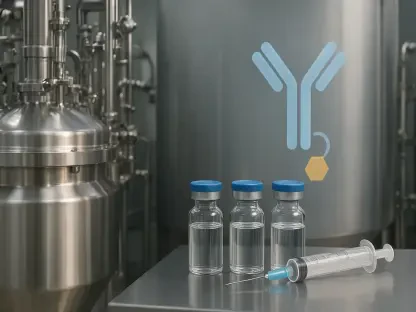
In Northeast Ohio, the historic Bedford facility is receiving a $51 million infusion to modernize its sterile injectable production capabilities, a sector that remains particularly prone to supply gaps. This site has functioned as a pillar of the regional pharmaceutical industry for decades, and the new funding aims to integrate cutting-edge technology for aseptic vial filling and complex freeze-drying processes. These enhancements are vital for the consistent manufacturing of IV bags and other liquid treatments used in emergency rooms and intensive care units nationwide. Unlike the highly automated oral dose lines, sterile manufacturing demands significant manual oversight and specialized cleanroom maintenance, leading to the creation of approximately 300 new jobs. By revitalizing this facility, the project ensures that some of the most sensitive medications in the clinical catalog are produced in an environment that meets modern safety protocols while contributing to the local economic revitalization of the Bedford area.
National Health Security and Workforce Integration
Bolstering Domestic Supply and the Talent Pipeline
The transition toward onshoring pharmaceutical production is not merely a corporate strategy but a fundamental component of American health security in the modern era. Hikma currently produces more than 12 billion doses of medicine every year, many of which are designated as essential medications by the federal government for treating chronic and acute conditions. Expanding these domestic production lines allows the company to serve as a reliable partner to federal health agencies, providing a buffer against the shortages that occur when international suppliers face manufacturing or shipping delays. This localized manufacturing model creates a more resilient healthcare system where the journey from the factory floor to the patient’s bedside is significantly shortened. Moreover, the proximity of these facilities to major shipping hubs in the Midwest allows for rapid distribution during health crises, ensuring that critical supplies reach hospitals in days rather than weeks, securing the future of public health.
Developing Specialized Educational Pathways
Supporting such a massive increase in manufacturing capacity requires a specialized workforce, and Ohio has responded by establishing a comprehensive hub-and-spoke training model. This initiative connects state universities and technical colleges directly with industry-led training centers that focus on the rigorous standards of sterile manufacturing and pharmaceutical engineering. By tailoring curricula to the specific needs of modern biopharma, the state ensures a steady pipeline of talent that is ready to operate complex machinery from the moment they enter the workforce. This proactive approach to education has helped Ohio maintain a high national ranking for biotech talent, making it a magnet for global firms looking for long-term stability and a skilled labor pool. These programs do more than just fill jobs; they provide career longevity in a sector that is increasingly immune to traditional economic downturns. Consequently, the collaboration between private industry and public education creates a self-sustaining ecosystem.
The Regional Shift Toward Life Sciences
Transforming the Midwest into a Biopharma Powerhouse
The ongoing investment by Hikma reflects a broader trend within the global life sciences sector as companies move complex manufacturing away from high-cost coastal regions. The Midwest, and Ohio in particular, offers a unique combination of industrial heritage, competitive operating costs, and sophisticated logistical networks that are difficult to replicate elsewhere. By leveraging the research strengths found in major urban centers like Cleveland, Columbus, and Cincinnati, the state has managed to build a unified biopharma ecosystem that attracts both established giants and emerging startups. This shift is not just about cost-cutting; it is about finding a location that provides the space for physical expansion and the intellectual resources necessary for advanced drug development. As traditional manufacturing roles continue to evolve, the pharmaceutical industry provides a stable and high-paying alternative that utilizes the region’s existing mechanical expertise, effectively redefining the industrial identity.
Strategic Outcomes: Future Implications and Action
The expansion of the Ohio Discovery Corridor demonstrated how targeted capital investments effectively addressed the structural vulnerabilities of the national medication supply chain. This project served as a blueprint for other states looking to foster public-private partnerships that prioritized long-term clinical reliability over short-term savings. Looking ahead, stakeholders found that the integration of automated technology and specialized workforce training programs was the most effective way to maintain global competitiveness. For healthcare providers, the increased domestic output provided a predictable inventory of essential drugs, allowing for better patient care planning and reduced operational stress. It became clear that the success of these initiatives depended on continued investment in local infrastructure and the maintenance of rigorous regulatory standards. Ultimately, the transition to a localized pharmaceutical manufacturing model proved to be a necessary step in securing American public health while driving regional economic growth.