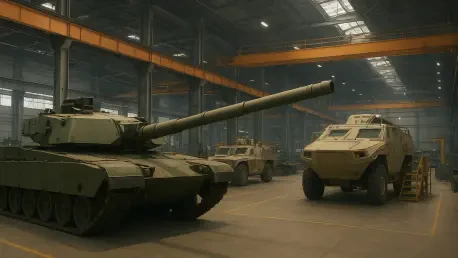

The modern defense landscape is no longer defined by solitary giants but by a seamless, borderless network where a precision machine shop in regional Australia contributes critical components to a nuclear-powered vessel under construction in a Virginia shipyard. This shift represents the death of the traditional “fortress” model of national defense manufacturing, where countries designed and built hardware exclusively within their own borders. In its place, a trilateral ecosystem is emerging that allows the United States, the United Kingdom, and Australia to function as a single, synchronized industrial engine. This transformation extends far beyond sharing blueprints; it creates a reality where small-scale innovators can plug into a massive global supply chain with unprecedented ease.
The AUKUS security pact has evolved into a sophisticated mechanism for industrial scalability that addresses the volatility of the global landscape. By bridging the gap between academic researchers, tech developers, and government procurement offices, the alliance is effectively bridging the “valley of death” that historically prevented cutting-edge innovation from reaching the battlefield. This integration ensures that the industrial bases of these three nations are not just compatible but mutually dependent, providing a buffer against global supply chain shocks that could otherwise derail national security priorities.
The End of Industrial Isolation: A New Era of Defense Synergy
The movement toward a unified industrial base signifies a departure from decades of bureaucratic silos and restrictive procurement policies. By dismantling these barriers, the partner nations are fostering a culture of synergy where specialized expertise is shared in real-time across the Pacific and Atlantic. This collective approach allows for the pooling of resources and the harmonization of technical standards, which reduces the cost of development and speeds up the deployment of next-generation defense systems.
Strategic cooperation now moves at the speed of digital innovation rather than the slow pace of traditional diplomacy. Instead of working in isolation, engineers in London can collaborate with manufacturers in Adelaide on a shared digital platform to refine the design of an autonomous underwater vehicle. This level of synergy ensures that every dollar spent on research and development yields a higher return for the collective security of all three nations, creating a formidable industrial front that is greater than the sum of its parts.
From Trilateral Agreement to Integrated Industrial Resilience
Resilience is the cornerstone of the current defense strategy, especially as global supply chains face increasing pressure from geopolitical instability. The AUKUS framework addresses this by creating a redundant and distributed manufacturing network that can continue to operate even if one region faces disruption. This interconnectedness transforms the industrial base from a collection of vulnerable points into a robust web capable of absorbing shocks and maintaining a steady output of critical military assets from 2026 through the end of the decade.
By prioritizing industrial resilience, the alliance has moved beyond simple trade agreements into deep-seated economic integration. This ensures that the sovereign industrial capabilities of each nation are reinforced by the others, creating a shared inventory of components and expertise. Such a high degree of integration acts as a powerful deterrent, as it signals to the world that the trilateral partnership possesses a manufacturing engine that is both versatile and nearly impossible to dismantle.
The “One Big Factory” Model and the Democratization of Defense
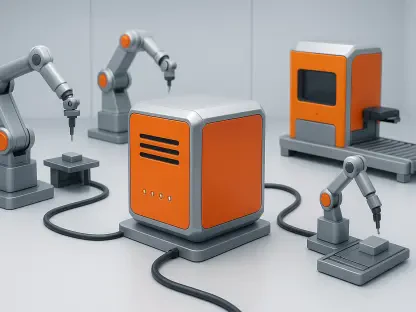
The “One Big Factory” concept serves as the operational blueprint for this unification, treating the manufacturing floors of the three partner nations as a single interconnected unit. This model actively lowers the barrier to entry for small and medium enterprises through the AUKUS Connect initiative, providing the investment and networking tools necessary to compete on a global scale. By empowering smaller firms, the alliance democratizes defense manufacturing, ensuring that a broader range of innovators can contribute to the most advanced military projects in history.
The Pillar Two Labs initiative serves as a crucial incubator for the high-tech development that will define the next chapter of global defense. These facilities focus on “under the hood” technologies, such as quantum computing and artificial intelligence, which are essential for maintaining a competitive edge. Through these labs, the partner nations can accelerate the transition of theoretical research into practical applications, ensuring that the technology used in 2026 remains relevant and dominant for the duration of the decade.
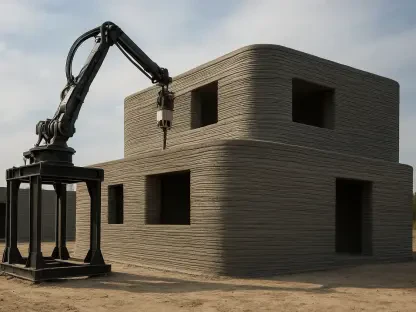
Significant attention is also being directed toward metal additive manufacturing and material innovation to create a self-sufficient industrial loop. By developing advanced metal powders and recycling waste materials into sustainable 3D-printing feedstock, the AUKUS partners are building a circular economy within the defense sector. This push for sustainability not only reduces reliance on external suppliers but also allows for the rapid production of spare parts and components directly at the point of need, whether in a factory or at sea.
This strategy is simultaneously revitalizing local economies by integrating regional hubs into the Guided Weapons and Explosive Ordnance manufacturing pipeline. From the Banana Shire in Queensland, Australia, to industrial centers in Rhode Island, local communities are becoming vital cogs in the trilateral machine. The expansion of these projects demonstrates that the benefits of AUKUS are not limited to major metropolitan areas but are distributed across a wide geographical footprint, creating jobs and fostering innovation in unexpected places.
Strategic Validation: Expert Insights into Distributed Production
Industry leaders point to the deployment of Markforged 3D-printing technology within the US Navy’s submarine fleet as a definitive proof of concept for this unified approach. This application proves that advanced manufacturing can be moved from a centralized facility to the front lines, allowing for real-time repairs and hardware updates. Such successes have bolstered private-sector confidence, as evidenced by the registration of over 120 Australian companies eager to participate in regional missile production and other high-priority projects.
Experts suggest that by synthesizing CNC machining, advanced welding, and 3D printing, the alliance is creating a “technological shorthand” for trilateral cooperation. This common industrial language allows different nations to share specifications and production techniques without the friction of traditional bureaucratic delays. As a result, the time required to move from a design concept to a finished product has been significantly reduced, allowing for a more agile response to emerging threats.
Framework for Participation in the Unified Defense Supply Chain
For manufacturers seeking to join this unified supply chain, the AUKUS Forum provides a clear roadmap that emphasizes capability diversification. Companies are encouraged to adapt existing civilian technologies, such as commercial logistics software or 3D-printing hardware, to meet rigorous military standards. This approach allows firms that have never previously worked in defense to leverage their expertise in a new, high-growth market, further expanding the pool of available talent and technology.
Participation also requires engagement with regional hubs and the adoption of unified validation standards to ensure interoperability. By utilizing the Pillar Two Labs for technology testing, companies can verify that their products meet the certification requirements of all three partner nations simultaneously. This streamlined process eliminates the need for multiple, redundant testing cycles, allowing innovators to scale their solutions across the entire trilateral network with greater speed and efficiency.
The alliance successfully established a framework that prioritized cross-border collaboration and synchronized industrial output. This movement unified disparate manufacturing sectors into a cohesive global force that redefined the limits of collective security. By removing old barriers, the partnership created a sustainable model for innovation that integrated small firms into the core of international defense. These efforts consolidated the technological lead of the partner nations and secured the supply chains necessary for the coming years.