
The integration of 6G and advanced Wi-Fi modules is necessary to support the low-power connectivity required for the next wave of screenless interfaces. As 2026 draws to a close, the consumer electronics sector is moving beyond the predictable cycle of minor hardware iterations that defined the early part of the decade. We are witnessing a transition where machine intelligence is no longer confined to a rectangular glass screen but is instead woven into the very fabric of our physical environment. This evolution is driven by Physical AI, a paradigm where devices possess the sensory capabilities to understand and interact with their surroundings in real time. The goal is no longer just processing data but enabling a hyper-personalized ecosystem that anticipates human needs. By 2027, this shift will fundamentally alter how we perceive our gadgets, transforming them from passive tools into active, intelligent participants in daily life that bridge digital intent and physical action through robust sensing.
The Dawn of Autonomous Machines: Realizing Physical Intelligence
Practical Robotics: Industrial Integration and Efficiency
The transition of robots from experimental prototypes in high-tech labs to functional assets in global shipping centers represents a cornerstone of the 2027 technological landscape. Humanoid robots are increasingly tasked with logistics operations that require navigating dynamic environments while handling diverse objects with human-like dexterity. These machines rely on advanced neural processing units capable of executing billions of operations per second directly at the edge, reducing the latency that once hampered autonomous movement. This capability allows for immediate responses to environmental changes, such as an unexpected obstacle in a warehouse aisle. Currently, in 2026, many of these systems have already begun their pilot phases, and the trajectory suggests full-scale deployment in precision manufacturing by next year. These units are integrated into the workflow, augmenting human capabilities through constant spatial awareness and high-speed data exchange.
Collaborative Systems: The Evolution of Industrial Cobots
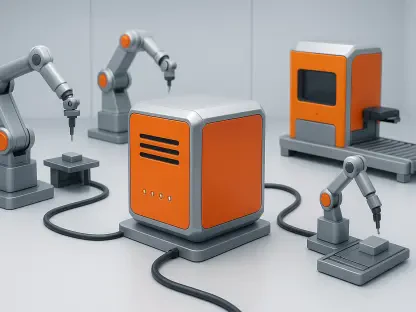
Collaborative robots, or cobots, have become a defining feature of modern production lines, moving beyond simple repetitive tasks to complex assembly that requires real-time adjustments. These systems utilize sophisticated sensor arrays to maintain a safe working proximity to human colleagues, blending mechanical strength with the nuance of machine vision. As we look toward 2027, the emphasis is shifting toward high-density battery architectures that support multi-shift operations without frequent recharging interruptions. This hardware advancement is crucial for maintaining the uptime required in competitive global markets where efficiency is the primary metric of success. Furthermore, the integration of 6G connectivity facilitates a swarm intelligence approach, where groups of robots coordinate their movements to optimize floor space. This level of synchronization marks a departure from traditional automation, moving toward an era where the factory floor operates as a single, cohesive organism.
The Shift Toward Ambient Computing: Beyond the Display
Screenless Interfaces: The Rise of Invisibility in Tech
A significant cultural and technological movement is currently underway as consumers seek to reduce their reliance on traditional glowing screens. This digital fatigue has sparked a demand for ambient computing, where the digital world is accessed through more natural, less demanding interfaces such as spatial audio and haptic feedback. By 2027, the smartphone will likely no longer be the primary lens through which we view our digital lives; instead, information will be delivered contextually through the environment or discreet wearable devices. This transition requires a fundamental rethinking of user interface design, moving away from visual menus toward gesture-based and voice-driven interactions. The goal is to keep the user’s eyes up and engaged with the real world while still providing the necessary data they require. This shift is supported by improvements in natural language processing, which allow for private communication even in noisy public spaces, making tech a seamless background.
Advanced Wearables: Redefining Connectivity through Biometrics
The rise of AI smart glasses and biometric jewelry represents the pinnacle of this screenless movement, offering a blend of high-end fashion and advanced electronic capability. These devices provide heads-up assistance, projecting essential information directly into the user’s line of sight or providing haptic cues that guide them through city streets without the need to look at a map. For many, this represents a return to presence, allowing people to interact with their surroundings while staying informed. As 2027 nears, these wearables are becoming more sophisticated, incorporating sensors that track everything from metabolic rates to emotional well-being. This data is used to adjust the user’s environment, such as dimming smart lights when stress levels rise. By prioritizing aesthetics and comfort, manufacturers have successfully convinced a broader demographic to adopt these tools, making technology a subtle extension of personal style and a tool for holistic health.
The Economics of Quality: Premiumization and Long-Term Value
Sustainable Hardware: The Move toward Circular Materials
The consumer electronics market is experiencing a profound shift in purchasing behavior, moving away from the era of frequent, low-cost upgrades toward a model of premiumization. Global buyers are now choosing to invest in fewer, higher-quality products that offer significant long-term value rather than amassing a collection of disposable gadgets. This change is driven by both economic necessity and a growing environmental consciousness, where durability and repairability are valued as much as technical specifications. By 2027, a premium device will be defined not just by its price but by its longevity and its impact on the planet. Manufacturers are responding by using circular plastics and recycled metals, ensuring that the lifecycle of the product is as efficient as its operation. This focus on quality over quantity has led to a more stable market where brand loyalty is built on the reliability of the hardware, creating a relationship between consumer and producer that lasts for many years.
Ecosystem Interoperability: Harmonizing the Smart Environment
Closely linked to the trend of premiumization is the importance of ecosystem interoperability, where a device’s value is enhanced by its ability to work harmoniously with other products. A high-end smart home system in 2027 is only as effective as the slowest or least compatible device within it. Consequently, consumers are prioritizing electronics that adhere to open standards and offer seamless synchronization across different platforms. This movement has forced hardware companies to rethink their closed-garden strategies in favor of a more collaborative approach that benefits the end user. A premium product is now expected to learn from and interact with other devices, such as a smart ring communicating with a kitchen appliance to suggest a meal. This interconnectedness creates a value proposition that goes beyond the physical hardware, offering an intelligent, coordinated lifestyle that saves the user time and effort through automated coordination.
Future Considerations: Strategic Steps for Global Trade
Supply Chain Resilience: Securing the Future of Electronics
Strategic sourcing teams throughout 2026 and 2027 prioritized regional stability and environmental compliance to ensure a steady flow of the rare materials required for advanced electronics. Organizations across the global supply chain spent much of this period recalibrating their operations to meet the demands of a human-centric landscape. The transition toward Physical AI and ambient computing necessitated a shift in manufacturing focus, where modularity became a primary design requirement. This approach allowed for easier repairs and hardware updates, catering to the growing consumer demand for sustainable and long-lasting products. Businesses that successfully navigated these changes recognized that the value of their offerings resided in providing personalized, frictionless experiences rather than just raw processing power. This strategic pivot ensured that companies remained relevant in a market that increasingly favored quality and purpose, setting a new standard for excellence.
Innovation Hubs: The Dominance of Asian Technology Centers
Looking back at the progress made toward the end of 2027, the focus shifted to securing resilient supply chains for the critical sensors and specialized components that powered the AI revolution. Asian technology hubs in South Korea, Taiwan, and China continued to dominate the production of high-density batteries and neural processors, making them essential partners for global electronics brands. These centers provided the foundational hardware that allowed Physical AI to move from theory into reality. The proactive approach taken by industry leaders allowed the sector to overcome logistical challenges and maintain a high pace of innovation. Ultimately, the successful integration of Physical AI into daily life proved that the most effective technology supported human activity without overwhelming it. These developments provided a roadmap for future progress, emphasizing that the success of the electronics industry depended on the balance between intelligence and sustainable engineering.