
Outdated manual tracking systems are increasingly viewed as a significant liability for manufacturers operating in today’s complex international markets. As the global supply chain faces unprecedented pressures from climate instability and shifting geopolitical alliances, the margin for error in food production has virtually vanished. In October 2026, industry leaders are gathering to address these escalating threats, moving beyond the traditional checklist approach to a sophisticated, intelligence-driven framework. The focus has shifted from merely responding to contamination incidents to anticipating them through predictive modeling and deep-tier visibility. This transition requires a fundamental rethinking of how data is collected and utilized across every stage of the manufacturing process. By prioritizing proactive prevention over historical remediation, the industry aims to build a more resilient ecosystem that can withstand microbiological risks and emerging chemical hazards. This shift is not just a technological upgrade but a cultural revolution within the food sector.
Shifting from Reactive Response to Intelligence-Led Prevention
Strategic Integration: Root Cause Analysis
The Food Standards Agency (FSA), represented by Tina Potter, has emphasized that the modern regulatory environment demands a more collaborative and analytical approach to mitigating food safety incidents. Instead of treating recalls as isolated events, manufacturers are now encouraged to perform deep-dive root cause analyses that examine systemic vulnerabilities. This strategy involves sharing intelligence across national borders and industry sectors to identify patterns before they manifest as public health crises. By fostering a culture of transparency, the FSA aims to reduce the overall impact of foodborne illnesses and contamination events. This level of cooperation ensures that when a hazard is identified in one part of the world, the global community is immediately informed and prepared to act. Such a proactive stance effectively shrinks the window of vulnerability, allowing manufacturers to pivot their production strategies in real-time. This collective vigilance is becoming the primary defense against the increasingly sophisticated threats facing the industry today.
Organizational Evolution: The Technical-Boardroom Connection
Moving food safety from technical silos to the executive boardroom is a critical step identified by experts like Roy Kirby from FoodSafERM. In 2026, safety protocols are no longer viewed simply as compliance hurdles but as core business risks that directly influence brand equity and financial stability. Technical teams are now tasked with translating factory-floor data into strategic insights that can be understood and acted upon by senior management. This shift ensures that food safety is factored into every major corporate decision, from procurement strategies to facility expansion plans. When leadership recognizes safety as a competitive advantage, investment in training and infrastructure naturally follows. This alignment between operations and executive strategy creates a more agile organization capable of responding to the volatility of the modern market. By elevating the technical voice within the corporate hierarchy, companies can better navigate the complex intersection of consumer trust and operational efficiency. This structural evolution is essential for maintaining long-term viability in a safety-conscious market.
Navigating the Technological and Environmental Frontiers
Digital Infrastructure: Real-Time Oversight and AI
Digital transformation is no longer an optional upgrade but a fundamental requirement for maintaining transparency in an increasingly intricate global supply chain. Paul Bradley of TraceGains argues that the integration of artificial intelligence and automated tracking is the only way to manage the vast quantities of data generated during modern food production. These technologies allow for the instant verification of supplier credentials and allergen profiles, reducing the likelihood of human error that often plagues manual entry systems. However, the adoption of these tools must be pragmatic, focusing on interoperability and user accessibility to be truly effective. When AI is applied correctly, it can predict potential supply disruptions and suggest alternative sourcing options that meet strict safety standards. This level of oversight provides a safety net that traditional methods simply cannot match, offering a clear path toward total supply chain traceability. As manufacturers adopt these digital solutions, they gain the ability to pinpoint contamination sources within minutes rather than weeks, significantly minimizing the scale of potential product recalls.
Environmental Engineering: Securing the Production Atmosphere
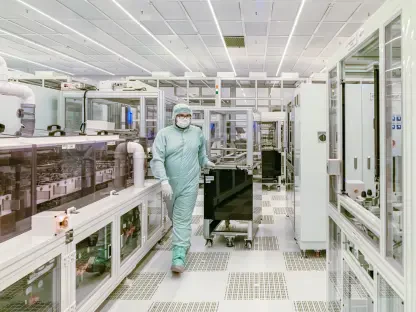
To ensure future resilience, industry leaders recognized that environmental factors like air quality and ventilation remained critical yet frequently ignored components of contamination control. Darren Carvell of HVDS highlighted how advanced filtration systems and rigorous air pressure monitoring protected sensitive production areas from airborne pathogens and foreign particulates. Successful organizations adopted holistic safety audits that integrated these environmental parameters with digital record-keeping to provide a comprehensive view of facility health. They moved beyond surface-level sanitation to address the invisible threats circulating within the factory atmosphere, ensuring that every point of potential contact was secured. Manufacturers prioritized the modernization of their HVAC systems alongside their data platforms to create a fortified production environment. This integrated approach proved essential for meeting the heightened standards of 2026 and maintaining consumer confidence. By bridging the gap between physical engineering and digital intelligence, the industry established a robust roadmap for navigating the volatile landscape of food security. These strategic investments transformed safety from a reactive cost center into a proactive pillar of global operational excellence.