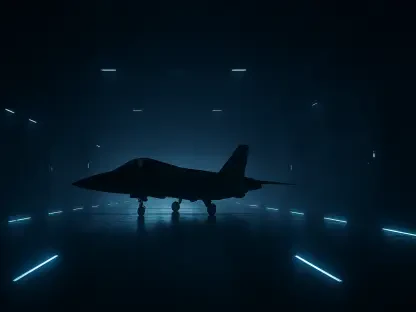

The Royal Moroccan Air Force is enhancing its drone capabilities through a firm procurement contract for DESERT STING and THUNDER precision-guided munitions from the EDGE Group. This specific acquisition, finalized during the Marrakech Airshow 2026, represents just one facet of a much larger, multi-dimensional effort to fortify the nation’s strategic standing on the world stage. The signing of 26 separate agreements during this landmark event signals a definitive transition for Morocco, moving it away from a legacy of simple equipment procurement toward a future defined by industrial sovereignty and high-tech production. By engaging with international aerospace giants and defense innovators, the Kingdom is methodically constructing a sophisticated ecosystem for manufacturing and research that is unparalleled on the African continent. This systemic overhaul focuses on the vertical integration of the aerospace supply chain, ensuring that Morocco becomes an indispensable node in the global aviation network. The airshow served as a catalyst for these ambitions, providing a platform where government officials, state-owned enterprises, and private sector leaders could commit to a shared vision of technological independence. Consequently, the deals signed are not merely financial transactions but are foundational pillars for a new industrial era that prioritizes long-term sustainability and regional leadership. This shift is characterized by a move from being a regional service provider to becoming a global hub for aerospace manufacturing and defense technology.
Advancing Research and Human Capital
At the heart of Morocco’s long-term strategy is the formalization of the Africa Center of Manufacturing Excellence, which is more commonly known as ACME. This consortium is hosted by the Mohammed VI Polytechnic University and represents a landmark collaboration involving the Industry Ministry, the National Defense Administration, and the OCP Group. It also brings in global leaders such as Boeing, Airbus, Lockheed Martin, and Safran Nacelles, creating a unique environment where the public and private sectors converge. The ACME project is designed to be a shared platform for advanced manufacturing research and specialized training, ensuring that the country’s academic output remains in lockstep with the needs of the global industry. By establishing this center, Morocco is ensuring that it does not just participate in assembly but is actively involved in the complex industrialization and engineering processes that define modern aerospace. This commitment to research and development provides a durable framework for innovation, allowing local engineers to develop solutions that are tailored to the specific challenges of the regional market while meeting international standards.
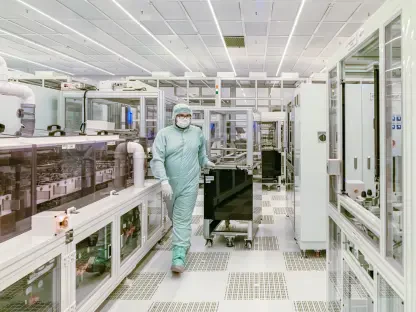
The focus of this collaborative effort extends into cutting-edge fields such as additive manufacturing, robotics, automation, and advanced composites. These technologies are the building blocks of next-generation aircraft, and by mastering them, Morocco is positioning its workforce to handle the technical rigors of the modern era. The integration of 3D printing and automated systems into the training curriculum at Mohammed VI Polytechnic University ensures that students and professionals are prepared for high-value roles that go far beyond basic maintenance. This investment in human capital is vital because it addresses the historical challenge of a skills gap, transforming the local labor force into a primary driver of industrial growth. As these professionals enter the market, they bring with them the expertise needed to manage sophisticated manufacturing plants and research labs. This approach ensures that the aerospace sector is supported by a steady pipeline of talent, which is essential for attracting continued foreign investment and maintaining a competitive edge in a rapidly evolving technological landscape.
Expanding the Aerospace Supply Chain: Precision and Specialized Systems
To remain a global competitor, Morocco is deepening its specialized component ecosystem through significant investments in precision manufacturing and fluid management. A notable development in this area is the agreement with Safran Oil Systems to establish a new operation dedicated to aircraft engine lubrication and fluid-management systems. This project involves a substantial investment of approximately 160 million Moroccan Dirhams and is expected to create around 100 specialized jobs, adding a high-specialization layer to the country’s existing engine supply chain. Parallel to this, Mecapole Industries is bringing precision aerospace machining into the country through a project valued at roughly 14 million Euros. By focusing on precision-machined components for both airplanes and helicopters, Mecapole is filling a critical gap in the local manufacturing chain. These agreements demonstrate a strategic push toward a “full-stack” supply chain, where every component of an aircraft can be serviced or manufactured within the Kingdom, thereby reducing lead times and increasing the overall efficiency of the industrial sector.
The expansion of the electrical systems and surface-treatment sectors further reinforces this robust infrastructure, making Morocco a more attractive destination for assembly and finishing. In one of the most significant employment commitments of the airshow, Matis Aerospace signed a 16.46 million dollar investment program to expand its electrical wiring production, a move that is projected to create 750 direct jobs. This expansion solidifies Morocco’s status as a leader in aerospace electrical systems, a vital component as aircraft become increasingly reliant on digital and electronic controls. Additionally, the establishment of an 18 million Euro surface-treatment facility by APS Coating addresses a historical bottleneck in the production cycle. In the past, surface treatment was often sourced externally, adding cost and complexity to the manufacturing process. By bringing this capability in-house, the local industry can now offer a more streamlined and cost-effective production cycle. Furthermore, Trelleborg Aerospace has committed to nearly doubling the size of its recently opened sealing-systems plant, highlighting the immense confidence that international investors have in the Nouaceur industrial cluster.
Strengthening Defense Sovereignty and Autonomous Systems
A major trend identified during the recent airshow was Morocco’s strategic pivot toward autonomous defense systems and domestic weapons production, moving away from simple procurement toward co-development and technology transfer. The agreements with Harmattan AI are emblematic of this shift, as they establish an integrated industrial and technology platform for autonomous defense and counter-drone systems. By investing in these areas, Morocco is ensuring that it owns a significant portion of the technology chain, which is essential for maintaining national security in an era of asymmetric warfare. This is further bolstered by a letter of intent for the IRIFI autonomous deep-strike system, indicating a move toward high-end defense capabilities that were previously unavailable for domestic production. This dual strategy of procuring immediate defense readiness while building the foundation for a domestic defense industry is a cornerstone of the nation’s sovereign security policy. It allows the military to maintain a high level of preparedness while simultaneously fostering an industrial environment that can support future innovations.
The partnership with the UAE-based EDGE Group further illustrates this two-pronged approach, combining procurement with long-term industrial collaboration. While the initial contract for precision-guided munitions provides an immediate boost to the drone fleet, the broader framework agreement establishes local production for small arms and aeronautical engines through partnerships with CARACAL and POWERTECH. This means that future generations of defense equipment will be manufactured on Moroccan soil, providing jobs and retaining economic value within the country. Additionally, the creation of the International and Moroccan Defense Electronics Consortium, known as CIMED, brings in partners from India and Slovenia to focus on the maintenance and assembly of night-vision and thermal surveillance systems. By developing the “eyes and ears” of its modern defense infrastructure locally, Morocco is reducing its reliance on foreign contractors for the upkeep of sensitive electronic equipment. This move toward defense autonomy ensures that the Kingdom can maintain its military readiness through a sustainable, domestic industrial base that is capable of responding to evolving threats with agility and precision.
Enhancing Maintenance and Regional Hub Capabilities
Maintaining and upgrading existing aviation assets is just as crucial as manufacturing new ones, and the agreements signed at the airshow reflect a significant expansion of Morocco’s maintenance, repair, and overhaul capabilities. Royal Air RAM is leading this effort through a strategic partnership with Boeing to overhaul the cabins of seven 787-8 Dreamliner aircraft. This refurbishment project ensures that the national airline remains competitive on long-haul routes by upgrading in-flight entertainment and seating to match modern standards. Beyond civilian aviation, the partnership between WAGA International and Canada’s Canwest Aerospace aims to create a multi-platform helicopter maintenance center in Benslimane. This center is strategically designed to serve not only domestic needs but also to target operators across the African continent. By positioning itself as a regional service hub, Morocco is leveraging its geographical location and technical expertise to capture a larger share of the African aviation market. This helps to establish the country as a leader in technical support, providing high-quality maintenance for a wide variety of aircraft types.
The “Maroccanization” of the supply chain through increased local sourcing is a vital component of this industrial evolution, aiming to integrate local small and medium enterprises into the global aerospace economy. A framework agreement between Royal Air Maroc and the Industry Ministry is particularly noteworthy in this regard, as it seeks to identify services and products currently imported that can be sourced from Moroccan suppliers. With a long-term substitution target of 60 percent, this initiative uses the national airline’s procurement power to stimulate the growth of local businesses. This approach ensures that the benefits of the aerospace boom are felt throughout the domestic economy, rather than being concentrated solely in large multinational corporations. By fostering a network of local suppliers, the government is creating a more resilient and integrated industrial ecosystem. This strategy not only creates jobs but also encourages local entrepreneurs to invest in the specialized equipment and training necessary to meet the rigorous standards of the aerospace industry, further cementing Morocco’s role as a major player in the global market.
Strategic Integration: Operational Readiness and Future Directions
The final piece of Morocco’s industrial puzzle involves the physical mobilization of land and infrastructure to support these ambitious projects. The manager of the defense-zone, SGZID, signed seven land-mobilization agreements during the airshow, reserving industrial land within new defense industrial acceleration zones for a variety of international and local companies. These contracts include agreements with firms such as Arquus, MKU, and ABA Technology, bridging the gap between strategic intent and operational reality. By securing specific plots for factory construction, the government is providing a clear pathway for companies to move from the planning stage to actual production. This proactive approach to land management is a key differentiator in Morocco’s industrial policy, as it eliminates one of the primary hurdles for foreign investors looking to establish a manufacturing presence. These zones are designed to provide the necessary utilities and logistics support required for advanced manufacturing, ensuring that the transition from ground-breaking to full-scale operations is as smooth as possible.
The Marrakech Airshow 2026 proved that Morocco’s industrial pivot was not a mere aspiration but a tangible shift in the global manufacturing landscape. By signing 26 strategic agreements, the nation solidified its reputation as a reliable partner capable of handling the most complex aspects of the aerospace and defense industries. The focus on research, local manufacturing, and defense autonomy successfully laid the groundwork for a decade of sustained growth. Moving forward, the key to maintaining this momentum will be the consistent execution of these contracts and the continued expansion of the “Maroccanization” policy to include higher-value services. Investors and industry leaders should now look toward the integration of these new facilities into the global supply chain as the primary indicator of success. The lessons learned from this airshow suggested that a unified approach—combining government support, academic excellence, and private sector innovation—can transform a national economy. This successful model of industrialization provided a blueprint for other nations seeking to climb the value chain and achieve technological sovereignty through strategic international partnerships and domestic investment.