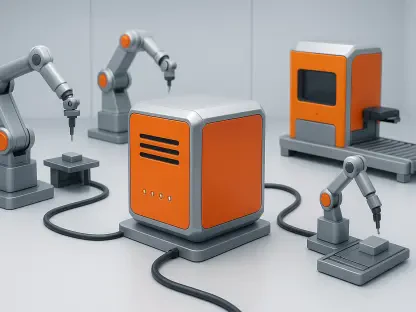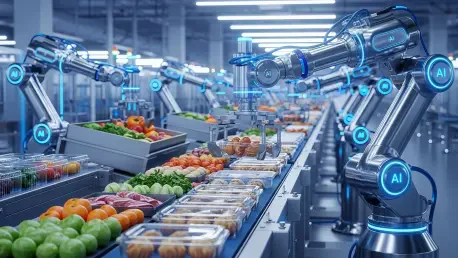

The delicate process of finishing a gourmet pastry or handling unpredictable natural ingredients has traditionally remained outside the reach of rigid industrial machines that struggle with organic variations. Siemens, in a landmark collaboration with Wymbs Engineering and HMK Automation & Drives, has launched a modular robotics platform to bridge this gap. By pivoting away from static, specialized architectures, this open-source solution introduces human-like dexterity to industrial lines. This new approach brings high-level precision to tasks previously deemed too complex for anything other than a human hand.
The End of One-Size-Fits-All Automation in Food Production
Traditional automation often fails when faced with the subtle differences found in raw dough or changing icing textures. These rigid systems require expensive retooling for every minor product shift, which stifles innovation in fast-moving consumer markets. The new Siemens platform addresses this by utilizing a modular design that allows for rapid reconfiguration.
It empowers manufacturers to handle complex tasks like intricate decorating and precise filling without human intervention. By moving away from specialized machinery, this solution makes advanced automation accessible to facilities handling diverse seasonal or specialty items. It represents a significant shift toward flexible manufacturing in an industry that demands both speed and artisanal quality.
Quantifying the Impact of the Industrial Labor Shortage
The global food manufacturing sector is currently navigating a severe vacancy crisis that endangers the reliability of the entire supply chain. With over 615,000 open roles in the American market alone, industry leaders warn of a potential trillion-dollar economic loss by 2030 if productivity remains stagnant.
This modular AI system acts as a crucial buffer against these labor gaps by automating high-turnover roles in deposition and packaging. This transition allows facilities to maintain output regardless of local hiring challenges. By focusing on repetitive, labor-intensive processes, companies can stabilize their production schedules and meet the rising global demand for processed foods.
How Real-Time AI Overcomes the Challenges of Raw Material Variability
At the core of this advancement is the Totally Integrated Automation Portal, which leverages industrial artificial intelligence to process visual data. Unlike older robots that require a perfectly static environment, these AI units sense and react to differences in food size and shape on the fly. This adaptability removes the reliance on constant manual recalibration.
Seasonal product changes no longer result in weeks of downtime, making high-tech automation viable for smaller, specialized producers. This flexibility allows manufacturers to switch between product lines instantly without the need for extensive coding. The technology bridges the gap between mechanical speed and the organic unpredictability of natural ingredients.
Meeting Stringent Global Food Safety Standards Through Standardization
Implementing robotics in a food-grade environment requires navigating a complex web of hygiene and safety regulations. Siemens engineered these modular components to comply fully with the Food Safety Modernization Act and the General Food Law Regulation. By providing a standardized hardware set, the platform lowers the technical hurdles for compliance.
This aligns with broader industry trends where 95% of beverage and food firms move toward smart manufacturing to satisfy consumer demands for transparency and safety. Standardizing high-tech components lowers the financial barrier to entry, ensuring that safety is not sacrificed for the sake of speed. This framework creates a transparent production environment that simplifies auditing and tracking.
Strategic Steps for Adopting Modular Robotics in Existing Facilities
Management identified the most successful path forward by targeting specific high-waste areas where variability caused the most frequent errors. They prioritized the incremental integration of modular units into legacy systems via open-architecture interfaces. This strategy modernized production floors without the need for total infrastructure overhauls.
Operators redeployed staff to higher-value technical roles, which effectively turned a workforce crisis into a moment of operational upskilling. These steps ensured that long-term scalability remained a priority while addressing immediate production bottlenecks. This proactive approach established a foundation for future growth in an increasingly automated landscape.