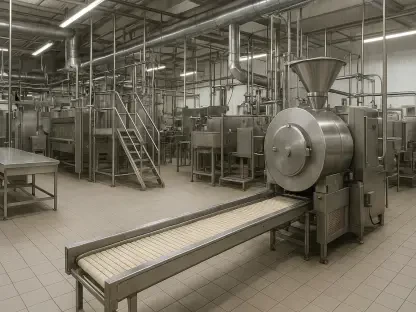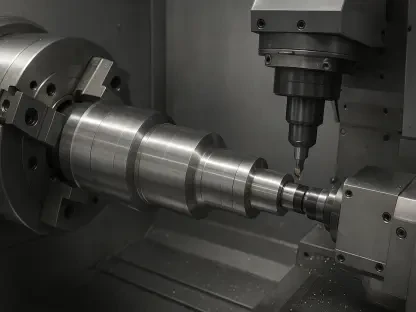

The rapid evolution of global manufacturing has created a definitive divide between facilities that embrace autonomous systems and those that remain tethered to legacy processes. In an effort to place its domestic production sector at the forefront of this technological shift, the United Arab Emirates Ministry of Industry and Advanced Technology has officially consolidated its various modernization efforts under the new Factory Forward initiative. This centralized platform serves as a primary engine for integrating Fourth Industrial Revolution technologies, including artificial intelligence and advanced robotics, into the local industrial landscape. By building upon the success of existing programs that have already impacted hundreds of facilities, the government is streamlining the path toward digital maturity. This strategic move is not merely about upgrading machinery but about fundamentally reshaping economic output through smarter resource management. The transition reflects a broader commitment to ensuring that every factory has direct access to the tools needed for global competition and agility.
Orchestrating a Digital Transformation Ecosystem
The foundation of this unified framework rests upon the Industrial Technology Transformation Index, a comprehensive diagnostic tool that has already been implemented across more than 620 industrial facilities. This framework allows manufacturers to pinpoint their exact position on the digital spectrum, moving away from guesswork toward data-driven decision-making. By evaluating operational maturity through specific metrics, the index highlights where manual processes can be replaced by automated workflows or where sensor-based monitoring could improve efficiency. This initial assessment phase is critical because it identifies the unique bottlenecks within each facility, ensuring that subsequent technological investments are targeted and effective. Instead of a one-size-fits-all approach, the platform recognizes that a small-scale textile plant has vastly different requirements than a high-output chemical processing site. This diagnostic rigor ensures that the subsequent steps of the transformation journey are built upon a solid understanding of current capabilities and future needs.
Beyond the initial assessment, the platform serves as an essential bridge connecting industrial operators with a vast network of technical experts and technology providers. This connectivity is vital for overcoming the knowledge gap that often prevents manufacturers from adopting sophisticated systems like edge computing or predictive maintenance algorithms. Through strategic enablement partnerships, the initiative offers specialized training programs designed to upskill the existing workforce, ensuring that human capital evolves alongside the machinery it manages. This focus on education addresses the common fear that automation might lead to job displacement, showing instead how technology can augment human labor and create higher-value roles. Knowledge sharing is further facilitated through organized workshops and peer-to-peer learning sessions where successful implementations are analyzed in detail. By fostering this collaborative environment, the UAE is building a self-sustaining community of innovators who can exchange best practices and collectively drive the national industrial sector toward a more sophisticated technological future.
Strengthening Economic Resilience and Investment
Enhancing global competitiveness is a central pillar of this strategy, as the nation seeks to become a primary hub for international industrial investment. Dr. Sultan Ahmed Al Jaber has underscored that the program is fundamental to achieving the goals set by the National Strategy for Industry and Advanced Technology. By integrating Fourth Industrial Revolution solutions, local manufacturers can achieve levels of productivity and precision that were previously unattainable, making UAE-based products more attractive in the global marketplace. This shift also strengthens the resilience of national supply chains, as advanced data analytics allow for better demand forecasting and inventory management. In an era where global trade disruptions are frequent, the ability to maintain consistent production through automated systems provides a distinct competitive advantage. The initiative also focuses on highlighting success stories from early adopters to provide a practical roadmap for others. This visibility helps demystify the process for traditional manufacturers, illustrating the tangible benefits of digital integration in terms of cost reduction and market expansion.
The final phase of this rollout focused on dismantling the financial barriers that historically impeded the adoption of high-cost advanced technologies. By engaging with various financing partners, the initiative provided manufacturers with the necessary capital to scale their digital infrastructure without jeopardizing their operational liquidity. This integrated approach ensured that modernization remained accessible to small and medium enterprises, not just the industrial giants with massive capital reserves. Industry leaders recognized that the successful integration of these systems required a shift in organizational culture toward continuous improvement and sustainability. As companies implemented these frameworks, they discovered that actionable insights from real-time data allowed for more efficient energy use and waste reduction. Moving forward, stakeholders prioritized the establishment of internal innovation labs to test emerging technologies before full-scale deployment. By bridging the gap between public policy and private sector execution, the program established a robust foundation for long-term economic stability and technological leadership that persisted across the entire manufacturing sector of the Emirates.