
Water-based dispersion coatings are emerging as the dominant technology for creating functional barriers that can be easily repulped in existing paper mills. As of 2026, the global logistics sector is navigating a pivotal transition where material science must align with aggressive environmental mandates and the practicalities of global trade. These specialized substrates are no longer viewed as mere commodity components but as high-performance engineering solutions capable of protecting goods from liquid water and vapor. The shift from traditional paraffin waxes and fluorinated chemicals is accelerating, driven by the realization that moisture resistance must not come at the expense of a circular economy. Within this landscape, the evolution of paper liners is defined by a rigorous focus on fiber-based alternatives that provide the structural integrity of plastic with the end-of-life simplicity of standard cardboard. This transformation is fundamental to maintaining the stability of supply chains that are increasingly exposed to varied climates and rigorous shipping conditions, ensuring that everything from fresh agricultural produce to heavy industrial parts reaches its destination without moisture-related degradation.
The Regulatory Impetus: Phasing Out Persistent Chemicals
The most immediate catalyst for change in the moisture-resistant paper liner industry is the rapid tightening of global regulations concerning food-contact materials and environmental safety. The historical reliance on per- and polyfluoroalkyl substances, commonly known as PFAS or “forever chemicals,” is being dismantled by aggressive government mandates across major markets. In the United States, the Food and Drug Administration has significantly narrowed the window for PFAS-containing grease-proofing and moisture-barrier agents, creating a massive void that manufacturers are racing to fill with non-fluorinated alternatives. This regulatory vacuum has spurred a wave of innovation in bio-based and synthetic polymer dispersions that mimic the hydrophobic properties of PFAS without the associated environmental persistence. Brands are now forced to audit their entire supply chains to ensure compliance, moving toward materials that are certified as safe for both direct food contact and eventual composting or recycling.
In Europe, the Packaging and Packaging Waste Regulation is establishing a high standard for what constitutes a recoverable material, emphasizing that protective liners must be easily integrated into existing recycling streams. This legislative framework essentially penalizes the use of multi-material laminates that are difficult to separate, pushing the industry toward mono-material paper solutions that utilize advanced coatings. Similarly, the United Kingdom has introduced economic incentives through Extended Producer Responsibility fees, which make plastic-heavy or difficult-to-recycle composites significantly more expensive for producers than functional paper alternatives. These financial and legal pressures are not merely hurdles but are serving as the primary engines of growth, forcing a shift toward liners that can survive the moisture of the cold chain while dissolving efficiently in a paper mill’s hydrapulper. This dual requirement of performance and “washability” is the new benchmark for success in the global marketplace as we head toward the next decade.
Material Selection: Balancing Virgin Fibers and Sustainable Alternatives
By 2026, the choice of base material for moisture-resistant liners has become a strategic decision that balances physical strength with sustainability credentials. Virgin Kraft pulp remains the gold standard for high-performance applications, particularly those requiring superior tear resistance and a consistent surface for the application of barrier coatings. Because virgin fibers have not been weakened by multiple recycling cycles, they offer a robust scaffold that can withstand the weight of heavy, wet produce or the rigors of long-distance maritime shipping. Furthermore, the uniform nature of virgin pulp allows for more precise control over the coat weight of moisture-resistant treatments, ensuring that the barrier is continuous and free of the microscopic pinholes that can lead to catastrophic packaging failure in high-humidity environments. This consistency is vital for large-scale manufacturers who require predictable performance on high-speed automated packaging lines where any variation in material thickness can cause significant downtime.
However, the industry is simultaneously exploring the potential of recycled fibers and agricultural waste products to reduce the overall carbon footprint of packaging. Substrates derived from bagasse, straw, or even seaweed-based pulps are gaining traction as brands look for unique “green” selling points. The challenge with these alternative fibers often lies in their inherent variability and their tendency to be more porous than virgin Kraft paper, which traditionally required more intensive chemical treatment to achieve effective moisture resistance. To address this, paper mills are investing in advanced refining technologies that optimize the fiber bonding of recycled materials, creating a denser sheet that requires less coating to achieve a functional barrier. As processing methods continue to improve through 2028 and beyond, the performance gap between virgin and recycled substrates is expected to narrow, allowing for a more diverse and resilient fiber supply that can meet the growing demand for sustainable moisture-resistant packaging.
Engineering the Barrier: The Rise of Dispersion Coating Technology
Water-based dispersion coatings are quickly establishing themselves as the technological foundation for the next generation of moisture-resistant paper. Unlike traditional polyethylene extrusion, which involves bonding a solid plastic film to the paper surface, dispersion coatings utilize a mixture of polymers and water that is applied as a liquid and then dried to form a thin, functional barrier. This method offers several distinct advantages, most notably the ability to create a “breathable” yet water-resistant surface that can prevent liquid penetration while allowing some water vapor to escape, a critical feature for fresh produce packaging. The adaptability of dispersion technology allows manufacturers to fine-tune the barrier properties based on the specific needs of the product, whether it requires a light moisture shield for short-term retail display or a heavy-duty barrier for frozen food items that will experience significant condensation during the thaw cycle.
The shift toward dispersions is fundamentally driven by the requirement for superior repulpability within the modern paper recycling infrastructure. Because these coatings are designed to break down more effectively during the mechanical and chemical processes of a recycling vat, they do not create the “stickies” or film fragments that often plague paper mills handling plastic-laminated boards. The current focus of the industry is on optimizing these aqueous coatings to ensure they provide a “Goldilocks” level of protection—maintaining structural integrity throughout the logistical journey but surrendering their bond once they reach the recycling facility. Engineers are experimenting with cross-linking agents and bio-polymers to improve the durability of these coatings, ensuring they can survive the mechanical stresses of folding and scoring without cracking, which has historically been a weakness of brittle, high-barrier coatings applied to flexible paper substrates.
Vertical Integration: Solving the Durability Dilemma in Logistics
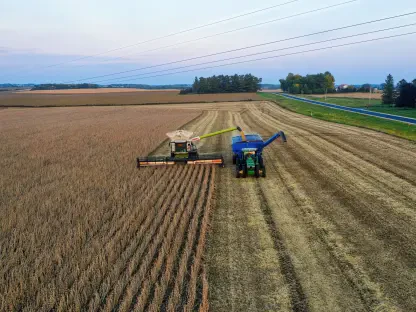
The agricultural sector serves as a primary proving ground for the latest advancements in moisture-resistant liner technology, as the demands of the cold chain are unforgiving. Fruits and vegetables are often subjected to hydro-cooling or are packed in high-humidity environments to maintain freshness, conditions that would cause standard corrugated packaging to lose its compression strength and collapse. To combat this, the industry is moving toward integrated liners that manage both external liquid moisture and the internal respiration of the produce itself. These liners are engineered to prevent the “wicking” effect, where moisture travels through the edges of the board, by incorporating hydrophobic treatments directly into the paper fibers before the final coating is applied. This multi-layered approach ensures that the box remains rigid even when stacked in refrigerated containers for several weeks, preventing the financial losses associated with crushed or damaged goods.
In the rapidly expanding world of e-commerce, the challenges are equally complex as packages are frequently exposed to the elements during the “last mile” of delivery. With the rise of doorstep deliveries, retailers are increasingly adopting moisture-resistant shipping liners to replace the single-use plastic over-wraps that were previously used to protect parcels from rain or snow. These new paper-based solutions must provide a reliable barrier for several hours without significantly increasing the weight or cost of the packaging. Furthermore, the chilled and frozen food subscription markets require liners that can handle the freeze-thaw cycle, where moisture levels fluctuate dramatically as the package moves from a delivery truck to a customer’s home. The development of liners that can withstand these thermal shifts without losing their barrier properties is a key area of focus for designers who are working to eliminate plastic foam and other non-recyclable insulators from the delivery ecosystem.
Geographical Diversification: Regional Responses to Unique Climates
The growth of the moisture-resistant paper liner market is not uniform across the globe, as regional industries respond to distinct environmental and economic pressures. Brazil, for instance, is witnessing some of the highest growth rates in the sector due to its status as a massive global exporter of animal proteins and fresh fruits. For Brazilian exporters, the ability to ship goods across the Atlantic or Pacific while maintaining the structural integrity of the packaging is a matter of economic survival. This has led to a surge in local production of high-performance moisture-resistant liners that can withstand tropical humidity during transit. In this region, the emphasis is on heavy-duty virgin Kraft liners that are treated with sophisticated dispersion coatings to provide a barrier against both moisture and the fats associated with meat packaging, showcasing how regional trade patterns dictate material requirements.
Conversely, the market in Germany and other parts of Northern Europe is defined by a mature and highly regulated recycling infrastructure that prioritizes the chemical “cleanliness” of packaging materials. Here, the focus is less on extreme weather durability and more on the ease with which a moisture-resistant liner can be processed back into high-quality recycled paper. This has fostered an environment of intense innovation in bio-based coatings derived from agricultural byproducts, which are viewed as more compatible with local environmental goals. Meanwhile, the United States remains the largest market by total volume, driven by its massive domestic shipping network and a decisive transition away from wax-coated corrugated boxes in the food service industry. The diversity of these regional demands ensures that the moisture-resistant liner market is a fragmented but vibrant space, with localized solutions often proving more effective than a “one-size-fits-all” global approach.
Corporate Strategy: Innovation Within the Competitive Landscape
The competitive landscape of the moisture-resistant paper liner industry is characterized by a strategic split between massive integrated paper companies and specialized material science firms. Global giants like Mondi, Sappi, and UPM are leveraging their control over the entire supply chain—from forest management to pulp production and coating application—to create highly optimized products. These companies are increasingly focused on “functional integration,” where moisture-resistant properties are built into the paper structure during the wet-end of the paper-making process. By incorporating hydrophobic additives early in production, they can create a base sheet that requires a thinner final coating, reducing material costs and improving the overall sustainability profile of the product. This vertical integration allows for a level of research and development that is difficult for smaller players to match, particularly in the development of proprietary bio-polymer coatings.
On the other hand, specialized producers like Ahlstrom and Billerud are carving out significant niches by focusing on high-performance metrics that integrated giants might overlook. These companies are often at the forefront of solving the “micro-cracking” issue, which occurs when a rigid moisture barrier is compromised during the high-speed folding and converting processes used to create boxes and bags. By engineering coatings that possess a degree of elasticity, these firms provide solutions for food brands that require both moisture resistance and the ability to heat-seal their packaging. These specialized players often partner with independent converters and packaging designers to provide highly customized solutions that are tailored to specific product lines, such as luxury cosmetics or specialized medical components. This dynamic between large-scale efficiency and specialized innovation is accelerating the pace of development, ensuring that the market continues to evolve toward more robust and flexible material options.
Technological Roadblocks: Bridging the Gap Between Protection and Recycling
Despite the clear trajectory toward sustainable moisture resistance, several technical hurdles remain that require sustained investment and ingenuity. There is a persistent paradox between the effectiveness of a moisture barrier and its ease of recycling; generally, the more a coating is cross-linked and hardened to block water, the more difficult it is to break down in a standard recycling facility. Finding the equilibrium where a liner provides 100% protection during its functional life but vanishes in the pulper is the central challenge for polymer chemists. Additionally, the “tackiness” or surface friction of some newer water-based coatings can cause significant issues on high-volume production lines. If a liner is too sticky, it can slow down the speed at which boxes are formed or cause jams in automated packing machines, a risk that many high-capacity manufacturers are unwilling to take without significant testing.
To address these production inefficiencies, the industry is currently investing in advanced polymer chemistry to create “intelligent” coatings that are non-tacky at room temperature but become active barriers once they are applied and dried. There is also a significant push toward incorporating bio-polymer integration, utilizing materials like seaweed extracts, starch derivatives, and even lignin from the pulping process itself to improve the environmental profile of the liners. As these technologies mature, the goal is to create moisture-resistant paper that can run at the same speeds and with the same mechanical reliability as the plastic-coated versions they are designed to replace. Overcoming these technical barriers is essential for moving moisture-resistant liners out of the “specialty” category and into the mainstream of the global packaging industry, where they can compete on both performance and price with traditional plastic-based materials.
The Path Toward 2036: Future Insights and Sustainable Transformations
The coming decade is expected to unfold through a series of disciplined phases, starting with a regulatory shakeout that will eliminate non-compliant and environmentally harmful materials from the market. As we approach 2036, the focus will shift from simple barrier performance to the integration of “smart” technologies and localized sourcing strategies. We are already seeing the emergence of barriers that can adjust their permeability based on the humidity levels inside a package, a breakthrough that could significantly extend the shelf life of fresh produce and pharmaceuticals. These active packaging solutions represent the next frontier of moisture management, where the liner does more than just block water—it actively regulates the internal environment of the container to optimize product freshness and safety. This level of sophistication will be a key differentiator for high-end packaging brands in the 2030s.
In summary, the transition toward the mid-2030s was defined by the industry’s successful pivot away from persistent chemicals toward sophisticated, fiber-based solutions. Manufacturers prioritized the development of flexible polymer chains that eliminated micro-cracking during the converting process, which previously hindered the adoption of high-barrier paper. The market successfully scaled the production of water-based dispersion coatings, making them cost-competitive with traditional plastic extrusion. By 2036, moisture resistance became a standard, expected feature for most industrial and food-grade paper stocks, rather than a premium specialty add-on. Companies that invested early in functional integration and repulpable chemistry secured their positions as leaders in a circular economy, proving that paper could reliably master the challenges of moisture while remaining a clean and valuable resource for the recycling industry. Success was measured by the seamless performance of these materials in the world’s most demanding logistics environments, from tropical shipping routes to the unpredictable conditions of doorstep delivery.