
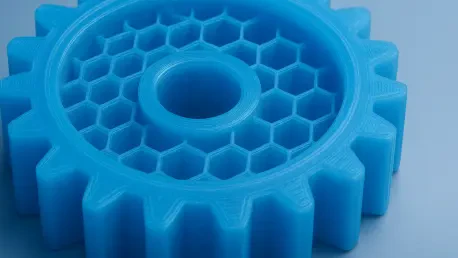
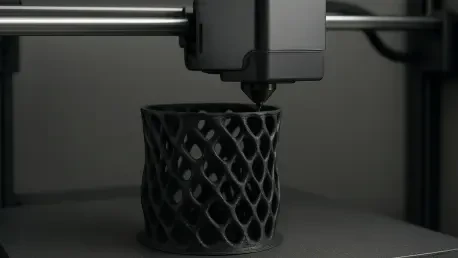
The decision to use specific infill patterns allows practitioners to engineer the internal characteristics of an object to meet high-impact resistance or weight-bearing requirements. In the current landscape of Fused Deposition Modeling, these internal structures act as the invisible backbone of

Fine chemical manufacturing traditionally depends on geographically concentrated resources that are increasingly sensitive to global supply chain disruptions. This vulnerability has prompted a massive re-evaluation of how the industrial sector approaches catalytic processes, which remain the

The Indian chemical sector is currently navigating a complex transition as it emerges from a three-year period of stagnation to reclaim its position as a global manufacturing powerhouse. While the previous few years were defined by compressed margins and cautious capital management, the current

The Zetamix metal 3D printing solution offers a robust method for creating mechanical parts while minimizing the safety risks inherent to traditional metal additive processes. This technological leap has found its most prestigious application aboard the French aircraft carrier Charles de Gaulle,

Emerging biotech firms often find the capital expenditure for building internal HPAPI-compliant facilities and analytical teams to be prohibitive. This financial barrier comes at a time when the oncology sector is undergoing a profound transformation fueled by the rapid ascent of Antibody-Drug
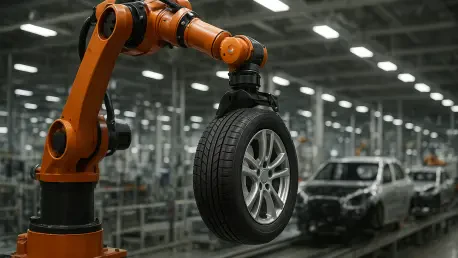
The shift toward autonomous humanoid labor relies on massive datasets acquired through simulated factory environments that mirror actual Hyundai production lines. This foundational strategy bridges the transition of Boston Dynamics’ Atlas from a viral sensation known for parkour into a pragmatic,
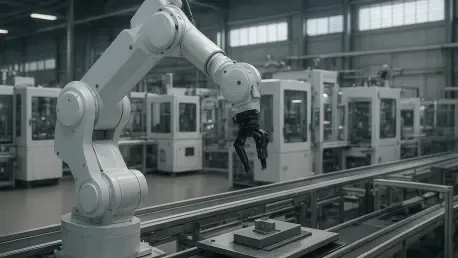
Precision machining facilities are adopting AI solutions to maintain their margins and ensure that pricing for complex parts remains accurate and competitive. The recent infusion of $20 million in capital, led by Nimble Ventures with backing from Lockheed Martin’s LM Ventures and others, signals a
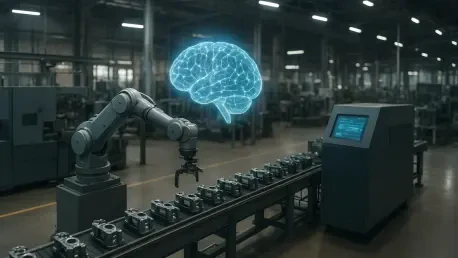
A smart factory is not a product available for purchase but rather a complex state achieved through the strategic development of custom software architecture. Despite the rapid proliferation of digital tools across the industrial landscape, a significant integration gap remains a primary obstacle

The global automotive landscape has shifted from a battle of mechanical engineering to a high-stakes digital war where software integration and battery chemistry dictate the winners of the next decade. As the industry moves away from internal combustion engines, legacy manufacturers in Detroit face
Digitizing the tracking of chemical and physical histories for metal powders eliminates the dangerous black box of material contamination in additive processes. This fundamental shift marks the transition from additive manufacturing as a mere fabrication tool to a sophisticated data-driven


