
For more than a century, the rhythmic hum of internal combustion engines defined the legacy of Greaves Cotton, but today that mechanical heartbeat is being replaced by the silent, high-torque efficiency of an electric revolution. The image of a traditional industrial powerhouse pivoting to high-tech innovation is often met with skepticism, yet this engineering staple is currently defying those expectations. While many legacy firms struggle to keep pace with the rapid shift toward electrification, this company is not just participating in the movement—it is attempting to rewrite its own DNA. With a massive surge in electric vehicle registrations and a strategic overhaul known as Greaves.Next, the firm is moving beyond its internal combustion roots to stake a claim in the global green energy landscape.
This strategic evolution is not just a localized effort to capture the burgeoning Indian market but a comprehensive attempt to become a central figure in the global energy ecosystem. As decarbonization targets become more stringent across the world, the ability of a major engineering house to pivot its massive industrial infrastructure serves as a bellwether for the rest of the manufacturing sector. By focusing on smart manufacturing and energy storage, the company aims to prove that established industrial giants can lead the charge into a sustainable future rather than being left behind by nimbler startups.
A Century-Old Engineering Giant Finds a New Current
The transition from a traditional engine manufacturer to a modern technology leader requires a fundamental change in organizational culture and operational focus. Greaves Cotton is addressing this by implementing a blueprint that prioritizes high-tech engineering over legacy hardware. This shift is not merely cosmetic; it involves deep structural changes designed to integrate software, sensors, and power electronics into a product line that once relied solely on mechanical components. The transformation is guided by the understanding that the future of mobility is defined by the intelligent management of energy rather than just the strength of steel.
Furthermore, the company is successfully navigating the “innovator’s dilemma” by balancing its existing revenue streams with aggressive investments in disruptive technologies. Instead of abandoning its core business, the firm is utilizing the stability of its traditional segments to fund the research and development required for the electric vehicle era. This approach allows for a controlled but decisive migration toward sustainable solutions, ensuring that the brand remains synonymous with reliability even as the technology beneath the surface undergoes a total revolution.
The Urgent Evolution of India’s Mobility Landscape
The global push for sustainability has transformed the automotive sector from a slow-moving industry into a high-stakes technology race. For a company that has long been a pillar of the engineering sector, the transition to electric mobility is not merely a choice but a necessity for survival in a rapidly changing world. As the domestic market for three-wheelers and two-wheelers electrifies at an unprecedented pace, the ability to integrate advanced powertrains and energy storage solutions determines which players will lead the next decade of transportation.
The stakes are particularly high in urban environments where air quality and noise pollution have reached critical levels, driving consumer demand for cleaner alternatives. This shift has created a vacuum in the market that legacy manufacturers must fill before international competitors gain a permanent foothold. By focusing on localized supply chains and robust engineering, Greaves Cotton is positioning itself as a primary architect of a cleaner transportation network, turning a regulatory challenge into a significant commercial opportunity.
Pillars of the Greaves.Next Roadmap: Automation and Energy Storage
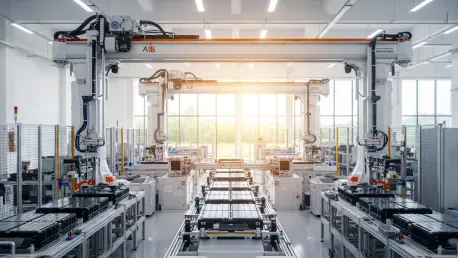
At the heart of the company’s transformation is the Greaves.Next strategy, a comprehensive blueprint designed to shift the firm’s focus toward tech-driven engineering. This involves a heavy investment in the Chakan Smart Manufacturing facility, where the introduction of robotic gantry cells has automated production to ensure precision and scale. These advancements allow for a higher level of consistency in manufacturing, which is essential when producing sensitive electric components that require strict quality control. The modernization of this facility serves as the physical foundation for the company’s digital ambitions.
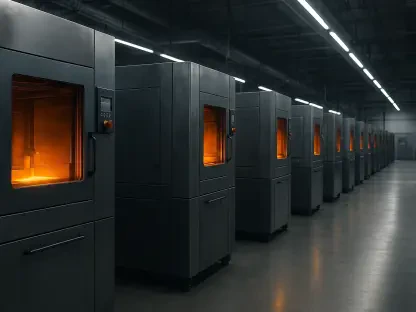
Beyond vehicle manufacturing, the company is diversifying into the broader energy ecosystem with its pilot Battery Energy Storage System facility. This move signals a transition from being a simple engine supplier to becoming a holistic provider of sustainable power solutions and engineered components for global partners. By collaborating with prestigious international firms like Caterpillar UK and TAFE, the organization is proving that its engineered components meet the highest global standards. This energy-first approach ensures the brand remains relevant even as the demand for traditional fuel-burning engines continues to decline.
Evaluating the Performance Surge in Electric Mobility and Core Engines
The financial health of Greaves Cotton suggests that its aggressive pivot is yielding tangible results, highlighted by a 31 percent year-on-year revenue increase to ₹975 crore. The most striking success comes from Greaves Electric Mobility, which saw registrations jump by 101 percent, significantly outpacing the broader industry’s growth. Leadership under CEO Parag Satpute and CFO Manish Poddar has focused on capturing market share in key regions such as West Bengal and Tamil Nadu, where the company now holds a commanding presence.
Despite headwinds from commodity inflation and high-cost materials like aluminum and steel, the ability to grow national market share to 5.6 percent demonstrates a high level of consumer trust. The company has successfully leveraged its extensive dealership network to educate consumers on the benefits of electric mobility, turning brand visibility into actual sales volume. This performance surge is not limited to electric vehicles alone; the automotive engine business also experienced significant growth, providing a stable financial cushion that supports ongoing innovation in the green energy sector.
A Framework for Global Expansion and Resilience Against Economic Headwinds
To secure its future, Greaves Cotton is implementing a specific strategy to scale internationally and stabilize its profit margins against global volatility. A central component of this plan is the establishment of Greaves International Trading FZE in Dubai, serving as a strategic hub for the Middle East and Africa. This expansion allows the company to tap into emerging markets where the demand for robust, efficient engineering is rising. By establishing a physical presence in these regions, the firm can better serve local customers and respond quickly to shifting market dynamics.
Furthermore, the company is leveraging its engineering versatility by expanding into specialized, high-regulation sectors such as defense-grade engines and firefighting equipment. These niche markets provide high-margin opportunities that are less sensitive to the consumer economic cycles that affect the automotive industry. By diversifying its portfolio, the organization ensures a steady revenue stream that balances legacy business with future-ready electric innovations. This multi-sector approach builds a level of resilience that is essential for navigating the complexities of the global industrial landscape.
To ensure long-term viability, the company prioritized the optimization of its supply chain and refined its electric powertrain architecture to meet the demands of a discerning global audience. Analysts observed that the shift from a traditional manufacturer to a technology-driven innovator provided the necessary momentum to withstand market volatility. The strategic focus on energy storage and international hubs established a foundation that allowed the firm to navigate the complexities of the green transition with confidence. By integrating defense-grade engineering into its commercial portfolio, the organization secured a multi-faceted revenue stream that mitigated risks associated with commodity price fluctuations. Ultimately, the successful execution of the Greaves.Next blueprint demonstrated a clear path toward sustainable industrial leadership in an increasingly electrified world.