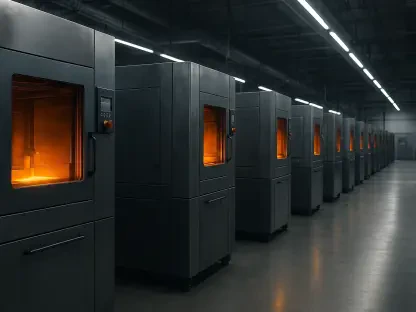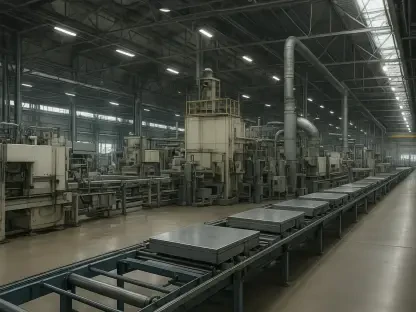

The establishment of a dedicated battery assembly line in Valladolid aims to localize the electric vehicle supply chain and reduce logistical costs across the Iberian Peninsula. This development is a pivotal component of Renault’s €600 million investment strategy, which is currently transforming Spanish manufacturing hubs into centers for high-voltage technology. As the automotive industry shifts away from traditional combustion engines, the “futuREady” plan serves as a roadmap for the company’s long-term survival and relevance in Europe. By integrating Spanish facilities into the global electrification framework, the Group is not only securing the future of the Palencia and Valladolid plants but also addressing the rapidly changing preferences of modern car buyers. This massive financial commitment underscores the necessity of industrial agility in a market defined by volatile demand and aggressive sustainability targets. Through these efforts, Spain is becoming a secondary hub for the Ampere division, complementing French production and ensuring that Renault can meet the increasing demand for cleaner transportation solutions across the continent.
Technical Evolution and Industrial Modernization
Implementing Advanced Platforms: The Palencia Facility
At the heart of the technological transition lies the Palencia factory, which has been designated to lead the charge in producing the next generation of electric vehicles. The facility is currently implementing the RGEV Medium 2.0 platform, a highly advanced 800-volt architecture that allows for significantly faster charging times and enhanced energy efficiency. This hardware is a cornerstone of the company’s efforts to compete in the crowded C-segment electric market, where consumers are increasingly demanding superior range and rapid power replenishment. By deploying such sophisticated engineering on Spanish soil, the company is bridging the gap between legacy manufacturing and the high-tech requirements of the current era. This upgrade involves a comprehensive overhaul of assembly lines, incorporating specialized robots and high-precision sensors that can handle the intricacies of electric drivetrains. The move essentially future-proofs the Palencia site, making it one of the most technologically capable facilities within the global industrial network.
Furthermore, the introduction of this 800-volt system represents a major leap forward in terms of manufacturing complexity and vehicle performance. This architecture is designed to support the brand’s premium electric offerings, providing a competitive edge against both domestic European rivals and emerging international entrants. To accommodate these changes, the Palencia plant has undergone significant structural modifications, including the installation of new quality control stations specifically tailored for high-voltage systems. This ensures that every vehicle rolling off the line meets the rigorous safety and performance standards required for modern electric mobility. The integration of such advanced platforms also serves as a catalyst for localizing high-tech components, as nearby suppliers must also upgrade their capabilities to meet the new specifications. Consequently, the investment in Palencia is not just about a single plant but about elevating the entire automotive ecosystem in the surrounding region to a more advanced technological level.
Localizing the Supply Chain: Battery Production in Valladolid
Simultaneously, the Valladolid facility is evolving to become a critical link in the battery supply chain, moving beyond its historical role in engine manufacturing. The newly established battery assembly line is designed to integrate cells into high-voltage packs directly on-site, which minimizes the risks and costs associated with transporting hazardous and heavy components over long distances. This localization strategy is vital for maintaining healthy margins in the electric vehicle sector, where battery costs remain the single largest expense in production. Beyond the financial benefits, this integration allows for a more streamlined production process, enabling a tighter feedback loop between vehicle assembly and battery installation. By anchoring these capabilities in the Iberian Peninsula, the Group is effectively insulating its operations against potential disruptions in the global logistics network. This approach provides a resilient foundation for the upcoming launch of five new vehicle models, ensuring that the necessary power systems are readily available.
In addition to the assembly line, the Valladolid plant is serving as a training ground for a new generation of automotive technicians specialized in electrochemical systems. The complexity of handling lithium-ion modules requires a high degree of precision and adherence to strict safety protocols, which are now being integrated into the factory’s standard operating procedures. This shift toward battery assembly also reflects a broader strategic pivot to reduce dependency on external battery pack manufacturers, allowing for greater control over the final product’s quality and performance. As the facility scales up its operations through 2028, it is expected to become a benchmark for efficiency within the Group’s global industrial footprint. The proximity of battery assembly to vehicle production not only reduces the carbon footprint of the manufacturing process but also improves the overall agility of the supply chain. This localized ecosystem is essential for responding to market fluctuations, as it allows the company to adjust production volumes quickly based on real-time consumer demand.
Strategic Restructuring and Labor Security
Balancing Electric Transitions: The Ampere and Horse Divisions
The investment is a tangible manifestation of the “Renaulution” strategy, which partitioned the company into specialized business units to handle the dual challenges of the energy transition. The Ampere unit focuses exclusively on software and electric vehicles, and the introduction of the RGEV platform in Spain signifies that its influence is expanding geographically beyond French borders. Simultaneously, the Horse Powertrain division, a joint venture managing internal combustion and hybrid technologies, remains deeply rooted in the region. Spain serves as a unique crossroads for these two divisions, where the Palencia and Valladolid sites prepare for a battery-centric future while the Sevilla plant continues to provide essential engine components. This “two-track” approach allowed the company to remain flexible, catering to markets that adopted electric vehicles at different rates while maintaining a strong presence in the hybrid sectors that still command significant market share. This balance was critical for maintaining profitability during a period of high capital expenditure.
Furthermore, this dual structure enabled the brand to leverage its historical strengths in mechanical engineering while simultaneously building a world-class reputation in digital and electric systems. The Ampere division’s focus on software-defined vehicles is particularly relevant in Spain, where the manufacturing centers are being equipped with digital twin technology and advanced data analytics to optimize production. Meanwhile, the Horse division ensures that the company does not abandon the profitable internal combustion engine market prematurely, especially in regions where charging infrastructure is still developing. This strategic split has created a more focused corporate environment, where each unit can pursue its own research and development goals without being hampered by the competing priorities of the other. By maintaining both capabilities under a single corporate umbrella, the Group has positioned itself to navigate the complexities of a fragmented global market. This organizational agility is a key differentiator, allowing for a phased transition that protects existing revenue streams while aggressively pursuing new growth opportunities.
Sustaining Economic Growth: Labor and Export Strategies
Crucially, the €600 million commitment was underpinned by a new collective labor agreement for the 2026–2028 period, which provided job security for more than 6,000 employees while facilitating the necessary technological upskilling. By securing these production mandates, the company ensured that its Spanish workforce remained competitive against lower-cost regions and technologically advanced rivals. This strategy relied on high export volumes, with approximately 86% of Spanish-made vehicles destined for markets like Germany and the United Kingdom. It was observed that maintaining this dominance required a constant focus on the advanced platforms that international consumers increasingly demanded. Ultimately, the successful pivot to electric vehicle manufacturing transformed current market challenges into a roadmap for long-term industrial resilience. Stakeholders were encouraged to continue investing in local supply chain depth and renewable energy integration to maintain this momentum. The transition proved that proactive restructuring and governmental collaboration could effectively safeguard a nation’s industrial heritage.
The strategic deployment of the investment across Spain established a robust framework for long-term industrial resilience and set a precedent for other legacy manufacturers. By modernizing production lines and localizing battery assembly, the Group successfully integrated advanced technology with a skilled workforce, ensuring that Spanish plants remained central to the European export market. It was found that focusing on high-efficiency 800-volt platforms allowed the brand to capture a significant share of the premium electric vehicle segment, while the dual-track strategy mitigated the risks of a non-linear energy transition. Moving forward, manufacturers should prioritize deep supply chain integration and workforce training as the primary drivers of competitiveness in an increasingly electrified world. Future initiatives will likely focus on further expanding renewable energy use within these factories and exploring solid-state battery integration to maintain a technical edge. The lessons learned from this transformation showed that bold capital allocation, when paired with labor stability and governmental support, effectively converted industrial challenges into a sustainable roadmap for growth.