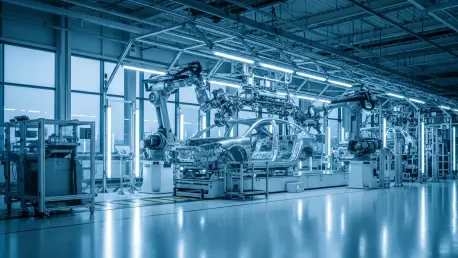

The British automotive landscape is currently grappling with a stark reality as domestic vehicle assembly figures have fallen to levels that test the resilience of even the most established manufacturing facilities across the country. This downturn is not merely a statistical blip but represents a fundamental shift in how global supply chains and local energy costs are impacting the viability of heavy industry within the United Kingdom. While other European nations are seeing a steady stabilization of their factory outputs, British plants are navigating a complex web of logistical delays and a transition toward electrification that has proven more turbulent than many analysts predicted. The immediate concern is whether this dip is a temporary setback or a permanent contraction of a sector that once stood as a cornerstone of the national economy. With thousands of jobs and billions in export revenue on the line, the focus has shifted toward finding a sustainable path back to growth through innovation and policy reform.
Navigating the Transition to Electric Mobility
Part 1. Investment Strategies for Battery Production
Securing a domestic supply of lithium-ion batteries has become the primary hurdle for manufacturers attempting to revitalize production lines that have recently gone quiet. The reliance on imported battery cells from East Asia has left UK-based automakers vulnerable to fluctuations in shipping costs and international trade tensions that have only worsened in the current climate. To counter this, there is an urgent push to establish more gigafactories on British soil, following the model of successful expansions seen in other regions. These facilities are essential not only for reducing the carbon footprint of the production process but also for ensuring that vehicles meet the stringent rules of origin required for tariff-free trade. Without a significant surge in domestic cell manufacturing capacity, the cost of producing electric vehicles in the UK will remain prohibitively high. This necessitates a more aggressive approach to securing private investment through government guarantees.
Part 2. Mineral Supply and Material Resilience
Beyond the assembly of the batteries themselves, the industry must address the critical shortage of raw materials required for high-performance electric motors and energy storage systems. The competition for cobalt, nickel, and rare earth elements has intensified globally, leaving smaller production hubs struggling to maintain consistent inventory levels. By developing local processing facilities and investing in recycling technologies, the UK could potentially create a circular economy that mitigates the need for constant raw material extraction. This strategy would provide a more stable foundation for the industry between 2026 and 2028, allowing for a more predictable production schedule that is less susceptible to external shocks. Establishing long-term contracts with mining operations in friendly jurisdictions is another vital step that could protect the supply chain. Such foresight is necessary to prevent further production shutdowns that have plagued the sector lately.
Addressing Trade Barriers and Energy Costs
Part 3. Stabilizing Post-Brexit Logistical Frameworks
The complexities of moving parts and finished vehicles across borders continue to weigh heavily on the productivity of UK automotive plants in the current year. While the initial friction of new trade arrangements was expected, the persistent administrative burdens and inspection requirements have created a bottleneck that slows down the entire manufacturing process. To facilitate a rebound, there must be a concerted effort to digitize customs procedures and create more efficient corridors for the movement of automotive components. Implementing advanced tracking systems that allow for real-time monitoring of shipments could significantly reduce the time spent in transit and minimize the risk of assembly line stoppages. Furthermore, seeking greater regulatory alignment on technical standards would help to eliminate redundant testing and certification processes that currently add unnecessary costs. Streamlining these logistical hurdles is a prerequisite for returning to standard production.
Part 4. The Path to Long-Term Industrial Recovery
The path to recovery for the British automotive industry required a fundamental reassessment of how vehicles were designed, built, and transported across the globe. Industry leaders recognized that simply waiting for market conditions to improve was not a viable strategy; instead, they moved toward a more integrated approach that combined technological innovation with localized supply chains. By prioritizing the development of domestic battery chemistry and solid-state technology, the sector created a unique niche that attracted significant foreign capital and renewed interest from global buyers. The government and private sectors worked in tandem to lower the barriers to entry for new startups, fostering a more diverse and resilient ecosystem. Looking forward, the focus shifted toward autonomous driving systems and shared mobility platforms to diversify revenue streams. These strategic shifts ensured that the manufacturing base remained relevant in a rapidly evolving market.