
The traditional wall separating the chemical laboratory from the rubber-scorched pavement of the automotive world has been dismantled by a single, calculated corporate maneuver. As the specialty chemical sector undergoes a profound paradigm shift, traditional boundaries between material suppliers and end-product manufacturers are blurring in unprecedented ways. When Himadri Speciality Chemical Ltd. (HSCL) announced its plan to absorb the tire division of Dalmia Bharat Refractories Ltd. (DBRL), it was not merely a corporate acquisition. Instead, it represented a clear declaration of intent to dominate the entire industrial value chain.
By moving downstream, Himadri is transitioning from the laboratory and the furnace directly onto the road. This shift challenges the conventional wisdom of industrial specialization, suggesting that the most resilient companies of the future are those that control their products from inception to application. This strategic pivot ensures that the organization no longer operates simply as a vendor but as an integrated manufacturer capable of steering its own destiny in a competitive global market.
A Bold Pivot: From Raw Material Supplier to End-Product Manufacturer
The decision to acquire a functioning tire production unit marks a significant departure from Himadri’s historical identity. For years, the company has been recognized as a premier provider of high-grade carbon materials. However, by integrating the tire division of Dalmia Bharat Refractories, the company has effectively eliminated the distance between its raw material production and the final consumer product. This move allows the firm to capture value that was previously lost to external manufacturing partners.
This transition is about more than just increasing revenue; it is about establishing a presence in the high-stakes automotive industry. By absorbing an existing business unit, Himadri gains immediate access to specialized manufacturing infrastructure and established product lines. The shift demonstrates a proactive approach to market evolution, where the goal is to lead the industrial narrative rather than simply responding to the demands of third-party buyers.
Vertical Integration: Why it is Reshaping the Specialty Chemical Landscape
In an era defined by supply chain volatility and fluctuating commodity costs, owning the customer has become a vital survival strategy for industrial giants. This acquisition addresses the inherent risks of remaining a pure-play raw material provider, where profit margins are frequently squeezed by global economic shifts. By integrating a tire manufacturing unit, Himadri secures a captive market for its core products, such as carbon black. This ensures that its manufacturing plants remain operational and profitable regardless of external market demand.
Moreover, this integration mirrors a broader global trend where chemical companies seek circular advantages to protect their bottom lines. Integrating the manufacturing process from the molecular level to the final rubber compound allows for greater innovation and quality control. This strategy creates a defensive moat around the business, insulating it from the typical boom-and-bust cycles associated with being a basic material supplier in a globalized economy.
Dissecting the Deal: Assets, Value, and the Share-Swap Mechanism
The transaction is built on a sophisticated legal and financial framework designed to ensure a seamless transition for both entities. Himadri is acquiring the tire business on an “as is where is” basis, which encompasses everything from physical manufacturing infrastructure and debt obligations to established brands and trademarks. This “going concern” framework ensures that the business does not stop moving during the transition, maintaining its momentum and market presence while the new corporate structure takes hold.
Rather than depleting its cash reserves, the company has employed a strategic share-swap mechanism to finalize the deal. Based on the agreed-upon ratio of 1:260, Dalmia Bharat Refractories shareholders will receive one Himadri share for every 260 shares they hold. This structure, backed by rigorous fairness opinions from SEBI-registered merchant bankers and independent valuers, preserves the company’s liquidity for future research and development projects. Scheduled for an appointed date later this year, the deal currently awaits final clearance from the National Company Law Tribunal.
Expert Perspectives: Synergy and Market Positioning
Industry analysts and the Board of Directors view this merger as a masterstroke in operational efficiency and research synergy. One of the most significant advantages is the creation of an innovation feedback loop. Direct involvement in tire manufacturing allows the chemical division to receive real-time data on material performance under actual driving conditions. This intelligence significantly shortens the research and development cycle for high-performance carbon materials, allowing the company to outpace competitors who rely on delayed feedback from external clients.
From a financial perspective, the transaction offers high strategic value with minimal disruption to the existing governance. Experts have noted that the promoter holding will see only a negligible shift, moving from 52.49 percent to 52.47 percent. This suggests that the management can pursue aggressive growth without destabilizing the current control of the company. Additionally, by centralizing the procurement of raw materials and streamlining logistics, the combined entity is expected to achieve significant economies of scale that were previously inaccessible to the independent tire unit.
Strategic Frameworks: Post-Merger Integration
For a deal of this magnitude to succeed, the focus must shift from the boardroom to the factory floor through specific integration strategies. Management is currently working on a captive consumption protocol to ensure that internal carbon black production is prioritized for the newly acquired tire unit. This must be achieved without compromising existing third-party contracts, requiring a delicate balance of production capacity and logistical precision. A shared services model is also being developed to bridge the cultural gap between chemical manufacturing and the consumer-facing requirements of the tire industry.
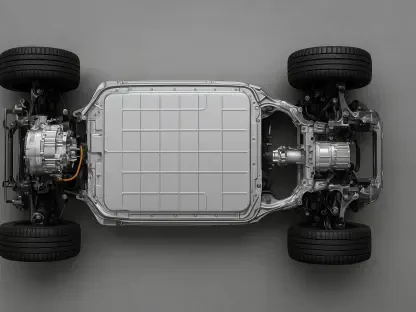
Looking toward the future, the organization intends to leverage its newly acquired intellectual property to target the high-growth electric vehicle segment. Specialized carbon materials are in high demand for tires that can handle the unique weight and torque profiles of electric cars. By monitoring regulatory milestones and maintaining transparent communication with public shareholders, the company aims to use this acquisition as a launchpad for a new generation of high-tech automotive products.
The strategic acquisition of the tire business officially redefined the corporate trajectory of the organization. The board of directors finalized the share-swap ratio after evaluating the long-term benefits of owning a downstream manufacturing entity. Market analysts observed that the move successfully insulated the company from the volatility of the raw material market while providing a direct channel for innovation. This merger proved that vertical integration was a viable path for specialty chemical firms seeking to dominate the automotive supply chain. The transition set a new standard for industrial consolidation, ensuring that the company was prepared for the technical demands of the electric vehicle era. Stakeholders recognized that the move effectively consolidated expertise and assets to create a more resilient and versatile business model. In the end, the integration provided the necessary foundation for sustained growth in a rapidly changing global economy.