
The transition toward sustainable transportation in India has moved beyond mere speculation, as local manufacturers now demonstrate the industrial maturity required to support massive urban logistics networks. Omega Seiki Mobility, popularly known as OSM, recently secured a pivotal ₹50 crore capital injection from Securocorp Securities and several private investment offices, signaling its evolution from an emerging startup into a large-scale industrial force. This financial surge enables the company to significantly modernize its Faridabad and Pune production facilities, directly addressing the mounting pressure for cleaner delivery alternatives across various metropolitan hubs. By scaling operations, the organization is bridging the gap between niche innovation and mainstream adoption. The current strategy is no longer solely on prototyping but on executing a high-volume manufacturing plan that aligns with national decarbonization targets. This expansion ensures that the logistical backbone of the country can transition to electric power without compromising on scale.
Industrial Expansion: Strengthening Manufacturing and Engineering Excellence
By funneling these newly acquired resources into its core production sites, the company is preparing to ramp up manufacturing to meet the booming demand for electric delivery solutions. The Faridabad and Pune factories are being upgraded with advanced automation and streamlined assembly lines to increase throughput while maintaining rigorous quality control standards. This industrial expansion is not just about quantity; it is about creating a robust supply chain that can withstand the logistical challenges of the Indian market. Investors have recognized that the ability to manufacture at scale is the primary differentiator in a crowded field of competitors. Consequently, the firm is positioning itself as a reliable partner for companies that require thousands of vehicles to sustain their daily operations. This focus on physical infrastructure serves as the foundation for all subsequent technological developments, ensuring that the brand remains a permanent fixture in the rapidly evolving automotive landscape of the region.
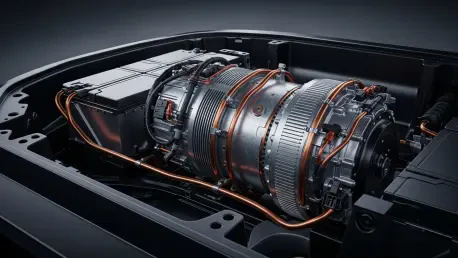
Beyond just increasing volume, the company is doubling down on research and development to refine its vehicle technology through intensive engineering cycles. In the world of commercial transit, the primary metric for success remains the Total Cost of Ownership, and the firm is optimizing its battery chemistry and payload capacities to ensure its fleet is more cost-effective than traditional gas-powered vehicles. By focusing on thermal management systems and energy density, the engineers are extending the range of their vehicles while reducing the frequency of maintenance intervals. This technical efficiency helps the brand offer sustainable transportation that makes genuine economic sense for businesses of all sizes. The integration of smarter telematics and real-time diagnostic tools allows fleet managers to monitor energy consumption and driver behavior, further driving down costs. These innovations ensure that the shift to electric vehicles is driven by financial logic as much as it is by environmental responsibility, creating a self-sustaining cycle of adoption.
Strategic Growth: Diversifying Portfolios and Financial Resilience
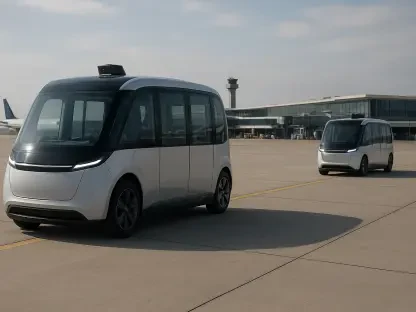
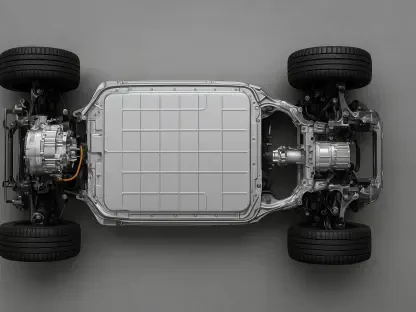
While initially known for its cargo three-wheelers, the organization is aggressively expanding its portfolio to serve a wider range of customers across different segments. The current lineup spans from electric passenger vehicles designed for public transit to premium two-wheelers for individual consumers and light commercial vehicles for regional logistics. This strategy of diversification helps the company hedge against market fluctuations while positioning itself as a one-stop shop for both corporate fleet managers and everyday commuters. By entering the passenger segment, the firm is tapping into the high-frequency urban commute market, which requires high durability and low maintenance. Each vehicle category is developed with specific use cases in mind, ensuring that the architecture of the frame and the power of the motor are perfectly matched to the intended payload. This broad approach allows the brand to capture value across the entire transportation ecosystem, rather than being confined to a single niche or logistical vertical.
Financially, the company stands out by prioritizing profitability in a sector often defined by high cash burn and unsustainable growth models. The firm reported impressive revenues of approximately ₹333 crore for the current fiscal period, showing a healthy profit after tax and solid operating margins. With a market valuation estimated to reach as high as ₹2,833 crore, the organization has earned significant investor confidence through its disciplined approach to growth and its strong ties to the manufacturing expertise of the Anglian Omega Group. This financial stability is a rare feat in the electric vehicle industry, where many players struggle to balance innovation with fiscal responsibility. By maintaining a lean operational structure and focusing on high-margin commercial segments, the company has created a template for sustainable business growth. This solid balance sheet provides the necessary cushion to invest in future technologies, such as advanced solid-state batteries and autonomous delivery features, which define the next era.
Operational Reliability: Integrating Alliances and Ecosystem Support
A major driver of the recent success is the deep integration with global logistics giants and local retail leaders who are looking to green their supply chains. Companies like Amazon, Flipkart, and Zomato rely on these electric vehicles for their urban delivery routes, where predictable schedules allow for efficient charging and substantial fuel savings. These enterprise partnerships do more than just provide steady sales; they offer the company critical real-world data used to further improve vehicle performance and reliability in diverse environmental conditions. By working closely with these partners, the firm can tailor its vehicle designs to meet the specific requirements of last-mile delivery, such as specialized cargo bins or rapid-swapping battery compartments. This collaborative approach creates a feedback loop that accelerates the pace of innovation. As these delivery giants expand their electric fleets, the manufacturer benefits from increased volume and a stronger presence in every major city, solidifying its market share.
The establishment of a nationwide network for maintenance and after-sales support became the cornerstone of the company’s long-term strategy for operational reliability. Unlike personal cars, delivery vehicles could not afford significant downtime, so the organization ensured that spare parts and technical assistance were readily available at every major hub. This commitment to vehicle uptime acted as a major differentiator, giving fleet operators the peace of mind needed to transition fully to electric power. Looking forward, the industry must prioritize the standardization of charging connectors and the integration of vehicle-to-grid technologies to stabilize the local energy infrastructure. Actionable steps involved training a new generation of technicians skilled in high-voltage electronics and battery chemistry to support the growing fleet. By fostering these specialized skill sets, the sector avoided the bottlenecks associated with traditional repair networks. These initiatives proved that a holistic ecosystem approach was the only way to achieve a permanent shift.