
The global transition to sustainable mobility has shifted from a distant corporate objective into an immediate operational necessity for the world’s most prestigious automotive manufacturers. Mercedes-Benz is currently demonstrating this shift through a massive one-billion-euro expansion of its manufacturing facility in Kecskemét, Hungary, which positions the site as a cornerstone of the company’s electrification strategy. This capital injection is not merely an exercise in increasing floor space; it represents a fundamental reconfiguration of how luxury vehicles are designed and assembled. By doubling the footprint of this strategic location, the automaker is creating a high-tech ecosystem capable of integrating next-generation battery technology with traditional craftsmanship. This evolution serves as a blueprint for the industry, showcasing how legacy brands pivot toward an electric-first future while maintaining the quality standards that have defined their identity for a century.
Strategic Growth and Infrastructure Upgrades
Expanding the Physical Manufacturing Footprint
The physical metamorphosis of the Kecskemét plant has turned the site into a sprawling industrial hub that now spans 440 hectares, making it the most extensive Mercedes-Benz production facility in Europe. This expansion involved the construction of specialized assembly halls designed for the unique architectural requirements of modern electric vehicles. Unlike traditional internal combustion engines, battery-electric drivetrains necessitate different floor plans and specialized equipment for handling heavy chassis components and high-voltage systems. The addition of a second press shop and an advanced paint facility ensures that the site can handle the entire production lifecycle with heightened efficiency. These new structures are engineered to be modular, allowing the plant to adapt quickly to changing consumer preferences. This massive scale-up is essential for meeting the growing volume of orders as the brand transitions its primary model lines to full electrification.
Establishing Localized Battery Assembly Operations
Building on this foundation, the integration of a dedicated on-site battery assembly facility represents a major shift in the company’s logistical strategy. By manufacturing high-voltage battery packs in the same location where vehicles are assembled, the automaker significantly reduces the complexities and risks associated with transporting these heavy components across long distances. This vertical integration not only streamlines the manufacturing process but also provides greater control over the quality and safety of the energy storage systems that power the latest electric fleet. Furthermore, the localized production of batteries contributes to a more resilient supply chain, insulating the plant from external logistical disruptions that have frequently plagued the global industry. This approach aligns with broader corporate goals to minimize carbon emissions across the entire value chain by reducing the physical distance between component manufacturing and final assembly.
Flagship Models and Production Exclusivity
Manufacturing the Next Generation C-Class Sedan
The successful rollout of the all-electric Mercedes-Benz C-Class marks a pivotal moment for the Kecskemét site, as it is the first core battery-electric sedan to be manufactured at this specific location. Built on the sophisticated MB.EA-M platform, this model is designed to compete at the highest levels of the premium segment, offering a driving range of up to 474 miles and featuring ultra-fast charging capabilities that cater to the needs of modern travelers. The production of the C-Class in Hungary serves as a testament to the plant’s ability to handle high-complexity vehicle architectures that require precise software integration. This launch demonstrates that the recent investments in automation and specialized assembly lines are already yielding tangible results, providing the company with a powerful tool to capture market share. The vehicle’s performance metrics and technological features set a new standard for the brand’s core electric offerings in the current market.
Exclusive Production of the Electrified G-Class
Adding to the site’s prestige, the decision to build the compact version of the G-Class exclusively in Hungary highlights the immense trust that corporate leadership places in the regional workforce. While this smaller, electrified version of the iconic off-roader maintains the rugged DNA and distinctive aesthetic of its larger sibling, its production requires a unique blend of traditional manufacturing and cutting-edge electric technology. By securing the rights to manufacture this prestigious nameplate, the Hungarian facility has cemented its status as a premier hub for the brand’s most recognizable and technologically significant electric models. This exclusivity not only ensures long-term job security for the local economy but also positions the site as a focal point for the company’s global marketing and brand expansion efforts. The successful integration of such a high-profile vehicle demonstrates the plant’s readiness to lead the next chapter of automotive luxury.
Digital Innovation and Environmental Stewardship
Optimizing Workflows Through Software-Defined Production
Digital transformation is at the core of the factory’s operational philosophy, utilizing the Mercedes-Benz Operations 360 ecosystem in conjunction with the NVIDIA Omniverse platform to redefine modern manufacturing. By creating comprehensive Digital Twins of the production environment, engineers are able to simulate and optimize every aspect of the assembly process in a virtual space before any physical changes are implemented. This proactive approach minimizes downtime and ensures that new vehicle lines can be integrated with surgical precision. To complement this virtual planning, the plant utilizes AI-powered camera systems that monitor quality in real-time, detecting even the most minute deviations that might escape human observation. This level of digital oversight ensures that every vehicle leaving the line meets the exacting standards expected of a luxury brand. This transition toward software-defined manufacturing represents a significant leap in efficiency and quality control.
Implementing Sustainable Energy for Industrial Operations
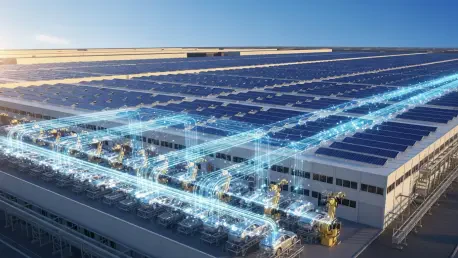
Environmental responsibility served as a foundational principle during the expansion, leading to the installation of a massive 42.3 MW solar park that provided a substantial portion of the facility’s energy requirements. This renewable infrastructure, combined with high-efficiency paint systems, allowed the plant to drastically lower its carbon footprint even as production capacity doubled. The use of advanced thermal recovery systems and sustainable water management further illustrated the commitment to ecological stewardship that defines global operations. Moving forward, the focus shifted toward achieving a completely carbon-neutral production cycle through the integration of green hydrogen and further expansions in on-site renewable generation. These measures provided a viable solution for decarbonizing heavy industrial processes while maintaining high output levels. The project established a clear pathway for other hubs to follow, proving that industrial growth and sustainability were compatible.