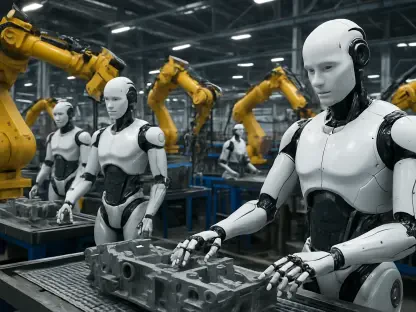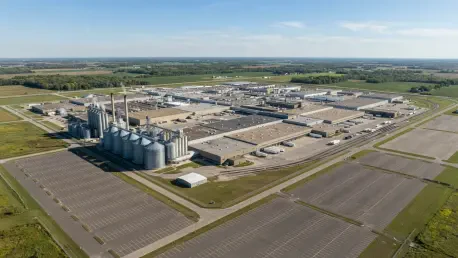

The rhythmic hum of assembly lines in the American Midwest has long served as the heartbeat of the nation’s industrial identity, yet the pulse is growing increasingly erratic despite a surface-level appearance of vitality. The 3.5 percent decline in Michigan’s auto parts manufacturing sector highlights a growing disconnect between political promises of growth and the actual data reported by the Bureau of Labor Statistics. While the narrative of a triumphant industrial resurgence has recently taken center stage in national political discourse, particularly following high-profile visits to automotive proving grounds, the ground-level reality is shifting rapidly. Prominent figures have frequently touted a comeback for the domestic sector, credited largely to protectionist trade policies and aggressive tariffs aimed at reshoring manufacturing. This messaging frames the state’s industrial health as a direct result of government intervention, suggesting that factories have been saved from foreign competition at all costs. However, beneath this optimistic rhetoric lies a more complicated reality, as empirical data suggests that the transition toward a modernized automotive landscape is far more turbulent than many leaders claim.
Labor Market Realities: Analyzing the Statistical Gap
Employment Fluctuations: Measuring the Impact of Job Losses
According to the most recent data from the Bureau of Labor Statistics, Michigan’s auto parts manufacturing sector experienced a significant loss of approximately 4,000 jobs over the past twelve months. This trend is mirrored in the broader manufacturing landscape, where the state saw a total reduction of roughly 7,000 positions across various sub-sectors. These losses are particularly significant because they highlight the vulnerability of the smaller firms that form the backbone of the automotive supply chain in 2026. While large automakers receive praise for retooling flagship factories and announcing multi-billion dollar investments, the secondary and tertiary suppliers are often the ones bearing the brunt of trade volatility and rising operational costs. This discrepancy indicates that the top-down economic narrative often overlooks the granular struggles of local businesses that cannot easily absorb the shocks of fluctuating international trade policies or the sudden shifts in domestic production priorities.
The Supplier Squeeze: Vulnerability of Smaller Manufacturing Firms
The supplier squeeze has become a tangible burden for smaller companies that provide the essential components for vehicle production. These businesses are currently navigating a volatile economic environment where the costs of raw materials remain high and demand for new technologies fluctuates, leading to significant job cuts that contradict the narrative of a seamless industrial recovery. Many of these firms lack the capital reserves of major corporations like General Motors or Ford, making them more susceptible to the inflationary pressures associated with protectionist measures. When tariffs drive up the price of imported steel or specialized electronics, these costs are frequently passed down the chain, squeezing margins until layoffs become the only viable path to survival. Consequently, the health of the industry cannot be measured solely by the success of high-profile assembly plants, as the erosion of the supplier base poses a long-term threat to the overall stability of Michigan’s manufacturing ecosystem.
Operational Burdens: The Rising Cost of Raw Materials
The escalating costs of raw materials and energy have forced many Michigan-based manufacturers to reconsider their long-term growth strategies. While political rhetoric often suggests that domestic production is shielded from global price spikes, the reality of a globalized supply chain means that American factories remain sensitive to international market shifts. For instance, the price of specialized alloys and high-grade plastics used in modern vehicle components has remained stubbornly high, largely due to supply chain disruptions that even the most aggressive trade policies have failed to fully mitigate. This environmental pressure creates a paradox where companies are encouraged to bring production back to the United States but find that the operational overhead of doing so significantly limits their ability to expand their workforce. For many mid-sized suppliers, the focus has shifted from expansion to mere retention, as they struggle to maintain their current headcount while balancing the need for technical innovation.
Long-Term Stability: Margin Pressures in Modern Manufacturing
Navigating the current economic landscape requires a delicate balance between maintaining traditional manufacturing capacities and investing in the high-tech requirements of the future. The pressure to innovate is constant, yet the financial margins for doing so are thinner than ever for many Michigan parts makers. As larger automakers demand more complex and lightweight components to meet new regulatory standards, suppliers are forced to invest in expensive new machinery and software, often without a guaranteed long-term contract. This atmosphere of uncertainty has led to a cautious approach to hiring, where many companies prefer to rely on automation or temporary labor rather than committing to permanent full-time positions. The resulting instability contributes to the overall decline in manufacturing employment, suggesting that the industry’s comeback is being achieved through increased efficiency and technology rather than through a traditional return to the massive labor forces that once defined the region.
Structural Disruptions: Navigating the Electrification Transition
EV Transition: Challenges in the Pivotal Shift to Electric Vehicles
The primary disruptor in Michigan’s automotive sector is the high-stakes transition from internal combustion engines to electric vehicles. Although the industry consensus points toward an electric future, the path is currently marked by significant consumer hesitancy and persistent infrastructure gaps. Major automakers have been forced to make pragmatic adjustments to their strategies, such as delaying next-generation electric truck programs to protect their immediate bottom lines. These delays directly impact future job projections and plant utilization rates, illustrating that the industry’s progress is not a steady climb but a series of difficult pivots based on market realities. For workers, these delays translate into postponed shifts and reduced hours, creating a sense of precariousness even in facilities that have been earmarked for electrification. The transition requires a complete overhaul of both hardware and human capital, a process that is proving to be more expensive and time-consuming than initially projected.
Program Delays: Adjusting to Global Market Realities
The decision to pause or scale back specific electric vehicle programs highlights the sensitivity of the Michigan auto industry to shifting consumer preferences and global economic trends. When a major manufacturer like General Motors chooses to delay a high-profile launch, the ripple effects are felt throughout the entire supply chain, from the battery engineers in the suburbs of Detroit to the assembly line workers in Flint. These delays are often the result of a mismatch between the supply of new technology and the readiness of the market to adopt it at scale. Furthermore, the logistical complexities of sourcing rare minerals and establishing robust battery recycling programs have added layers of difficulty to the manufacturing process. This period of recalibration is necessary for long-term sustainability, but in the short term, it creates a vacuum where job growth stalls. The industry is essentially in a holding pattern, waiting for infrastructure and demand to align with the massive investments already made.
Workforce Skepticism: Realism on the Assembly Line floor
For the members of the United Auto Workers and those working on the assembly lines, the health of the industry is measured by shift stability and overtime availability rather than by political campaign promises. There is a persistent and growing skepticism among the workforce regarding whether high-level rhetoric actually translates into long-term job security or better wages for the average employee. Workers often maintain a cynical view of trade talk, having seen firsthand how global supply chain dynamics and corporate strategy can outweigh the effects of government policy. This realism reflects a deep-seated understanding that the industry’s survival depends on sustained product innovation and genuine consumer demand rather than slogans. Assembly line staff are increasingly focused on the arrival of actual product lines and the tangible signs of factory longevity, such as long-term retooling projects, rather than the abstract promises of a political comeback that often feels distant.
Strategic Navigation: Lessons from the Modernized Landscape
The Michigan automotive landscape was fundamentally reshaped by a period of intense technological change and economic recalibration. Stakeholders eventually acknowledged that protectionist tools alone were insufficient to guarantee the long-term survival of the manufacturing base without accompanying investments in workforce training and infrastructure development. Manufacturers that prioritized agility and diversified their product lines were better equipped to handle the fluctuations of the electric vehicle market. State officials and industry leaders recognized the need to move beyond simple trade rhetoric and focused instead on creating a sustainable ecosystem that supported both legacy production and emerging technologies. This transformation required a collective effort to address the rising costs of raw materials and the logistical hurdles of a globalized economy. Ultimately, the industry learned that success was defined by the ability to adapt to a shifting technological landscape while maintaining a stable and technically proficient workforce that could meet the demands of a new era.