
The Strategic Union: Rockwell and AGILOX
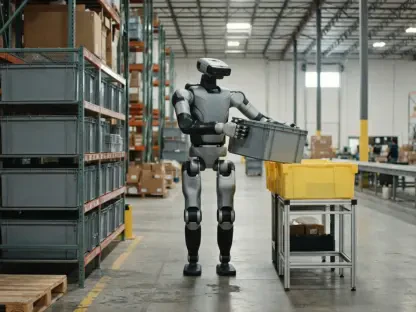
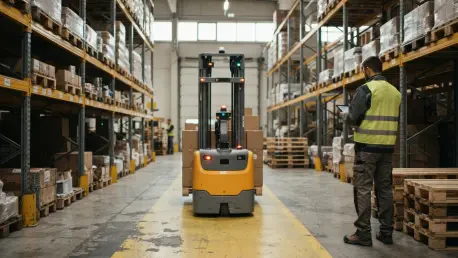
The global manufacturing sector is currently navigating a period of unprecedented volatility where the speed of supply chain execution has become the ultimate differentiator for industrial profitability. Rockwell Automation has responded to these pressures by entering into a definitive agreement to acquire AGILOX, an Austrian innovator that has redefined the capabilities of autonomous mobile robots (AMRs). This acquisition is more than a simple expansion of a product line; it represents a strategic move to capture a significant portion of the high-growth autonomous forklift market. By integrating specialized AGILOX technology, Rockwell is positioning its robotics business to expand by over 50%, filling a critical gap in its automated material handling ecosystem.
The acquisition targets a specific need for intelligence at the edge of the factory floor, focusing on how materials move between production stages without human intervention. While the agreement has been solidified, the finalization of the integration is expected to continue through 2027 as regulatory requirements are met and operational structures are aligned. The strategic goal is to amplify the value of existing automation investments for a global customer base that is increasingly looking for flexible, scalable solutions. This partnership signaled the beginning of a new chapter where software-driven mobility becomes the central nervous system of the modern industrial facility, allowing for a level of agility that was previously unattainable.
Foundations: Modern Material Handling
The shift toward fully autonomous environments has been a gradual process, moving from the rigid constraints of traditional factory layouts to the fluid dynamics of modern logistics. In the past, material movement was largely restricted to fixed systems like conveyor belts or Automated Guided Vehicles (AGVs) that relied on magnetic strips or wires embedded in the floor. These older systems were not only expensive to install but also extremely difficult to reconfigure, creating a bottleneck whenever a manufacturer needed to change a production line. The industry has since pivoted toward AMRs, which utilize onboard sensors and sophisticated algorithms to navigate around obstacles and adapt to changing environments in real-time.
Rockwell has been preparing for this transition for several years, notably with its 2023 acquisition of Clearpath Robotics and its OTTO Motors division. This previous move established a strong baseline in heavy-duty material transport, but the addition of AGILOX introduces a specialized focus on forklift AMRs and high-precision warehouse tasks. Understanding this trajectory is essential for recognizing how the current deal consolidates the most advanced navigation and software technologies under a single global umbrella. The focus has shifted away from static infrastructure toward “plug-and-play” intelligence, where robots can be introduced to a floor and begin productive work with minimal setup time.
Driving Innovation: Autonomous Mobility
The Evolution: Plug and Perform Technology
A primary driver of AGILOX’s success has been its commitment to the “Plug & Perform” philosophy, which aims to eliminate the massive downtime typically associated with robotic installations. While traditional automation projects often require weeks of calibration and site preparation, these systems are designed to be operational in less than 12 hours. Using sophisticated 2D laser scanners, the robots map their surroundings without the need for reflectors or external markers. This self-contained navigation allows the robots to function independently of complex infrastructure, making them particularly attractive for facilities that require rapid updates to their material flow.
The ability to connect seamlessly via facility Wi-Fi ensures that the robots remain part of a larger, coordinated digital ecosystem. This ease of integration lowers the barrier to entry for mid-sized manufacturers who may have found previous iterations of robotics too intimidating or cost-prohibitive. By providing a solution that can be deployed quickly and updated without a team of specialized engineers, Rockwell is effectively democratizing advanced automation. This accessibility is vital for industries that must respond to sudden shifts in consumer demand or labor availability, ensuring that the technology serves as a flexible tool rather than a rigid constraint.
Mastering Complexity: Omnidirectional Movement
The physical constraints of modern warehouses, characterized by narrow aisles and high-density storage, demand a level of maneuverability that traditional forklifts cannot provide. AGILOX addresses this challenge through omnidirectional driving capabilities, which allow their AMRs to rotate 360 degrees in place and move sideways when necessary. This hardware versatility ensures that robots can navigate the most cramped floor plans, maximizing the usable space within a facility. When a robot can turn within its own footprint, it eliminates the need for wide turning radii, allowing for more storage racks and tighter production lines.
This physical agility is governed by the proprietary X-SWARM software, which enables a decentralized approach to fleet management. Rather than relying on a single central controller that could become a point of failure, the robots communicate directly with each other and with facility infrastructure like automatic doors or elevator systems. This peer-to-peer communication allows the fleet to optimize its own routes and redistribute tasks based on real-time traffic and demand. The result is a synchronized workflow that reduces bottlenecks and ensures that material reaches its destination with the highest possible efficiency, proving that intelligence is just as important as mechanical power.
Global Scalability: Geographic Synergy
The merger of AGILOX with Rockwell’s existing robotics portfolio creates a powerful geographic balance that changes the competitive landscape for multinational corporations. While OTTO Motors has long held a dominant position in the North American market, AGILOX brings a deeply established footprint in Europe, serving high-profile clients in the automotive and electronics sectors. By uniting these two entities, Rockwell can offer a truly global platform that supports standardized operations across multiple continents. A company with plants in both Germany and the United States can now utilize the same technological stack, ensuring that data, performance metrics, and maintenance protocols are consistent worldwide.
This synergy allows for a unified approach to global logistics, where best practices from one region can be instantly applied to another. It also simplifies the procurement and support process for large-scale manufacturers who prefer to deal with a single partner for their automation needs. As the industrial world becomes more interconnected, the ability to provide a consistent experience and a reliable supply of parts and software updates across borders becomes a significant competitive advantage. This global reach ensures that the transition to autonomous material handling can happen at scale, rather than being limited to isolated pilot projects in specific regions.
Future Trends: Industrial Robotics
The automation sector is on a path of rapid expansion, with recent data from the International Federation of Robotics showing a double-digit percentage increase in global installations. From 2026 to 2028, the industry is expected to focus heavily on the integration of artificial intelligence and digital twins to further optimize autonomous fleets. Expert predictions suggest that the concept of the “dark warehouse”—a facility that operates with minimal human presence—is becoming more achievable for a wider range of industries. These facilities rely on a seamless link between virtual models and physical robots, where every movement is simulated and optimized before it is executed on the floor.
Strategic partnerships with technology giants like Microsoft and NVIDIA are accelerating this trend by providing the cloud infrastructure and processing power needed for large-scale data analytics. Through the use of digital twin technology, manufacturers can now test new workflows in a virtual environment to identify potential issues before they occur in the real world. This predictive capability allows for a level of operational resilience that was not possible just a few years ago. As AI becomes more deeply embedded in robotic control systems, the machines will gain the ability to learn from their environment and improve their efficiency over time, leading to a self-optimizing industrial landscape.
Strategic Recommendations: Implementation
For organizations planning to capitalize on these advancements, the primary focus should be on establishing a robust digital backbone that supports interoperability. Implementing AMRs like those from the AGILOX portfolio requires secure industrial networking and a cloud-ready infrastructure to handle the massive amounts of data generated by autonomous fleets. Professionals are encouraged to prioritize “brownfield” integration, which involves upgrading existing facilities rather than waiting for the construction of new ones. This approach allows for a faster return on investment and helps companies stay competitive while they transition their traditional operations toward more automated models.
Another critical consideration is the upskilling of the workforce to manage these new technologies effectively. As robots take over repetitive and dangerous material transport tasks, human labor should be redirected toward high-value roles such as system maintenance, fleet optimization, and data analysis. Successful adoption depends on a cultural shift within the organization, where robots are viewed as collaborative tools that enhance productivity rather than as replacements for human workers. By investing in both the technology and the people who manage it, businesses can create a more resilient and efficient production environment that is ready for the challenges of the coming years.
The Dawn: A New Automation Era
The integration of AGILOX into the Rockwell ecosystem represented a definitive shift in how the industrial world approached material handling and logistics. This move successfully consolidated specialized forklift technology with heavy-duty transport systems, creating a comprehensive solution that addressed the most complex challenges of modern manufacturing. It was observed that the combination of rapid deployment and omnidirectional maneuverability allowed organizations to reclaim floor space and increase throughput without the need for expensive infrastructure overhauls. The strategy validated the industry’s move toward decentralized intelligence, where robots operated as a cohesive unit through advanced swarm software.
By leveraging global geographic synergies, the acquisition enabled multinational firms to implement standardized automation strategies across diverse markets, ensuring consistency in performance and safety. The results demonstrated that flexibility and software-driven agility were the primary factors in maintaining a competitive edge in a fast-moving global economy. Ultimately, the deal provided a blueprint for the future of the factory floor, where autonomous movement was no longer an experimental luxury but a fundamental component of the production process. Organizations that embraced this integrated approach found themselves better equipped to handle supply chain disruptions and shifting market demands, marking the successful arrival of a more intelligent and resilient era of global automation.