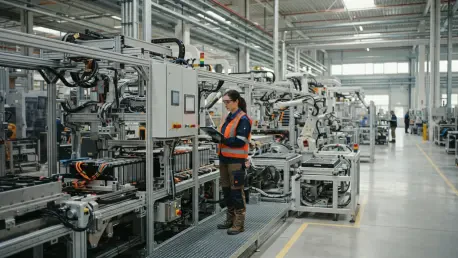

Proactive Quality Assurance Drives EV Factory Expansion Success
The rapid evolution of the electric vehicle manufacturing sector has fundamentally transformed how industrial projects are managed, shifting from traditional oversight to a highly integrated, proactive model of quality assurance. This strategic shift ensures that facility expansions meet the rigorous safety and production standards required for modern battery and vehicle assembly.
The Evolution of Quality Assurance in EV Manufacturing
The transition toward high-speed production requires a departure from standard protocols to ensure facilities meet unprecedented complexity demands.
How is the role of quality assurance changing in the electric vehicle sector?
Quality assurance is shifting from a final inspection gate to a continuous oversight mechanism. This model ensures the production environment is optimized for safety and precision before manufacturing begins.
The focus has moved toward operational readiness rather than simple compliance. Embedding quality teams within project leadership helps facilities achieve stabilization faster during construction handovers.
Why is the traditional reactive quality model no longer effective for factory expansions?
Reactive models rely on identifying defects after installation, which causes significant delays in fast-paced expansions. Correcting mistakes late in the cycle often leads to expensive rework and missed production targets.
In the current landscape, the complexity of battery manufacturing leaves no room for post-construction fixes. Proactive identification of issues is now the only way to maintain the aggressive schedules of 2026.
What are the primary demands driving the need for new project management strategies?
Owners now demand unprecedented delivery speeds alongside immediate operational capacity. These requirements necessitate strategies that can handle rapid scaling without compromising the integrity of specialized infrastructure.
High-density equipment layouts and battery safety standards also drive the need for better control. Project management must now synchronize these technical needs with physical construction timelines.
Strategic Advantages of Early Planning and Design
Integrating quality metrics into the initial phases of a project ensures that technical requirements align with physical construction capabilities.
Why does early QA involvement during the design phase prevent schedule delays?
Early involvement allows teams to identify spatial conflicts before materials are procured. Addressing these issues in the digital model prevents the work stoppages that occur when equipment does not fit.
By validating design assumptions early, projects avoid the need for mid-construction redesigns. This foresight protects the critical path and keeps the installation phase moving smoothly.
How does design coordination help identify technical conflicts in battery production layouts?
Coordination efforts focus on the complex routing of process utilities required for cell manufacturing. Detecting overlaps between electrical runs and safety systems early prevents field-level obstructions.
Detailed reviews also ensure that high-density equipment layouts provide sufficient maintenance access. This proactive spatial analysis is vital for long-term operational efficiency and safety.
What are the financial risks of delaying quality oversight until the construction phase?
Delaying oversight leads to procurement errors that are expensive to rectify once components arrive. Field-level redesigns often result in significant cost overruns and wasted material.
Late-stage quality discoveries also trigger labor inefficiencies as trades wait for technical resolutions. These hidden costs can jeopardize the overall financial viability of a factory expansion.
Managing Quality Within Fast-Track Delivery Schedules
Fast-track construction requires specialized mechanisms to ensure that the accelerated pace does not compromise the long-term integrity of the production facility.
How can project managers maintain quality without slowing down simultaneous design and construction?
Managers utilize parallel workflows where quality validation occurs alongside active construction tasks. This integration allows for immediate feedback without halting the overall momentum of the site.
Standardized inspection protocols enable rapid decision-making across multiple project areas. By treating quality as a constant stream, managers keep the project on track while meeting high standards.
What role do milestone-based hold points play in ensuring infrastructure compliance?
Hold points act as mandatory checkpoints for critical systems like electrical grounding and structural steel. No work proceeds to the next stage until the current phase meets verified standards.
These milestones prevent the burial of defective work behind walls or under concrete. Ensuring compliance at each step provides a reliable foundation for the specialized equipment to follow.
How does structured validation eliminate the need for costly installation corrections?
Validation confirms that every component meets technical specifications before it becomes part of the permanent structure. This systematic approach stops errors from compounding throughout the facility.
By getting the installation right the first time, projects avoid the “two steps forward, one step back” cycle. This reliability is essential for meeting the tight deadlines of current expansion projects.
Mitigating Global Supply Chain Risks
The globalized nature of battery technology and factory equipment necessitates a rigorous approach to managing international standards and logistics.
Why should supply chain quality be treated as a core project control function?
Global sourcing introduces variability in fabrication standards that can disrupt local construction schedules. Treating supply chain quality as a priority allows managers to anticipate and resolve these gaps.
Monitoring the supply chain ensures that long-lead equipment arrives on-site ready for installation. This oversight is a primary defense against the delays caused by non-compliant international shipments.
How do rigorous receiving inspections prevent production line stalls?
Inspections at the point of delivery verify that equipment matches the approved engineering submittals. Identifying damage or deviations upon arrival allows for immediate remediation or replacement.
Preventing faulty components from reaching the production floor keeps the installation schedule predictable. This gatekeeping function is critical for maintaining the flow of high-value equipment.
What challenges arise from sourcing equipment with disparate international fabrication standards?
International equipment often lacks the consistent documentation required for local regulatory approval. These discrepancies can cause delays during the final inspection and permitting phases.
Technical inconsistencies in wiring or materials may also require field modifications to meet safety codes. Early verification of these standards prevents costly adjustments after the equipment is set.
Ensuring Readiness Through Integrated Commissioning
The final stage of a factory expansion determines whether a facility can transition from a construction site to a productive industrial asset.
How does integrating QA documentation into commissioning workflows improve facility startup?
Integrating records ensures that commissioning teams have immediate access to the testing history of every system. This data bridge reduces the time spent searching for validation paperwork.
The alignment of construction records with startup procedures allows for a more seamless transition. Facilities can move from mechanical completion to active production with greater confidence.
Why is it important to prioritize deficiencies based on operational impact rather than simple punch lists?
Focusing on operational impact ensures that critical systems required for production are functional first. This approach prevents minor cosmetic issues from distracting teams from essential safety tasks.
Prioritization allows for a tiered startup strategy that supports early production milestones. Resources are directed where they matter most for the facility’s immediate performance goals.
What are the consequences of compressing the commissioning phase in a high-pressure schedule?
Compromising the commissioning phase leads to unresolved technical bugs that appear during full-scale production. These issues often cause frequent downtime and delay facility stabilization until much later than planned.
Safety risks also increase when systems are not fully tested under operational loads. Rushing this stage can lead to long-term reliability problems that are difficult to fix once the line is live.
Digitalization and the Future of Industrial Quality
Advanced digital tools offer transparency, allowing stakeholders to manage complex data and track progress across various project stages.
How do real-time digital reporting tools assist stakeholders in risk mitigation?
Real-time tools provide instant visibility into inspection trends and open corrective actions. This transparency allows project leaders to reallocate resources to troubled areas before they impact the schedule.
Digital reporting also facilitates faster communication between the site and the engineering office. Stakeholders make informed decisions based on live data rather than outdated paper reports.
What are the long-term benefits of moving quality assurance to the beginning of the project timeline?
Front-loading quality efforts results in higher facility reliability and lower maintenance costs over the asset’s life. It establishes a culture of excellence that persists long after construction ends.
Predictable project delivery becomes a repeatable advantage for future expansions from 2026 to 2030. Companies that master this proactive approach gain a significant competitive edge in the market.
Why is data transparency essential for collaboration between owners and contractors?
Shared access to quality data builds trust and ensures everyone is working from the same set of facts. This collaborative environment reduces disputes and focuses effort on solving project challenges.
Transparency also simplifies the handover process for the operational staff who will run the factory. Clear documentation provides a reliable roadmap for maintaining the sophisticated equipment and systems.
Successful expansion in the electric vehicle sector depends on moving quality assurance to the earliest stages of the project life cycle. By integrating design coordination, supply chain oversight, and digital validation, facilities achieve faster stabilization and higher safety standards. This proactive strategy ensures that manufacturers meet the rising global demand for electrification with reliable and efficient production assets.