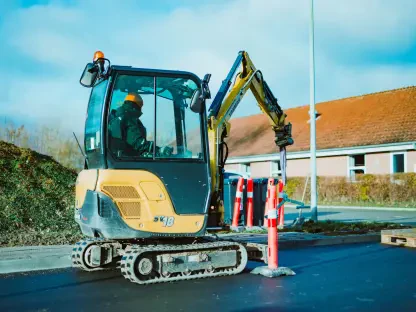

By focusing on neodymium-iron-boron magnets, the Blacksburg site targets the high-efficiency components required for modern aerospace and automotive technologies. The official groundbreaking ceremony in South Carolina signifies a monumental shift for American manufacturing as the nation moves to secure its own industrial destiny. This facility represents the physical manifestation of a long-term vision to decouple domestic production from volatile and often unpredictable global markets. Spanning a massive area in the heart of Cherokee County, the project is not merely an industrial park addition but a calculated move toward total resource sovereignty. The transition from abstract supply chain strategy to real-world construction highlights a serious commitment to reclaiming technological leadership. As heavy machinery begins clearing the 124-acre plot, the local community anticipates a transformation that will resonate far beyond state borders. The initiative effectively bridges the gap between raw material extraction and final magnet manufacturing.
Economic Growth: Financial Commitment and Production Goals
The financial commitment involved in this venture is staggering, totaling approximately $1.2 billion in capital expenditure. This investment is directed toward the construction of an 800,000-square-foot facility within the Bailey Industrial Park, a location strategically chosen for its expansive 124-acre footprint. Beyond the physical structure, the economic ripple effects are expected to be profound, as the project is slated to create nearly 490 high-skill, high-wage manufacturing positions. These roles are designed to attract and retain specialized talent within the Upstate region, offering long-term career trajectories that did not previously exist in the local market. By integrating these advanced manufacturing capabilities, South Carolina is reinforcing its reputation as a powerhouse for industrial innovation. The scale of the building effort requires a massive influx of labor and materials, providing an immediate boost to regional contractors and service providers as the project progresses toward its 2028 operational start date.
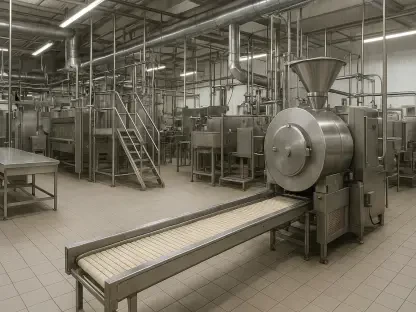
Technical specifications for the plant reveal a focus on high-volume, high-precision output. Upon its anticipated commissioning in 2028, the site is designed to reach an annual production capacity of 6,400 metric tons of sintered neodymium-iron-boron magnets. These components are vital for the functionality of electric vehicle motors, high-capacity wind turbines, and complex defense hardware that requires permanent magnetic power. In addition to magnet fabrication, the facility will produce 5,000 metric tons per year of strip-cast metal and alloy. This dual-track production model ensures that the facility can supply a diverse array of industries, ranging from renewable energy to telecommunications. By establishing such high output targets, the facility aims to satisfy a significant portion of the domestic demand for these critical materials. This volume is essential for achieving the economies of scale necessary to compete with established international producers, ensuring that American-made components remain cost-competitive.
Strategic Security: Reducing Foreign Dependence and Market Risks
Central to the mission in Blacksburg is the implementation of a comprehensive mine-to-magnet strategy, which aims to domesticate the entire lifecycle of critical minerals. For too long, the global rare earth market has been characterized by a heavy concentration of supply in foreign territories, particularly within China. This concentration has historically created significant vulnerabilities, where geopolitical shifts or export restrictions could bring American high-tech manufacturing to a standstill. By controlling every link in the value chain—from extraction and separation to the final alloying and magnet pressing—the company seeks to insulate the United States from these external pressures. This vertical integration is not just a business model but a vital component of national security. Localizing these processes ensures that essential components for military and civilian infrastructure are produced under domestic oversight. This shift significantly reduces the risk of supply disruptions that could otherwise jeopardize technical advancements.
The selection of Blacksburg was far from accidental, emerging as the winner after a rigorous evaluation of nearly 275 potential sites across the nation. Several key factors made Cherokee County the superior choice for a project of this magnitude. Chief among these was the presence of a robust and reliable power grid, which is essential for the energy-intensive processes of rare earth metal refining and magnet sintering. Additionally, the location along the Interstate 85 corridor provides unparalleled logistical advantages, allowing for the efficient transport of raw materials and finished goods to key industrial hubs. This connectivity is vital for a facility that must integrate into a broader national supply network. The site also offers ample space for future expansion, ensuring that the facility can grow alongside the rising demand for its products. Local and state officials played a crucial role in the process, offering a supportive regulatory environment that aligned with the company’s long-term goals.
Collaborative Innovation: Multi-State Synergy and Workforce Readiness
The facility in Blacksburg functions as a major pillar within a larger, multi-state manufacturing network that includes existing operations in Stillwater, Oklahoma. While the Oklahoma site has already established the company’s initial commercial production lines, the South Carolina plant represents a massive scaling of that foundational technology. When these two locations reach full operational status, they are expected to provide a combined domestic capacity of 10,000 metric tons of permanent magnets annually. This geographic diversification is a strategic choice, providing operational flexibility and ensuring that the supply chain remains resilient even in the face of regional disruptions. By distributing manufacturing across multiple states, the company can better serve a wide range of customers in the aerospace, automotive, and energy sectors. This network allows for the optimization of different production stages, with the Oklahoma and South Carolina sites specializing in various aspects of refining to maximize output.
The groundbreaking ceremony in Blacksburg established a new precedent for how the United States approached its critical mineral shortages. By committing such a significant amount of capital and resources to a domestic project, stakeholders demonstrated that the era of passive reliance on foreign supply chains ended. The construction of the facility provided a blueprint for other sectors, showing that strategic partnerships between state governments, educational institutions, and private industry could overcome complex geopolitical hurdles. Moving forward, the focus shifted toward optimizing the recycling of rare earth materials to create a truly circular economy within the magnet industry. To achieve this, researchers at the site began exploring ways to reclaim magnets from end-of-life electronics. This approach not only enhanced the sustainability of the project but also further reduced the need for raw ore extraction. This commitment to innovation ensured that the investment remained relevant as global technology standards evolved.