
The sudden acceleration of India’s renewable energy deployment has created a critical demand for sophisticated management systems that can prevent grid collapse during peak fluctuations. As the nation moves toward a greener economy, the stability of the national electrical grid has emerged as a central concern for policymakers and engineers alike. A recent strategic alliance between Amara Raja Advanced Cell Technologies and Nuvation Energy signifies a major shift in the approach to large-scale energy storage. By prioritizing the localization of high-voltage battery management systems, this collaboration provides the necessary intelligence to manage massive influxes of renewable energy. This analysis explores how this technical synergy modernizes the energy architecture, ensuring that the goal of 500 GW of non-fossil fuel capacity by 2030 remains supported by a resilient and self-sufficient domestic supply chain.
The Evolution: India’s Energy Storage Landscape
Historically, the energy sector in India relied heavily on traditional lead-acid batteries and imported electronic components that frequently struggled to meet the rigorous demands of modern grid-scale storage. As solar and wind power began to dominate the renewable roadmap, the intermittent nature of these energy sources necessitated much more sophisticated storage solutions. The industry eventually transitioned from simple backup systems to complex Battery Energy Storage Systems that require precise control to prevent catastrophic failures and optimize overall performance. Understanding this background is essential because it highlights the bottleneck that hindered energy security for years: a lack of indigenous, high-tech control systems capable of managing utility-scale lithium-ion installations.
Deconstructing the Impact: Technical and Economic Realities
The Critical Role: 1,500-Volt Systems in Grid Stability
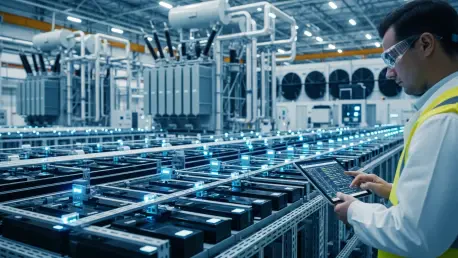
The core of the implementation lies in the adoption of 1,500-volt battery management technology, which serves as the gold standard for utility-scale projects. At this scale, higher voltage systems are preferred because they significantly improve energy density and reduce the overall cost of power conversion equipment. A battery management system acts as the brain of the entire installation, monitoring every single cell to ensure it operates within safe thermal and electrical limits. By bringing globally validated 1,500-volt expertise to the local market, the partnership addresses the most technologically demanding aspect of the energy storage value chain. This ensures that large-scale projects can handle the high-demand environments of the national grid while maintaining the safety standards required for long-term reliability.
Vertical Integration: The Resilience of Domestic Manufacturing
Furthermore, the move is a cornerstone of a broader strategy to create a vertically integrated lithium-ion ecosystem. With an investment of approximately $1.1 billion into a 16 GWh gigafactory in Telangana, the focus has shifted from mere assembly to manufacturing the foundational technology itself. Integrating localized production with a 10 GWh manufacturing facility allows for a much more streamlined supply chain. This reduces the long lead times and high costs associated with importing critical electronics, making domestic energy storage significantly more competitive. For the national grid, this means a faster rollout of storage projects and a reduced vulnerability to global supply chain disruptions, reinforcing overarching self-reliance initiatives and the “Make in India” campaign.
Navigating Challenges: Technical Complexities and Environmental Adaptations
One of the frequently overlooked challenges in energy storage is the impact of regional environmental conditions on long-term battery performance. High temperatures and fluctuating grid frequencies require hardware that is more than just a copy of Western designs. The collaboration focuses on optimizing these high-voltage systems for the specific rigors of the local climate, ensuring that the technology is robust enough for outdoor installations. There was a common misconception that localized technology might lag behind international standards; however, this partnership refutes that by combining proven architecture with a deep understanding of local operational demands. This ensures the localized product is a world-class solution tailored specifically for survival in harsh conditions.
Emerging Trends: The Energy Roadmap From 2026 Onward
Looking ahead, the future of the grid will likely be defined by the rapid decentralization of power and the rise of commercial and industrial storage. As regulatory frameworks continue to evolve, there is a clear expectation for mandatory storage requirements for all new renewable installations to ensure better grid balancing. Technological shifts toward even higher energy densities and smarter, AI-driven management platforms will likely follow this initial phase of localization. Experts predict that as the electronics manufacturing cluster matures, the nation will transition from a consumer of energy storage technology to a global exporter. The synergy between economic policy and technological innovation suggests that the grid will become increasingly autonomous, with storage acting as the primary buffer against volatility.
Actionable Insights: Industry Stakeholders and Investors
For businesses and professionals in the energy sector, the localization of this technology offers a clear blueprint for future-proofing operations. Companies should prioritize partnerships that emphasize technology transfer rather than simple distribution agreements. Investors should look toward vertically integrated players who control both cell manufacturing and management electronics, as they are best positioned to navigate market fluctuations. For grid operators, the takeaway remains clear: the availability of localized, high-voltage systems makes the integration of intermittent solar and wind power significantly more manageable. Adopting these high-voltage standards now will likely result in lower lifecycle costs and higher operational uptime for all subsequent energy projects.
Concluding Thoughts: India’s Path to Energy Independence
The partnership between these organizations represented a vital component of the journey toward energy sovereignty. By localizing the high-voltage brains of energy storage systems, the nation addressed a critical gap in its infrastructure that had existed for decades. This move ensured that as the grid grew more complex, the systems managing that power were robust, safe, and manufactured at home. The success of this alliance was seen as a turning point where the grid transitioned from a traditional model to a modern, self-sustaining ecosystem. It ultimately provided a foundation for a safer, more efficient energy storage future while setting a precedent for international technical cooperation that prioritized long-term domestic stability over short-term imported gains.