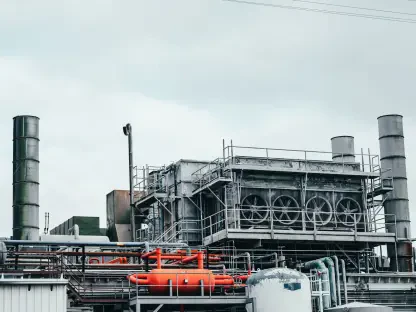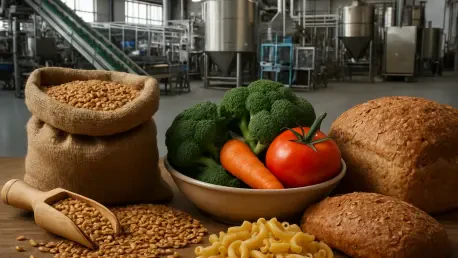

The long-standing sanctity of the Agricultural Land Reserve in British Columbia is facing a pivotal moment of transformation as the provincial government weighs the immediate need for industrial food processing against traditional soil preservation. For decades, these protected acres have been the bedrock of regional farming, yet the Ministry of Agriculture and Food is now initiating a comprehensive dialogue to determine if manufacturing facilities should occupy space alongside crops. This policy shift reflects an evolving understanding of food security, where growing the food is only half the battle; the ability to process, package, and store that produce locally is becoming just as critical. By exploring how to integrate industrial zones within the ALR, officials are attempting to modernize a system that has historically prioritized primary production over infrastructure. The goal is to create a resilient network that can withstand external shocks, even if it means altering the strict rules that have governed these lands since the early 1970s. This initiative marks a significant departure from isolationist preservation, suggesting that a modern food system requires more than just fertile soil; it demands the heavy machinery and logistics hubs necessary to turn a raw harvest into a shelf-ready product for the local consumer market.
Strategic Land Utilization: The Classification Shift
Central to the proposed adjustments is a nuanced approach to land quality that seeks to protect the most fertile regions while making room for industrial growth. The Ministry is specifically identifying Class 5 through Class 7 soils—land that is often rocky, steep, or nutrient-poor—as the primary candidates for this new wave of manufacturing development. By steering heavy infrastructure toward these marginalized areas, the province intends to preserve the high-yield Class 1 and Class 2 soils that are vital for traditional field crops and orchards. This “land-use triage” acknowledges that not all hectares within the Agricultural Land Reserve are equal in their primary productive capacity. Occasionally, even Class 4 lands might be considered for processing hubs, provided they are already supported by the necessary municipal utilities and transportation corridors. This strategy aims to ensure that the “breadbasket” regions remain untouched by concrete and steel, while still allowing the province to build the specialized facilities required to transform raw agricultural goods into value-added products that can sustain the regional economy.
Beyond the physical placement of facilities, the government is proposing a radical change in how these industrial operations source their raw materials. Traditionally, any processing facility located on protected land was required to source at least fifty percent of its ingredients from the host farm or a localized group of producers. The new proposal suggests slashing this requirement to just five percent for facilities situated on lower-quality soils. This dramatic reduction is intended to lower the barriers to entry for large-scale processors who may need to source specialized ingredients from global supply chains to maintain consistent production levels. While some critics worry this could decouple processing from local farming, proponents argue it is a necessary compromise to attract the massive private investment needed for modern food manufacturing. By allowing for a mix of local and imported inputs, the province hopes to anchor major processing firms within its borders, ensuring that even if some ingredients come from elsewhere, the jobs, technology, and finished product distribution remain firmly under British Columbia’s control.
Economic Drivers: Strengthening the Regional Food Engine
The economic motivation behind this policy shift is substantial, as food and beverage manufacturing has quietly become a dominant force in the provincial economy, generating more than $14 billion in annual revenue. This sector is responsible for more than 37,000 jobs, making it one of the largest manufacturing employers in the region. The provincial government views the current regulatory framework as a bottleneck that prevents this industry from reaching its full potential. By easing restrictions on where and how facilities can operate, officials aim to boost competitiveness and secure British Columbia’s position as a leader in food technology and distribution. Strengthening this mid-stream industry provides a reliable and immediate market for primary farmers, creating a more cohesive and integrated ecosystem. When raw goods can be refined and packaged near the point of harvest, the entire value chain becomes more efficient. This localized synergy not only keeps more profit within the province but also provides a buffer against the volatility of international commodity markets, which often leave small-scale primary producers at a significant disadvantage.
This legislative evolution is also a direct response to the heightened anxieties surrounding climate change and the fragility of global trade relationships. Between the rising costs of fuel and the increasing frequency of extreme weather events that disrupt long-haul shipping, the province is under immense pressure to reduce its dependence on external suppliers. Recent history has shown how quickly supply chain bottlenecks can lead to empty grocery store shelves and skyrocketing prices for basic necessities. By prioritizing the development of regional processing capacity, the government is attempting to build a self-sufficient food system that can withstand global disruptions. This localized approach minimizes the carbon footprint associated with transporting raw goods across borders and ensures that the province has the infrastructure to feed its population during times of crisis. The push for industrial integration within the ALR is, therefore, a strategic maneuver to transform the agricultural sector from a collection of isolated farms into a robust, end-to-end industrial network capable of maintaining stability in an increasingly unpredictable world.
Regulatory Guardrails: Balancing Expansion with Preservation
To mitigate fears that this policy could lead to unchecked industrial sprawl, the government has introduced a strict cap on the amount of land that can be repurposed for these new facilities. Specifically, only 0.25 percent of the more than two million hectares of privately owned land within the Agricultural Land Reserve would be eligible for industrial processing development. This narrow window of eligibility is designed to ensure that the vast majority of protected land remains dedicated to traditional farming and primary production. Furthermore, the geographic focus of these changes is steered away from the highly fertile soils of the Fraser Valley and the Lower Mainland, where land values are highest and agricultural productivity is most intense. By limiting the scope of industrial expansion to a tiny fraction of the total land base, the Ministry hopes to find a middle ground that satisfies the need for infrastructure without eroding the long-term integrity of the province’s agricultural legacy. This conservative approach aims to provide just enough room for essential facilities while maintaining the protective shield that has kept farmland safe from urban encroachment.
Scientific integrity and professional oversight remain at the core of the proposed framework, ensuring that any new development is grounded in environmental responsibility. Any landowner or developer seeking to build a processing facility on ALR land would be required to obtain a detailed assessment from a professional agrologist. These experts must certify that the specific plot of land meets the necessary soil criteria—specifically Class 5 through Class 7—before any construction permits can be considered. This mandatory layer of expert review is designed to prevent the loss of viable, high-quality farmland to industrial use. Additionally, these projects would still be subject to existing environmental regulations, local government zoning approvals, and wastewater management permits. By maintaining these rigorous standards, the province seeks to ensure that industrial expansion does not come at the expense of soil health or regional biodiversity. This tiered approval process places the burden of proof on the developer, requiring clear evidence that the proposed facility provides a net benefit to the regional food system while minimizing any negative impact on the surrounding agricultural environment.
Strategic Outlook: Evolving the Provincial Agrarian Framework
The timing and implementation of the public consultation process raised several points of contention, as the six-week engagement window overlapped with the height of the summer harvest season. Many active producers found it difficult to participate in the dialogue while managing the most labor-intensive period of the year, leading to concerns that the feedback loop might have missed vital perspectives from the people most affected by the changes. Despite these hurdles, the Ministry maintained that the updates were a necessary evolution for a system that had become too rigid to meet the demands of the modern era. The debate moved beyond simple soil preservation and toward a holistic view of what constitutes a “working landscape.” Stakeholders realized that a farm cannot exist in a vacuum; it requires a sophisticated network of packers, processors, and distributors to ensure that the food actually reaches the kitchen tables of British Columbia. The dialogue ultimately emphasized that the Agricultural Land Reserve must be dynamic enough to support the infrastructure that makes primary farming economically viable and logistically feasible in the twenty-first century.
Moving forward, the path to a resilient food system required a commitment to both innovative technology and traditional land stewardship. Decision-makers sought to establish clear, transparent criteria for future developments, ensuring that the 0.25 percent cap was not just a suggestion but a hard limit enforced through rigorous digital tracking and public reporting. The province aimed to foster a collaborative environment where agrologists, farmers, and industrial developers worked in tandem to optimize land use. One actionable step involved the creation of regional food hubs that consolidated processing power on marginalized lands, allowing multiple small-scale farmers to access high-end machinery without sacrificing their own productive soil. These hubs served as the blueprint for an integrated supply chain that reduced waste and lowered production costs. As the province refined these policies, the focus remained on transparency and long-term planning, ensuring that every acre diverted to industry served the ultimate goal of feeding the population. By bridging the gap between the field and the factory, the government sought to build a future where food security was anchored in both the fertility of the earth and the efficiency of the machine.