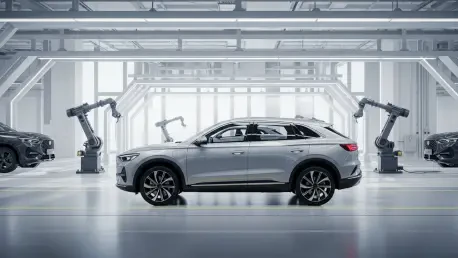

The automotive industry has reached a historical milestone where the traditional metrics of horsepower and torque are being rapidly superseded by the rigorous calculation of a vehicle’s total carbon footprint over its entire operational existence. BMW has effectively set a new benchmark for sustainable luxury with the release of the fifth-generation X5, a model that has successfully achieved a forty percent reduction in lifecycle carbon emissions compared to established industry standards. This significant leap forward is not merely a byproduct of electrification but the result of a meticulously executed Life Cycle Assessment that examines every stage of a vehicle’s life, from the initial extraction of raw materials to the final decommissioning and recycling of the chassis. By focusing on the hidden impacts of production, the company has fundamentally altered how premium SUVs are engineered, proving that large-scale utility vehicles can align with the most stringent climate objectives without compromising the performance or quality that consumers have come to expect.
Transitioning to High-Performance Battery Architectures
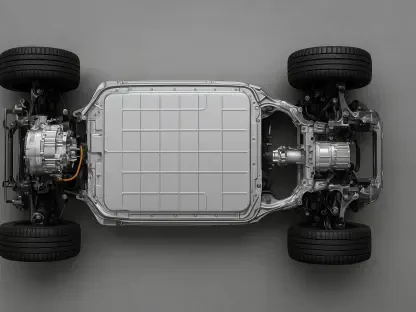
The most critical factor in reducing the environmental impact of modern electric vehicles lies within the development and manufacturing of the battery cells themselves. BMW has addressed this challenge by shifting from the previous generation of prismatic battery cells to the newly developed Gen6 cylindrical cells, which represent a major advancement in electrochemical efficiency. These updated cells are designed to offer a twenty-eight percent reduction in carbon emissions per watt-hour, effectively narrowing the gap between energy storage capacity and environmental cost. This improvement was achieved by refining the cell’s internal geometry and optimizing the chemical composition of the electrodes, allowing for a higher energy density that requires less raw material for the same driving range. By focusing on the energy-intensive nature of battery production, the engineering team has managed to neutralize the largest single source of emissions within the electric vehicle supply chain.
Sustainable sourcing of the minerals required for these batteries has also played a pivotal role in the overall decarbonization strategy for the new X5. The company has significantly increased the proportion of recycled materials, such as lithium, cobalt, and nickel, within the battery chemistry to reduce the reliance on primary mining operations which are often energy-intensive and environmentally disruptive. This commitment to “urban mining” ensures that valuable materials already in circulation are repurposed, creating a circular flow that stabilizes the supply chain and lowers the carbon footprint of each individual cell. Furthermore, the selection of suppliers is now strictly governed by their ability to meet specific sustainability criteria, ensuring that the materials used in the high-voltage battery system are sourced with the lowest possible ecological impact. This comprehensive approach to mineral management demonstrates that the longevity of an electric vehicle begins long before the first kilowatt of energy is even stored.
Beyond the materials themselves, the manufacturing process for these battery cells has been transitioned to utilize one hundred percent renewable energy sources. This shift is a non-negotiable requirement for all cell manufacturers partnering on the X5 project, effectively eliminating the use of fossil fuels during the most energy-demanding phases of the production cycle. By mandating the use of wind, solar, and hydroelectric power, the company has successfully flattened the carbon curve that typically plagues the early stages of electric vehicle assembly. This systemic overhaul of the production environment ensures that the vehicle starts its operational life with a significantly lower “carbon debt” than previous generations. The integration of renewable energy into the supply chain highlights a broader industry trend where the cleanliness of the fuel source used to build the car is considered just as important as the electricity used to power it on the open road.
Implementing Circular Economy Principles in Metal Sourcing
While the powertrain often dominates the conversation surrounding sustainability, the heavy metals used in the chassis and body structure remain a massive contributor to a vehicle’s total weight and its associated carbon profile. BMW is tackling this challenge by transitioning to the use of Electric Arc Furnace steel for approximately fifty percent of the flat steel utilized in the construction of the X5’s body. Unlike traditional blast furnaces that rely on coal, Electric Arc Furnaces can be powered entirely by renewable electricity and are capable of processing much higher levels of recycled scrap metal. This transition allows the manufacturer to produce high-strength structural components with a fraction of the carbon intensity traditionally associated with heavy industry. By integrating this cleaner steel into the core architecture of the vehicle, the company is demonstrating that even the most fundamental building blocks of automotive engineering can be modernized for a low-carbon economy.
Aluminum production follows a similar trajectory toward circularity, particularly through the optimized operations at the Spartanburg plant in South Carolina. The doors of the new X5 are manufactured using thirty-five percent recycled aluminum, a significant portion of which is recovered directly from the plant’s own press shop in a “local-to-local” recycling loop. This closed-loop system minimizes the need for transporting heavy raw materials over long distances and ensures that high-grade aluminum scrap is immediately reintroduced into the production process rather than being downgraded or discarded. This strategy not only reduces the carbon emissions associated with refining primary ore but also enhances the overall efficiency of the manufacturing facility. The success of this localized recycling program serves as a blueprint for how large-scale automotive plants can reduce their environmental footprint by treating waste as a valuable resource for future production cycles.
The utilization of secondary materials has reached a new peak in the flagship electric models, where recycled or repurposed substances now account for roughly one-third of the total vehicle weight. This translates to nearly nine hundred and forty kilograms of material that has been diverted from landfills or primary extraction processes and reintegrated into a high-performance luxury SUV. While the global market for high-quality recycled materials is still maturing, the company has proactively pushed the boundaries of what is possible in mass production by collaborating with specialized recycling firms and investing in new sorting technologies. This focus on secondary materials extends beyond metals to include recycled plastics and sustainable interior fabrics, ensuring that the entire vehicle reflects a commitment to circularity. This holistic material strategy is essential for achieving the ambitious forty percent reduction in lifecycle emissions that defines the fifth-generation X5.
Navigating the Complexities of Global Supply Chain Data
Managing a global supply chain that consists of more than one hundred thousand individual suppliers is one of the most significant hurdles in modern manufacturing, especially when attempting to track every gram of carbon produced. To overcome this logistical challenge, the company has implemented a “cascading” model of responsibility where direct partners are contractually obligated to uphold specific sustainability standards and pass those requirements down to their own sub-suppliers. This creates a chain of accountability that reaches deep into the lower tiers of the production network, ensuring that environmental considerations are not lost as components move through various stages of assembly. By making sustainability a legal requirement within its procurement contracts, the company has shifted the industry standard from voluntary compliance to a mandatory framework of environmental performance.
To support these contractual obligations with verifiable data, the manufacturer co-founded the Catena-X platform, a standardized data exchange designed specifically for the complexities of the automotive industry. This digital ecosystem provides the necessary level of traceability to verify carbon emission claims throughout the entire supply chain, allowing for the accurate reporting of “Scope 3” emissions. These indirect impacts, which occur during the production of parts and materials by third parties, have traditionally been the most difficult to measure and control. However, the Catena-X initiative allows for the secure sharing of information between suppliers and manufacturers, creating a transparent record of the energy used and the emissions generated at every step. This data-driven approach is critical for proving that the reported forty percent reduction in carbon footprint is based on empirical evidence rather than optimistic projections.
Despite the advancement of these digital tools, the company acknowledges that the total verification of global supply chain data remains a process of continuous refinement and rigorous oversight. By treating carbon accounting with the same level of legal and financial scrutiny as corporate revenue reporting, the organization is setting a new precedent for corporate transparency in the luxury automotive sector. This involves regular audits of supplier facilities and the use of satellite monitoring to track the environmental impact of raw material extraction in real-time. This high level of diligence ensures that any discrepancies in the data are identified and addressed immediately, maintaining the integrity of the vehicle’s lifecycle assessment. This commitment to transparency not only protects the brand from accusations of greenwashing but also provides consumers with the confidence that their purchase aligns with their personal environmental values.
Evaluating Manufacturing Flexibility and Independent Verification
The production of the new X5 takes place on a highly flexible assembly line that is capable of manufacturing internal combustion, hybrid, and fully electric versions of the vehicle simultaneously. This versatile approach allows the company to respond quickly to changing market demands while maintaining a high level of operational efficiency across all powertrain types. While some industry analysts have argued that shared platforms are less efficient than dedicated electric vehicle architectures, the engineering team has demonstrated that integrated structures do not necessarily compromise the vehicle’s carbon profile. By optimizing the underlying chassis to accommodate different power sources with minimal modification, the manufacturer has been able to streamline production and reduce the energy consumption of the assembly plant itself. This flexibility ensures that the environmental benefits of the new design are realized across the entire model range.
The operational efficiency of the vehicle is further enhanced by the introduction of the “Heart of Joy” driving system, a sophisticated technology that optimizes energy recovery during deceleration and braking. By integrating advanced software with high-performance hardware, the electric version of the X5 is capable of recouping a significant amount of kinetic energy that would otherwise be lost as heat. This increased efficiency, combined with significant improvements in the vehicle’s aerodynamic profile, allows the electric X5 to “repay” its initial manufacturing carbon debt within a remarkably short period of one to two years of regular driving. This rapid breakeven point is a critical metric for consumers who are concerned about the environmental impact of producing large battery systems, as it proves that the long-term benefits of electrification far outweigh the initial costs of production.
The transition to a more sustainable manufacturing paradigm was not achieved through superficial changes but through a complete reengineering of the automotive lifecycle. BMW successfully integrated third-party verification protocols to ensure that every environmental claim was backed by empirical evidence provided by organizations like TÜV Rhineland. By establishing these rigorous benchmarks, the company offered a transparent roadmap for the luxury segment to move beyond the limitations of greenwashing. The strategy effectively demonstrated that high-performance luxury and deep decarbonization were no longer mutually exclusive goals. Future industry standards began to coalesce around these data-driven models, shifting the focus from mere electrification to the total reduction of a vehicle’s planetary impact. This systemic approach eventually provided the necessary framework for stakeholders to demand similar accountability across the entire transportation sector, ensuring that the progress made today would serve as the foundation for all subsequent automotive developments.