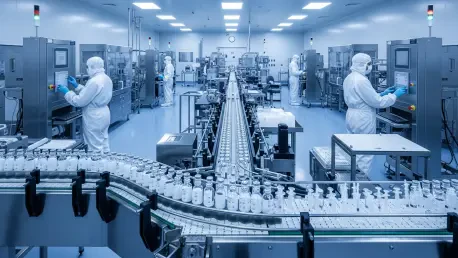

The current surge in global demand for diabetes and weight management medications has forced a radical rethink of how essential therapies are produced and distributed within the domestic market. In a move that signals a tectonic shift for the American pharmaceutical landscape, Eli Lilly and National Resilience have entered into a massive $750 million collaboration to scale up advanced manufacturing capabilities in Cincinnati, Ohio. This significant investment is not merely about increasing output but is designed to address the persistent supply chain vulnerabilities that have historically plagued the biotechnology sector. By focusing on domestic infrastructure, the two organizations are positioning themselves to manage the requirements for metabolic treatments while simultaneously modernizing the technical foundations of bioproduction. This strategic pivot ensures that the United States remains at the forefront of medical innovation and manufacturing reliability for many years to come.
Strengthening the Manufacturing Foundation
Operational Excellence: Building on a Proven Track Record
The foundation of this expansive $750 million deal lies in a partnership that began in 2023, which has already demonstrated its effectiveness by delivering over 150 million doses of medicine to patients across the United States. This established relationship between National Resilience and Eli Lilly has matured through a period of intense operational testing, where the primary focus was on the rapid production of vials and pre-filled syringes. By meeting these initial targets with high precision, both companies proved that they could handle the complexities of large-scale biological manufacturing without compromising on quality or safety standards. The success of this earlier phase provided the necessary confidence to escalate the partnership into a much more ambitious territory. It served as a proof of concept that a domestic manufacturing partner could match the speed and scale of overseas facilities while maintaining superior oversight of the production process.
Moving forward from the initial success of basic dose production, the current expansion signifies a deepening level of technical trust that moves the collaboration into the realm of large-scale, high-tech operations. This transition is critical because it represents a move away from simple contract manufacturing toward an integrated model where both parties share technical risks and rewards. The focus has shifted toward creating a seamless pipeline that can adapt to the rapid changes in medical technology and patient needs. By scaling these advanced operations, the partners are not just filling more bottles; they are redesigning the actual flow of biological products from the lab to the final patient delivery point. This evolution is essential for handling the next generation of therapies, which require much more stringent environmental controls than the treatments produced in previous decades. It solidifies Ohio as a primary site for such innovation and long-term stability.
Technical Integration: Incorporating Advanced Delivery Technology
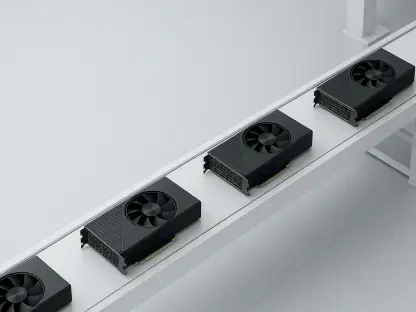
A major highlight of this new phase is the integration of the KwikPen injectable device production within the specialized facilities operated by Resilience. This strategic move reflects a broader industry shift toward complex delivery systems that require specialized technical expertise beyond traditional pharmaceutical bottling. The KwikPen is a sophisticated tool designed for the precise administration of metabolic treatments, and its manufacturing involves intricate mechanical components that must function perfectly every time. By incorporating these devices into the local manufacturing line, Eli Lilly is ensuring that the final product is not only chemically potent but also mechanically reliable for the end user. This level of vertical integration at the Cincinnati site reduces the logistical hurdles associated with sourcing components from multiple global suppliers, thereby streamlining the final assembly and distribution of life-saving medications to American clinics.
Technical excellence in producing these sterile injectables is a prerequisite for maintaining market leadership in the highly competitive obesity and diabetes treatment sectors. The partnership focuses on utilizing automated assembly lines and real-time quality monitoring systems to ensure that every KwikPen meets rigorous federal safety standards. This emphasis on high-tech delivery systems addresses a significant bottleneck in the industry, where the shortage of specialized injection devices often delays the rollout of new therapies. By building this capacity domestically, the collaboration creates a buffer against the unpredictability of international logistics and trade policies. Furthermore, the ability to produce these complex devices in-house allows for faster iterations and improvements to the hardware, ensuring that patients benefit from the latest advancements in ergonomic design. This focus on the delivery mechanism is just as vital as the drug itself.
Expanding the Regional Biomanufacturing Hub
Regional Impact: Infrastructure and Job Creation in Ohio
Resilience has demonstrated its long-term commitment to the Midwest by relocating its global headquarters from California to Blue Ash, Ohio, marking a significant departure from traditional coastal biotech hubs. This move is supported by the company’s extensive physical footprint in the Cincinnati area, which currently encompasses nearly one million square feet of advanced manufacturing and administrative space. The facility is already home to a dedicated team of a thousand specialized professionals who manage everything from complex bioreactor operations to regulatory compliance. This regional focus is transformative for Ohio, as it shifts the state’s economic identity from traditional heavy industry toward a modern, high-value biotechnology ecosystem. By centralizing operations in a location with a lower cost of living and a high concentration of talent, the company is creating a sustainable model for growth that avoids the saturation of coastal corridors.
The new $750 million investment is expected to generate at least 400 additional high-skilled positions, which will bring the total local workforce to more than 1,400 employees within the coming years. This workforce expansion is not occurring in a vacuum but is actively supported by state and local partners such as JobsOhio and REDI Cincinnati, which provide the necessary infrastructure and talent development pipelines. These organizations work closely with local universities to ensure that the curriculum aligns with the technical needs of modern biomanufacturing, creating a steady stream of qualified graduates. This collaborative approach to economic development ensures that the region can sustain a world-class manufacturing ecosystem for the long term. Beyond immediate job numbers, the presence of such a high-tech anchor tenant attracts secondary service providers and specialized vendors, further strengthening the local economy and creating a cycle of innovation.
Strategic Goals: Reshoring and Collaborative Vision
One of the primary strategic goals of this partnership is to significantly reduce reliance on international supply chains by reshoring critical medical manufacturing to the United States. By building robust, high-capacity facilities on American soil, Lilly and Resilience are effectively protecting the domestic medicine supply from the various global disruptions that have become increasingly common in the modern era. This reshoring strategy ensures that essential treatments for chronic conditions, such as diabetes and obesity, remain available to the public regardless of shifts in international trade relations or logistics crises. It represents a proactive approach to national health security, where the production of vital pharmaceuticals is viewed as a critical infrastructure priority. The ability to control the entire manufacturing process within a single jurisdiction provides a level of stability that is simply not possible when relying on a fragmented, globalized network.
Looking back at the trajectory of this collaboration, stakeholders identified it as a definitive blueprint for the future of national health security and industrial resilience. Leaders from both corporations and state government offices emphasized that the production of complex, sterile injectables required a level of operational excellence that only a deeply integrated partnership could provide. By aligning corporate objectives with regional economic goals, the participants successfully established a model for how the private and public sectors could work together to solve systemic healthcare challenges. This initiative provided a clear path for other companies to follow when considering the benefits of domestic manufacturing and long-term infrastructure investment. The focus shifted from short-term cost savings to the long-term value of a secure and technologically advanced supply chain. Ultimately, the partnership demonstrated that high-tech manufacturing could thrive in the heartland.