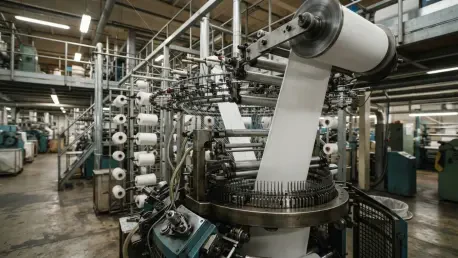

The partnership with RDD Textiles focuses on using emerging technologies to ensure the chain of custody remains intact from raw waste to the final garment. This specific initiative is a cornerstone of Reju’s broader ambition to fundamentally reorganize the textile value chain, transforming it from a linear model of consumption into a truly circular operation. While the concept of a closed-loop system has long been discussed in academic and corporate sustainability circles, its practical implementation at an industrial scale has historically remained elusive due to fragmented supply chains and varying quality standards. By establishing an integrated industrial network, Reju is attempting to solve the technical and logistical hurdles that have previously prevented post-consumer polyester from being reused in high-performance apparel. The strategy involves not just the recovery of waste but the meticulous engineering of raw materials so they are compatible with existing textile infrastructure and high-speed mills.
Strengthening the Supply Chain: Overcoming the Scaling Bottleneck
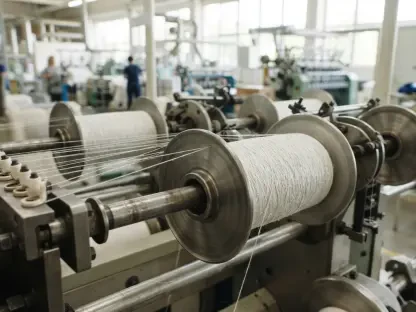
The collaboration with six global textile leaders addresses the most significant bottleneck currently facing the recycling sector: the absence of a standardized, high-volume infrastructure capable of processing regenerated materials without sacrificing quality. Reju is positioning itself as the central architect of an ecosystem where raw output from its regeneration hubs is seamlessly integrated into downstream manufacturing. By involving partners like A. Sampaio and Utenos early in the development phase, the company ensures that the fibers produced at its upcoming facilities in New York and France possess the precise physical properties required for high-speed knitting and weaving. This proactive approach eliminates the traditional trial-and-error period that often plagues the adoption of new sustainable materials. It allows manufacturers to maintain their current production speeds while switching to circular inputs, which is essential for achieving the price parity needed to displace virgin polyester.
This industrial synergy creates a unique feedback loop where the requirements of the mill directly inform the chemical and physical specifications of the regenerated polymer. For instance, FOV Fabrics brings expertise in technical wovens used in extreme outdoor environments, a segment that has historically been hesitant to adopt recycled fibers due to concerns over tensile strength and durability. By working closely with these specialists, Reju can fine-tune its regeneration processes to meet the exact demands of high-performance gear. This eliminates the “one-size-fits-all” approach to recycling, replacing it with a nuanced manufacturing strategy where different grades of regenerated polyester are tailored for specific end-uses. The result is a more resilient supply chain that can respond to the diverse needs of the apparel industry, from everyday casual wear to specialized industrial textiles. This integration is vital for building a market-ready supply chain that brands can rely on for consistent material.
Specialized Expertise: Integrating Regional Footholds and Accountability
Geographic diversification serves as a strategic pillar for Reju, allowing the company to mitigate logistical risks while tapping into localized manufacturing strengths across the globe. The partnership with Swisstex Direct is particularly noteworthy as it establishes a significant footprint in the Western Hemisphere, specifically through operations in the United States and El Salvador. This regional presence allows for shorter lead times and reduced carbon emissions associated with transportation, further enhancing the overall sustainability profile of the finished goods. By providing sustainable knitting, dyeing, and finishing services within these regions, the alliance ensures that the benefits of circular polyester are not lost to the environmental costs of transoceanic shipping. Furthermore, the inclusion of vertically integrated manufacturers like Utenos in the Baltic States provides a streamlined pathway from raw fiber to finished garment, ensuring that circularity is maintained through every single touchpoint.
Beyond geographic reach, the selection of partners like Tintex Textiles highlights a commitment to maintaining the highest environmental and social standards throughout the finishing stages. The finishing and dyeing processes are often the most resource-intensive parts of textile manufacturing, but by utilizing Tintex’s “smart” jersey technologies and low-impact dyeing methods, Reju ensures that the ecological footprint of the final product remains as low as possible. This level of accountability is reinforced by the use of digital tracking systems that provide full transparency for both brands and consumers. By documenting the chain of custody from the moment a garment is collected as waste to its rebirth as a new textile, these alliances build the trust necessary for the industry to move away from “bottle-to-textile” recycling. This shift is critical because it forces the textile industry to take responsibility for its own waste streams rather than relying on external plastic sources, creating a more sustainable model.
Strategic Alliances: Establishing a New Standard for Circularity
The strategic alliances formed between Reju and its global manufacturing partners successfully established a new standard for industrial-scale textile-to-textile recycling. By prioritizing the integration of specialized mills early in the development cycle, the collective effort moved the industry past the limitations of traditional recycling methods. This systemic approach proved that the technical challenges of polyester regeneration could be overcome through a combination of chemical innovation and traditional manufacturing expertise. The collaboration provided a clear roadmap for other sectors to follow, emphasizing that the transition to a circular economy required the breakdown of traditional silos between waste management and high-end production. These partnerships demonstrated that traceability and high performance were not mutually exclusive, creating a foundation for future developments in sustainable material science that prioritized resource efficiency and material longevity over linear waste.
The industry moved toward expanding this model to include other fiber types and more complex textile blends, which remained a significant hurdle for universal circularity. The success of the Reju network suggested that future investments had to be directed toward both the chemical processes of regeneration and the physical infrastructure of specialized milling. Stakeholders prioritized the establishment of regional hubs that handled localized waste streams while maintaining global quality standards. Furthermore, the focus remained on ensuring that the price of regenerated materials continued to align with virgin alternatives to ensure long-term market stability. The lessons learned from this integrated industrial network provided the necessary proof of concept for a global textile economy that finally operated within its own material loops, reducing the reliance on petrochemical feedstock. This progress marked a definitive shift in the global manufacturing landscape, proving that scale and sustainability could exist.