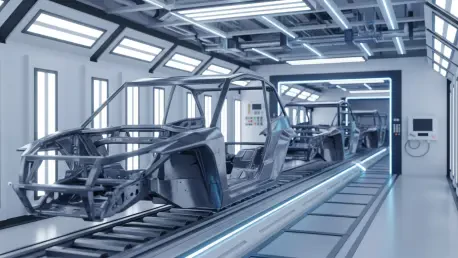

The automotive market in the United States is currently experiencing a profound structural realignment as the iconic Scout brand is resurrected to challenge the dominance of established off-road manufacturers. This transition is marked by a deliberate move away from traditional European unibody designs, favoring instead a heavy-duty, ladder-frame architecture that resonates with the heritage of American off-roading. By establishing a massive manufacturing hub in South Carolina, the brand is positioning itself not just as a subsidiary of a global conglomerate, but as a localized entity capable of meeting the specific, rigorous demands of the domestic truck and SUV market. This approach reflects a broader trend toward regionalized production, where the nuances of local terrain and consumer expectations dictate the engineering and assembly processes, rather than a one-size-fits-all global platform. As the project progresses, it serves as a litmus test for the viability of high-tech, electrified off-road vehicles in a market that has historically prioritized internal combustion engines and raw, mechanical durability.
Building a Massive Industrial Hub in South Carolina
Scaling Infrastructure: The Blythewood Construction Project
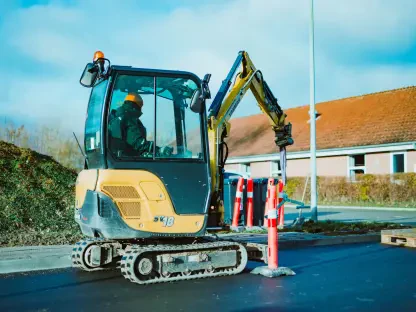
The Blythewood facility in South Carolina represents a staggering investment of 2.3 billion dollars, transforming 1,600 acres of former timberland into a sophisticated center for automotive production. Engineers and construction crews have been tasked with the monumental challenge of moving 20 million cubic meters of earth to level the site, a feat of logistics that highlights the scale of the brand’s commitment to the American South. This location was chosen for its strategic proximity to major transportation corridors and a growing ecosystem of industrial suppliers, ensuring that the supply chain remains resilient against global disruptions. The inclusion of a dedicated on-site supplier park further streamlines the assembly process, allowing for the just-in-time delivery of critical components while reducing the overall carbon footprint associated with long-distance logistics. By consolidating these resources within a single massive hub, the company has created an integrated production environment capable of adapting to the rapid shifts in consumer preferences and technological advancements that characterize the current decade.
Once the factory reaches its full operational capacity, it is designed to roll out one vehicle every 90 seconds, targeting an annual production volume of approximately 200,000 units. This high-volume output is necessary to meet the heavy demand for domestic-sized off-roaders and to ensure that the brand remains competitive against established market leaders. The factory’s layout is optimized for maximum efficiency, utilizing a linear workflow that minimizes the movement of parts and maximizes the productivity of the workforce. Every aspect of the site, from the orientation of the assembly lines to the location of the storage warehouses, has been meticulously planned to support a rapid production cycle without compromising on the precision required for heavy-duty vehicle manufacturing. This scale of production not only underscores the ambition of the Volkswagen Group but also provides a significant boost to the regional economy by creating thousands of jobs and attracting secondary industries to the surrounding area.
Product Strategy: Redefining the Rugged SUV and Pickup
The initial product lineup is centered on two flagship models that are designed to satisfy the diverse needs of American drivers: the Scout Terra pickup and the Scout Traveler SUV. Unlike many modern electric vehicles that prioritize aerodynamics and weight reduction above all else, these vehicles utilize a traditional ladder-frame chassis to provide the towing capacity and off-road durability expected in the truck segment. This engineering choice is a direct response to consumer feedback, emphasizing that a modern off-roader must still be able to perform in punishing conditions and carry heavy loads over uneven terrain. By combining this classic structural foundation with advanced electric drivetrains, the brand is offering a unique value proposition that blends the reliability of the past with the technological efficiency of the present. The result is a pair of vehicles that feel at home on suburban streets while remaining fully capable of tackling the most challenging backcountry trails found across North America.
While the primary focus remains on pure electric propulsion, the brand has developed a range-extended variant to address the concerns of drivers in areas with limited charging infrastructure. These models incorporate a small gasoline-powered engine that acts exclusively as a generator to maintain the battery’s charge, effectively eliminating range anxiety during long-distance trips or remote off-road excursions. This hybrid approach is a pragmatic solution to the current state of the national charging network, allowing the brand to reach customers who might otherwise be hesitant to transition to a fully electric platform. By offering multiple powertrain options within a rugged, high-clearance frame, the company ensures that its vehicles remain versatile and accessible to a broad spectrum of users. This flexibility in engineering reflects a deep understanding of the North American market, where utility and reliability are often more important than the pursuit of theoretical maximum range on a single charge.
Technological Innovation and Environmental Responsibility
Manufacturing Precision: Robotics and the Electric Paint Shop
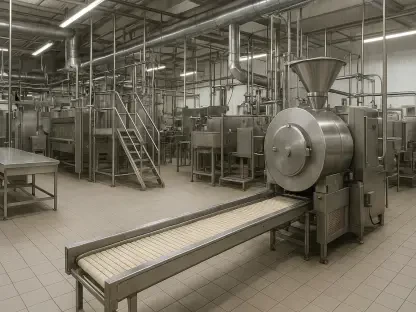
The interior of the Blythewood facility is a showcase of modern industrial automation, with the body shop alone housing 700 specialized robots that handle the heavy lifting and precise welding required for truck frames. These robotic systems are programmed to operate with sub-millimeter accuracy, ensuring that every chassis meets the high structural standards necessary for heavy-duty towing and off-road performance. The integration of such advanced technology allows for a high degree of consistency across the production line, reducing the likelihood of manual errors and increasing the overall safety of the manufacturing environment. By automating the most labor-intensive and repetitive tasks, the facility enables its human workers to focus on quality control and complex systems integration, creating a collaborative environment where technology enhances human expertise. This level of investment in robotics is essential for maintaining the production speed required to meet the brand’s ambitious delivery targets.
In a significant departure from traditional automotive manufacturing, the plant features the first all-electric paint shop in the entire Volkswagen Group. Most conventional paint shops rely on natural gas to heat the large ovens required for drying vehicle coatings, but this facility utilizes high-efficiency electric heating systems to eliminate on-site carbon emissions. This shift not only reduces the carbon footprint of the manufacturing process but also provides a more controlled and stable environment for the application of premium finishes. The use of renewable energy sources to power these systems further aligns the brand with broader corporate sustainability goals, demonstrating that large-scale industrial operations can be modernized to protect the environment. This focus on clean technology extends through the entire painting process, incorporating advanced filtration and recycling systems to minimize waste and ensure that the factory operates as a closed-loop system whenever possible.
Environmental Stewardship: Protecting the Local Hydrology
Environmental responsibility at the site is managed through a comprehensive system of water management and soil protection protocols designed to preserve the local South Carolina ecosystem. The facility employs massive industrial heat pumps to regulate the temperature of the water used in various manufacturing processes, reducing the need for traditional chemical treatments and preventing thermal pollution in local waterways. A sophisticated network of retention basins has been constructed to capture and filter rainwater, allowing it to return to the natural water table without carrying industrial pollutants or sediment. This proactive approach to hydrological management ensures that the massive footprint of the industrial hub does not disrupt the delicate balance of the surrounding wetlands and forests. By prioritizing the health of the local watershed, the company is demonstrating that heavy industry and environmental conservation can exist in harmony within the same regional framework.
To prevent the common issue of soil erosion during the construction of such a large-scale project, a strict protocol was established requiring any cleared land to be replanted within two weeks. This rapid re-vegetation strategy stabilizes the soil and provides a natural barrier against runoff, protecting the integrity of the site and the surrounding properties. The commitment to land restoration extends beyond the immediate construction phase, with plans to maintain significant green buffers around the factory to support local wildlife and provide a visual screen for the community. These measures are part of a larger strategy to integrate the facility into the local environment with minimal disruption, reflecting a corporate philosophy that values long-term stewardship over short-term industrial gain. Through these efforts, the brand is setting a new standard for how automotive companies can interact with the landscapes they inhabit, ensuring that the development leaves a positive legacy for the generations that follow.
Overcoming Logistical and Workforce Challenges
Operational Efficiency: Navigating the Industrial Buildout
The construction of the Blythewood plant has been guided by an aggressive, results-oriented philosophy that prioritizes speed and efficiency at every stage of the development. To avoid the logistical delays associated with transporting large quantities of building materials, the project team established its own concrete production facility directly on the site. This move allowed for a continuous supply of material for the massive foundations and floors required for the assembly halls, significantly reducing the timeline for the structural phase of the project. Furthermore, the use of a unique equipment-rental model ensured that any broken or malfunctioning machinery was replaced immediately, preventing the bottlenecks that often plague large-scale industrial builds. This streamlined approach to construction has allowed the project to stay on its fast-paced schedule, transforming a vacant plot of land into a sophisticated production center in a remarkably short period of time.
This focus on operational efficiency is not limited to the construction phase but is also integrated into the long-term management of the factory’s supply chain and logistics. By adopting a “can-do” culture that encourages rapid problem-solving and on-site decision-making, the project leadership has been able to navigate the complexities of building a new brand from the ground up. This agile management style is essential in an industry that is currently facing volatile material costs and shifting global trade patterns, allowing the brand to remain resilient in the face of external pressures. The ability to move from concept to production in such a compressed timeframe is a testament to the effectiveness of this localized, decentralized approach to industrial planning. As the site transitions from a construction zone to an active manufacturing center, these same principles will continue to drive the brand’s efforts to maintain high quality standards and meet the expectations of its future customers.
Industrial Resilience: Insights for Future Automotive Manufacturing
The development of the Blythewood site demonstrated the effectiveness of a vertically integrated manufacturing strategy in a highly competitive regional labor market. To address the challenge of hiring 5,000 skilled workers, the leadership successfully formed partnerships with local universities and technical colleges to build a dedicated training pipeline for the next generation of engineers. This proactive investment in human capital proved to be a critical factor in overcoming the scarcity of specialized labor, ensuring that the plant was staffed by a workforce capable of managing advanced robotics and electric propulsion systems. The strategic decision to include range-extended propulsion options also highlighted the importance of flexibility in product design, allowing the marque to remain relevant to consumers who were not yet ready to commit to a purely electric lifestyle. By prioritizing structural durability and a localized supply chain, the entity established a foundation that extended far beyond simple vehicle assembly, providing a clear roadmap for the future of specialized automotive production.
The testing phase that occurred from 2026 to 2028 allowed the brand to refine its vehicles through intense prototype evaluations and winter testing, ensuring they were prepared for the demanding North American landscape. This period of rigorous quality control verified that the ladder-frame architecture and electric systems could withstand the physical stresses of heavy-duty off-roading, cementing the brand’s reputation for reliability before the first official deliveries. Looking forward, the site was designed with the inherent capacity to double its production volume or even function as a contract manufacturer for other automotive brands within the global group. This versatility provided the marque with a significant competitive advantage, allowing it to adapt to future market expansions without the need for additional large-scale construction. Ultimately, the successful launch of the production hub served as a powerful example of how heritage can be utilized to drive modern innovation, proving that localized manufacturing remains a viable and essential component of the global automotive industry.